A Simple, Beginner-Friendly Reset to Reduce Inflammation, Boost Energy, and Support Whole-Body Health
If you’ve been dealing with joint pain, fatigue, brain fog, or digestive issues, you’ve probably heard that inflammation might be playing a role. And here’s the good news: what you eat can make a real difference in how you feel.
I know starting a new way of eating can feel overwhelming. I see this all the time with clients, and honestly, I’ve been there myself. That’s why I created this beginner-friendly 14-day guide that won’t leave you feeling deprived or confused. Think of this as a gentle reset, not a rigid plan. You’re learning how to eat in a way that supports your body’s natural healing processes, without perfection required.
What Is Inflammation?
Before we dive in, let’s talk about inflammation. Inflammation isn’t always a bad thing. It’s your body’s natural response to injury or infection. When you cut your finger, and it gets red and swollen, that’s acute inflammation doing exactly what it’s supposed to do.
Chronic inflammation and too much inflammation is different. Chronic inflammation more like a low-grade fire that never fully goes out. Over time, it can contribute to joint pain, heart disease, autoimmune conditions, digestive issues, mood changes, and even depression. The foods we eat can either keep that fire burning or help calm things down.
The Beautiful Thing About Anti-Inflammatory Eating
Here’s what I love about this approach: it’s not about restriction. It’s about abundance. You’re not “going on a diet.” You’re adding in more of the foods that support energy, digestion, and overall health.
This way of eating is flexible, nourishing, and sustainable, which is exactly why it works so well for beginners.
What You’ll Be Eating (The Good Stuff!)
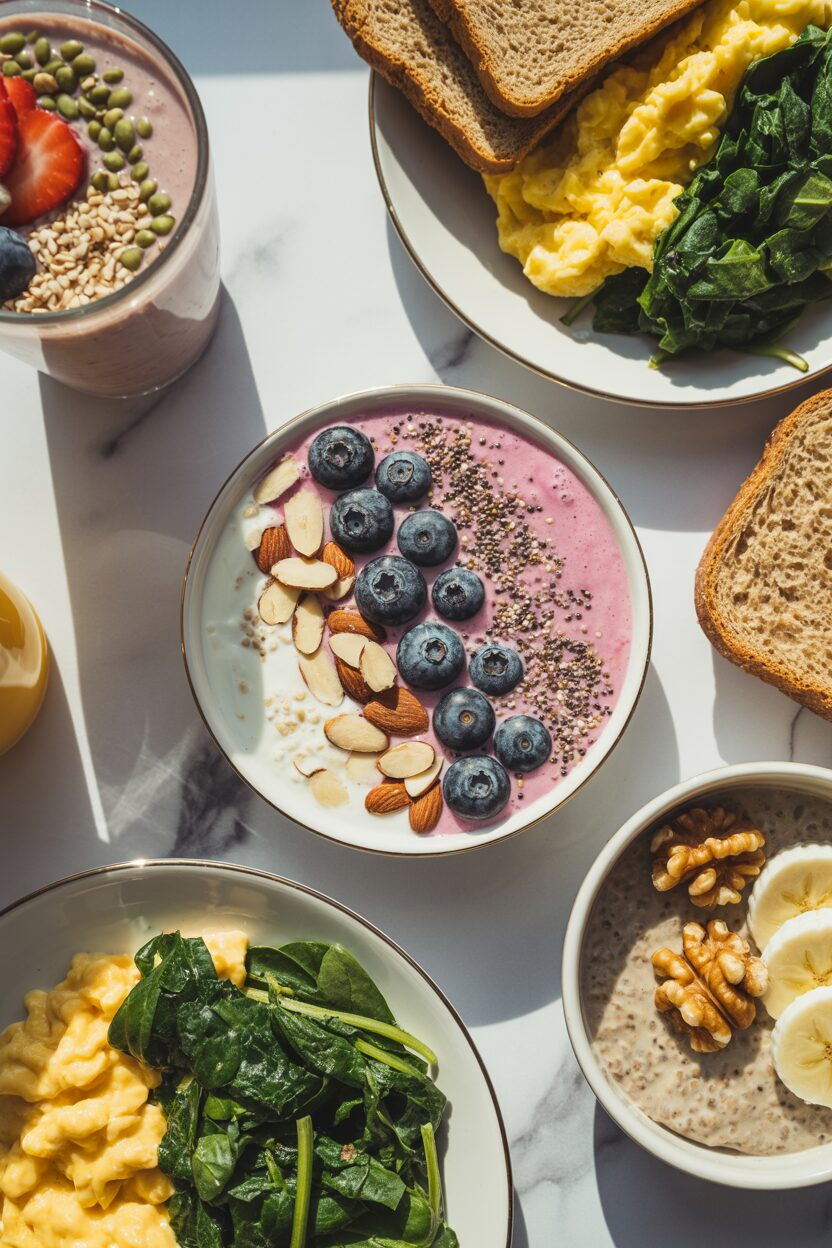
Anti-inflammatory eating looks colorful, satisfying, and honestly pretty delicious.

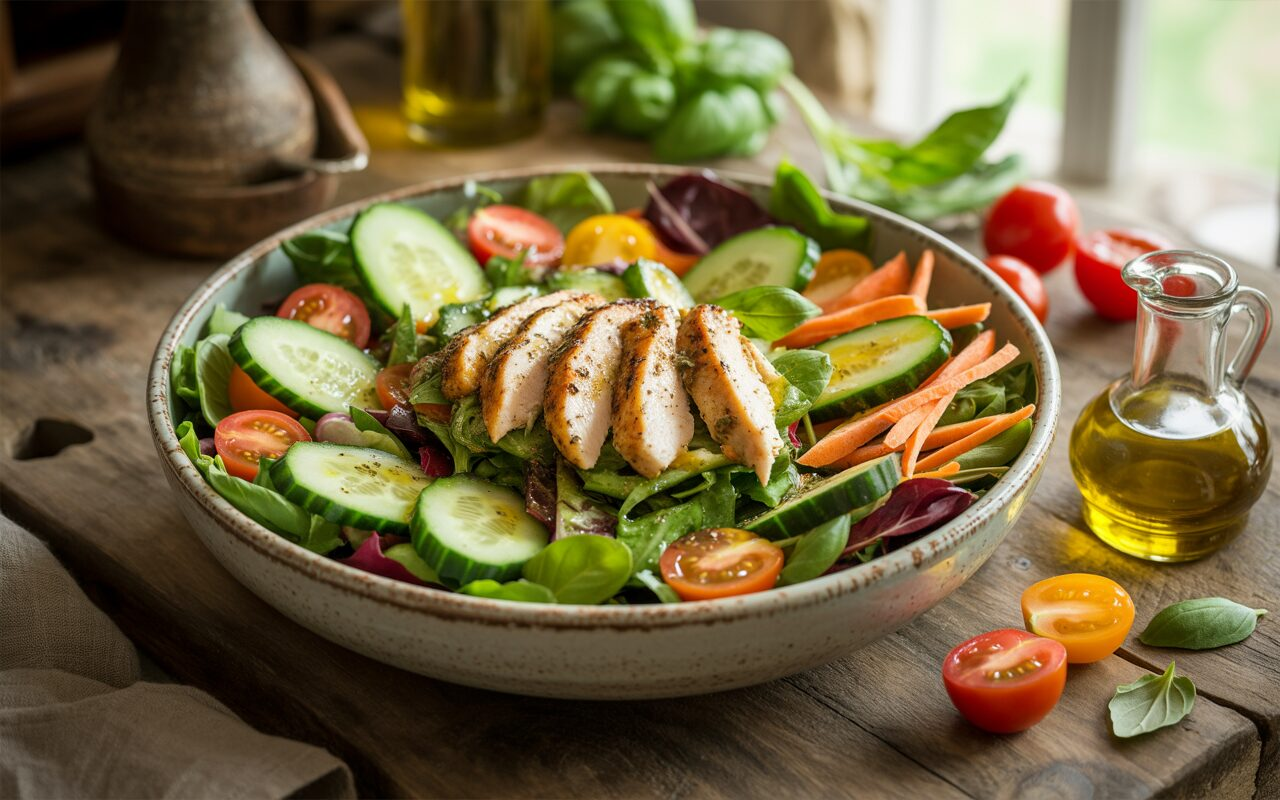
Colorful fruits and vegetables become your foundation. Think berries rich in antioxidants, leafy greens packed with nutrients, and orange and red vegetables full of protective compounds. The more color variety on your plate, the better.
Healthy fats are essential here. Fatty fish like salmon, sardines, and mackerel provide omega-3s that actively reduce inflammation. Avocados, extra virgin olive oil, nuts, and seeds are encouraged, not avoided.
Shop: high-quality extra virgin olive oil, wild-caught canned salmon, chia seeds, flaxseeds.
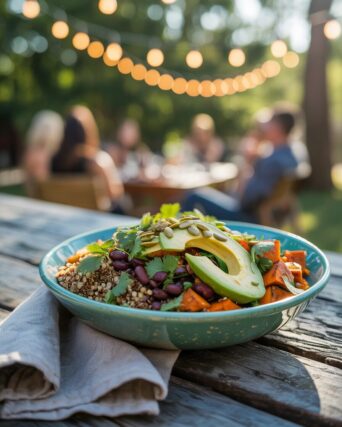
Whole grains like quinoa, brown rice, and oats provide fiber that supports gut health. A healthier gut often means lower inflammation throughout the body.
Shop: organic quinoa, gluten-free oats, brown rice blends.
Herbs and spices are your secret weapons. Turmeric, ginger, garlic, and cinnamon don’t just add flavor, they have real anti-inflammatory benefits backed by research.
Shop: turmeric with black pepper, ground ginger, and cinnamon.
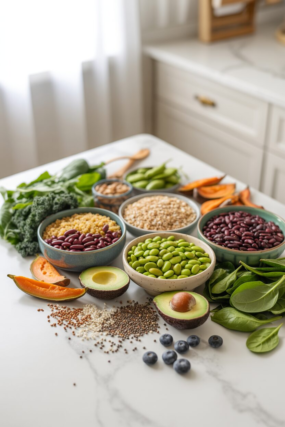
Legumes and beans offer plant-based protein, fiber, and antioxidants. They’re affordable, filling, and incredibly versatile.
Shop: organic canned beans, lentils, chickpeas.
What We’re Minimizing (Not Eliminating Forever!)
For these 14 days, we’re gently reducing foods that tend to promote inflammation.
Processed foods and refined sugars are the big ones. That includes packaged snacks, sugary drinks, and highly processed convenience foods.
Refined grains like white bread and regular pasta can spike blood sugar and increase inflammatory responses.
Excessive red meat and processed meats are linked to higher inflammation, so the focus shifts toward fish, poultry, and plant-based proteins.
Trans fats and highly processed vegetable oils are found in many fried and packaged foods.
Alcohol can be inflammatory, especially in larger amounts, so this plan takes a short break from it.
Your 14-Day Anti-Inflammatory Menu Plan
This plan is meant to be doable, not overwhelming. Swap similar foods as needed. This is a guide, not a rulebook.
Week 1
Day 1
Breakfast: Oatmeal with blueberries, walnuts, and cinnamon
Lunch: Spinach salad with grilled chicken, tomatoes, cucumbers, avocado, olive oil and lemon
Dinner: Baked salmon with roasted Brussels sprouts and sweet potato
Snacks: Apple with almond butter, raw almonds
Shop: gluten-free oats, almond butter, olive oil
Day 2
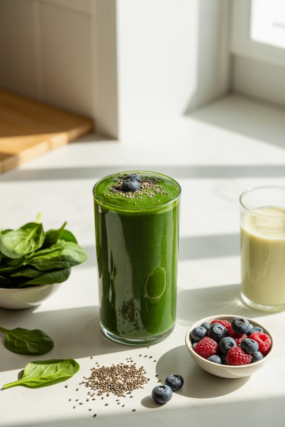
Breakfast: Green smoothie with spinach, banana, berries, almond milk, chia seeds
Lunch: Quinoa bowl with black beans, roasted peppers, kale, tahini
Dinner: Turkey meatballs with zucchini noodles and no-sugar-added marinara
Snacks: Carrots with hummus, fresh berries
Shop: chia seeds, tahini, spiralizer, clean marinara sauce
Day 3
Breakfast: Scrambled eggs with spinach and mushrooms, berries
Lunch: Lentil soup with mixed green salad
Dinner: Grilled chicken with roasted broccoli and brown rice
Snacks: Celery with almond butter, orange slices
Day 4
Breakfast: Chia pudding with almond milk, strawberries, hemp seeds
Lunch: Mediterranean chickpea salad with olive oil
Dinner: Baked cod with asparagus and cauliflower rice
Snacks: Mixed nuts, bell peppers with guacamole
Shop: hemp seeds, canned chickpeas, cauliflower rice
Day 5
Breakfast: Steel-cut oats with grated apple, cinnamon, pecans
Lunch: Turkey and avocado lettuce wraps with vegetable soup
Dinner: Shrimp stir-fry with quinoa and ginger-garlic sauce
Snacks: Unsweetened Greek yogurt with berries
Shop: steel-cut oats, frozen shrimp, Greek yogurt
Day 6
Breakfast: Veggie omelet with fruit
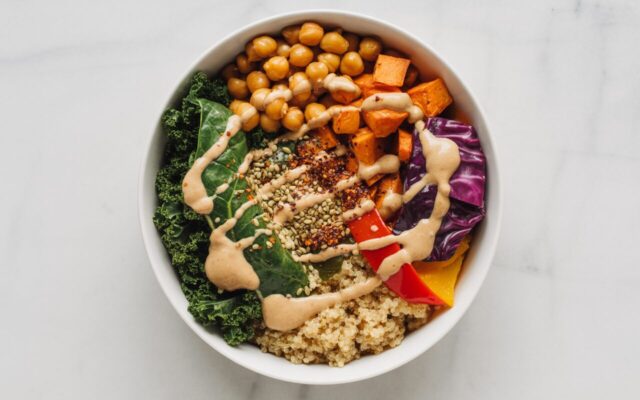
Lunch: Buddha bowl with roasted sweet potato, chickpeas, kale
Dinner: Grilled salmon with green beans and wild rice
Snacks: Walnuts, cherry tomatoes
Day 7
Breakfast: Smoothie bowl with berries, almond milk, chia seeds
Lunch: Salad with grilled chicken, beets, walnuts
Dinner: Baked chicken thighs with rainbow carrots and quinoa
Snacks: Apple with cashew butter
Shop: cashew butter, quinoa
Week 2
Day 8
Breakfast: Overnight oats with almond milk, raspberries, ground flaxseed, and almond butter
Lunch: Tuna salad made with olive oil over mixed greens with avocado and tomatoes
Dinner: Turkey chili with kidney beans, tomatoes, onions, and peppers, served over cauliflower rice
Snacks: Fresh berries, sliced cucumbers with hummus
Day 9
Breakfast: Scrambled eggs with sautéed kale and cherry tomatoes, side of mixed berries
Lunch: Lentil and vegetable stew with a side salad and olive oil vinaigrette
Dinner: Baked trout with roasted Brussels sprouts and sweet potato wedges
Snacks: Pear slices, handful of mixed nuts
Day 10
Breakfast: Green smoothie with kale, pineapple, ginger, coconut water, and hemp seeds
Lunch: Quinoa salad with edamame, shredded carrots, red cabbage, and sesame-ginger dressing
Dinner: Grilled chicken with roasted cauliflower and brown rice pilaf
Snacks: Celery with sunflower seed butter, fresh berries
Day 11
Breakfast: Unsweetened Greek yogurt with mixed berries, walnuts, and a drizzle of honey
Lunch: Black bean and vegetable soup with a side of mixed greens
Dinner: Baked salmon with roasted zucchini and quinoa
Snacks: Apple slices with almond butter, baby carrots
Day 12
Breakfast: Vegetable frittata with mushrooms, peppers, and onions, side of fresh fruit
Lunch: Grilled chicken salad with strawberries, pecans, and balsamic vinaigrette
Dinner: Shrimp and vegetable curry made with coconut milk, served over cauliflower rice
Snacks: Handful of cashews, bell pepper slices with guacamole
Day 13
Breakfast: Steel-cut oats with blueberries, ground flaxseed, and cinnamon
Lunch: Chickpea and spinach stew with a side of mixed greens
Dinner: Grilled chicken with roasted sweet potato and green beans
Snacks: Orange slices, raw almonds
Day 14
Breakfast: Smoothie with berries, spinach, avocado, almond milk, and chia seeds
Lunch: Large Mediterranean salad with grilled fish, olives, cucumbers, tomatoes, and olive oil
Dinner: Baked cod with roasted rainbow vegetables and quinoa
Snacks: Fresh berries, veggie sticks with hummus
Quick Tips for Success
Prep proteins on Sunday so they’re ready all week
Wash and chop vegetables ahead of time
Cook a big batch of quinoa or brown rice
Double soups and stews for leftovers
Keep hard-boiled eggs on hand for easy protein
Shop: glass meal prep containers, sheet pans, storage containers.
Practical Tips to Make This Work in Real Life
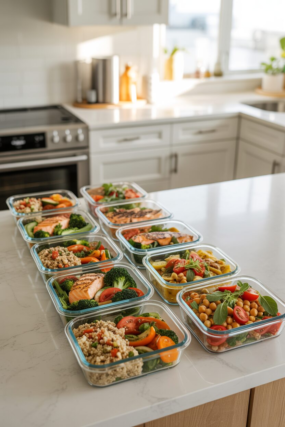
Prep like a pro. Even one hour on Sunday makes weekdays dramatically easier.
Keep it simple. You don’t need complicated recipes for this to work.
Read labels. Short ingredient lists are your friend.
Stay hydrated. Water and green tea both support inflammation balance.
Don’t aim for perfection. One meal never makes or breaks your progress.
What You Might Notice
Many people notice better energy within the first week. Others feel less joint stiffness, fewer headaches, improved digestion, or better sleep. These changes are valuable clues. Pay attention to how your body responds.
After the 14 Days: What Next?
These two weeks aren’t meant to be a temporary fix. They’re a learning phase. You’ll start to notice which foods support you and which ones don’t feel so great.
From there, you can continue what works and slowly reintroduce foods one at a time. This becomes your personalized anti-inflammatory approach, not a one-size-fits-all plan.
You’ve Got This
Starting something new takes courage, and I’m really proud of you for taking this step. This isn’t about being perfect. It’s about progress, consistency, and listening to your body.
If you try this, I’d love to hear how it goes. What feels better? What meals do you love? Drop a comment and let’s support each other.
Here’s to less inflammation and more vitality.
Want more personalized support?
If you’re dealing with ongoing inflammation, digestive issues, or low energy and want a plan tailored to you, I offer 1:1 nutrition coaching where we look at food, lifestyle, and root causes together. You can learn more about working with me [here].
As always, if you have medical conditions or concerns, talk with your healthcare provider before making significant dietary changes. This information is educational and not a substitute for personalized medical care.
This post contains affiliate links. If you choose to purchase through them, I may earn a small commission at no extra cost to you. I only recommend products I personally use or trust.