Skip to content
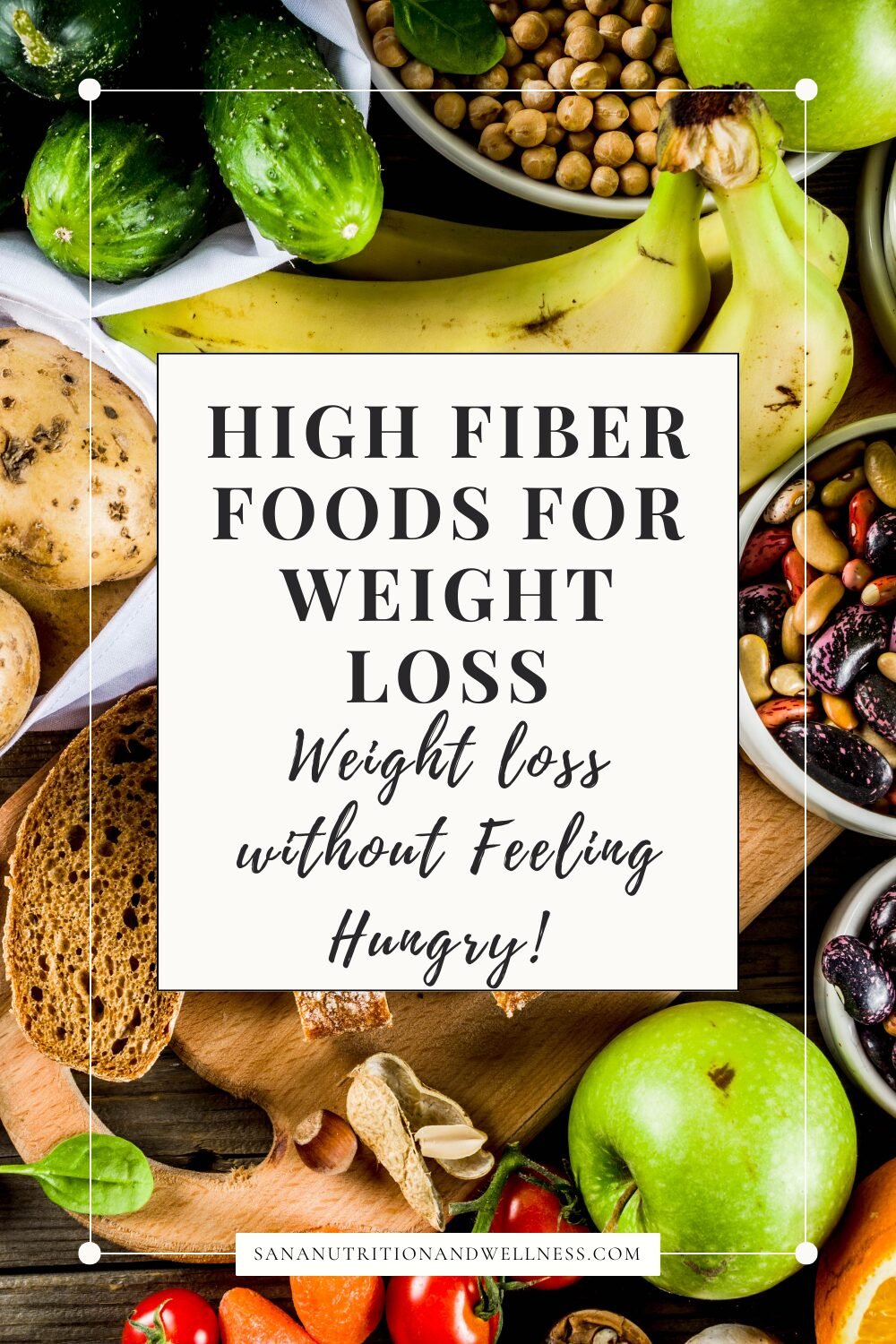
A simple, gut-friendly guide to reaching 30 grams of fiber a day without the bloating, cramping, or GI chaos.
If you’ve ever tried to follow a “high-fiber diet” and ended up bloated, gassy, and questioning your life choices, you are absolutely not alone. I talk to so many clients who want to eat healthier, want to improve digestion, want the benefits of fiber for weight loss, but feel stuck because every time they load up on fiber-rich foods, their gut revolts.
And here’s the kicker. Most people don’t realize that fiber isn’t the problem.
A sensitive or inflamed gut is the problem.
Fiber is supposed to make digestion better, not worse. So when someone reacts to high fiber foods for digestive health, that’s usually a sign that the gut ecosystem needs a little TLC before it can handle the good stuff.
This post is your guide to hitting 30 grams of fiber a day, supporting weight loss, balancing your blood sugar, and keeping your gut microbiome happy without the bloating, cramping, or gas that makes you regret your choices. We’re covering gentle strategies, food lists, examples, and the real talk that most health sites tiptoe around.
First Things First: Fiber Comes From Plants, Period
Let’s clear up one common misconception.
Fiber only comes from plants.
Not meat, not chicken, not eggs, not dairy. Not bone broth. Not your uncle’s favorite carnivore diet. Plants are the only source of the fiber we need for digestive health, weight loss, metabolic balance, and gut microbiome diversity.
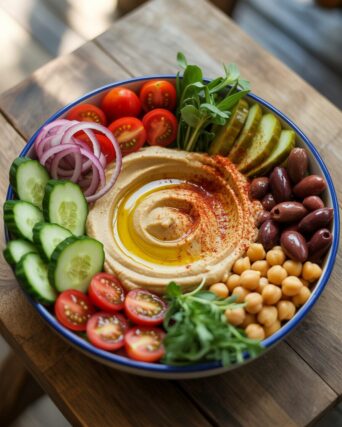
You do not need to be vegan or vegetarian to eat a high fiber plant-based diet. You just need to include fruits, vegetables, whole grains, legumes, nuts, seeds, and fiber-enriched foods consistently. Even small amounts count.
So if you’ve ever wondered why carnivore influencers talk a lot about feeling “lean” but not a lot about their bowel movements… now you know.
Why High-Fiber Foods Can Feel Miserable When Your Gut Is Unhealthy
Fiber itself is rarely the villain. More often, the gut lining is irritated, the microbiome is imbalanced, or digestion is compromised. When that’s happening, even “healthy” foods like high-fiber fruits and vegetables can feel overwhelming.
Here’s what’s going on inside the GI tract:
1. The gut bacteria ferment fiber
This process is totally normal and essential for gut health. The byproduct? Gas.
Some gas is normal. Truly. Everyone has it. Every single person you know. This is your gut bacteria doing their job.
But what’s not normal?
- Painful gas that makes you double over
- Extreme bloating that lasts hours
- Very smelly gas that could honestly raise eyebrows
- Pressure or distention after every meal
- Bloating that gets worse throughout the day
These are red flags that something in the gut isn’t where it should be.
2. The gut lining might be inflamed
When the lining is irritated, even gentle fiber foods like oats or bananas can feel like too much. The goal is not to avoid these foods forever, but to rebuild tolerance step by step.
3. The microbiome may be unbalanced
Certain bacteria love certain fibers. If your gut is missing the strains that digest beans or cruciferous vegetables, guess what? Those foods will sit and ferment… and ferment… and well, you get the picture.
This is why someone can eat broccoli and feel totally fine, while another person feels like they swallowed a basketball.

What “Normal Gas” Looks Like vs “Something Ain’t Right”
I tell clients this all the time, and I want you to hear it too.
Some gas is normal. Everyone has gas.
But extreme gas, painful bloating, or very smelly gas is not normal.
Normal:
- A little gas after a fiber packed foods meal
- Mild bloating that goes away within 30 to 60 minutes
- Passing gas that doesn’t smell like something died inside you
Not normal:
- Intense pressure in the abdomen
- Painful bloating that disrupts your day
- Gas that wakes you up at night
- Gas so smelly you’re questioning your ancestry
- “Food baby” that lasts all day
When someone tells me their gas is intense or their bloating is relentless, that tells me the gut isn’t breaking down fiber properly. And that’s what we want to fix.
Your Long-Term Goal: A Liberal, Flexible Diet
Unless you have an allergy or a true medical condition, you should be able to tolerate:
- high fiber fruits and vegetables
- legumes and beans
- nuts and seeds
- whole grains
- high protein high fiber foods
- fiber-rich foods for weight loss and metabolic health
My whole philosophy is helping people expand what they can eat, not shrink their diet into oblivion. You deserve to eat real food without fear.
Getting there takes time, baby steps, and the right strategies.
Let’s get you to your daily 30 grams of fiber without the misery.

Soluble Fiber vs Insoluble Fiber: Your Gut Will Have Preferences
I promise this won’t be a boring science lecture. Just the basics so you can eat smarter.
Soluble Fiber (gentle, gel-like, soothing)
This fiber absorbs water and slows digestion. It feeds beneficial bacteria in a way that’s generally gentle for a sensitive gut.
Found in:
- Oats
- Chia seeds
- Flax meal
- Apples
- Pears
- Bananas
- Beans and lentils
- Sweet potatoes
- Pumpkin
This is where most people should start on a gut healing journey.
Insoluble Fiber (roughage, speeds things up)
This type adds bulk and moves things along. It’s essential but can feel abrasive when your gut isn’t happy.
Found in:
- Nuts
- Seeds
- Whole grains
- Raw vegetables
- Cruciferous veggies
- Fruit and veggie skins
Think of insoluble fiber like the exfoliant of your GI tract. Wonderful if used correctly. Not great if your gut barrier is irritated.
How to Hit 30 Grams of Fiber a Day Without Bloating or Gas
Time for the real-life tips that save your gut, your sanity, and your social life.
1. Start low, go slow
The biggest mistake people make is going from 10 grams of fiber per day to 30 overnight. That’s… bold. And painful.
Instead, add one new fiber rich food every three to four days.
Your gut will tell you quickly which foods feel good and which ones need to wait.
2. Drink water like it’s your job
Fiber without water is like trying to run a slip-and-slide with no soap.
Aim for at least half your body weight in ounces per day.
More fiber equals more hydration.
3. Cook your vegetables
Yes, raw vegetables are a vibe. But if you’re bloated all the time, switch to cooked.
This includes:
- roasted carrots
- sautéed zucchini
- boiled sweet potatoes
- steamed spinach
- baked pumpkin
Cooking softens the fibers and makes them easier to digest while still giving you the benefits of high fiber fruits and vegetables.
4. Space out your fiber intake
Instead of a 20-gram fiber breakfast bomb, try spreading it evenly throughout the day.
Example:
- Breakfast: 8 grams
- Lunch: 10 grams
- Snack: 5 grams
- Dinner: 7 grams
Way easier on digestion.
5. Choose gentle fiber sources early on
These are great for people with sensitive guts or IBS-type symptoms:
- oats
- chia seeds
- flax meal
- cooked zucchini
- blueberries
- kiwi
- bananas
- sweet potatoes
- avocado
- cooked carrots
- lentils (in very small amounts)
These are some of the best high fiber foods for digestive health because they contain more soluble fiber and antioxidants.
6. Pair fiber with protein and healthy fats
This stabilizes digestion and helps with weight loss.
Examples of high protein high fiber foods or combos:
- Greek yogurt with berries and chia
- Oatmeal with flax and protein powder
- Quinoa bowls with sweet potatoes and salmon
- Beans with avocado and chicken
- Pear with almond butter
A high protein high fiber diet for weight loss works beautifully because it keeps you full and keeps digestion steady.
7. Consider a probiotic (but not right away)
A good probiotic can sometimes help with bloating once your gut is a little more stable. Remember, when you increase fiber, you’re giving your GI microbes a lot more food to work with. That’s great when everything is balanced, but if your gut is irritated or your microbes are out of sync, it can ramp up gas and symptoms instead of helping.
This is why probiotics can feel amazing for some people and miserable for others. If the underlying issue is something like SIBO, adding more bacteria can actually make symptoms worse. You can always test the waters if your practitioner agrees, but if a probiotic makes you more bloated or uncomfortable, that’s usually your sign to pause, focus on healing, and come back to a broad-spectrum probiotic later.
If you’re still dealing with daily bloating or discomfort, your priority is calming and balancing the gut environment first. Once things settle, then you can try adding a probiotic supplement without stirring up extra GI drama.
A Gentle, Gut-Friendly 30-Gram Fiber Day (Sample Menu)
Breakfast: 10–12 grams
Oatmeal with:
- chia seeds
- blueberries
- a scoop of protein powder
Lunch: 10–12 grams
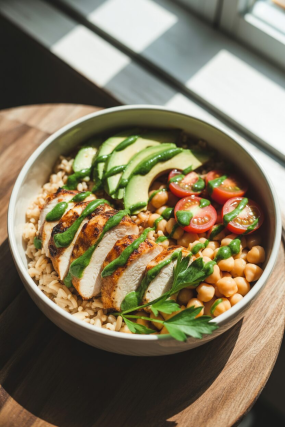
Quinoa bowl with:
- roasted sweet potatoes
- spinach
- chickpeas (small amount if sensitive)
- avocado
Snack: 5–6 grams
A pear or apple with almond butter
Dinner: 4–5 grams
Rice with salmon or chicken and roasted carrots or zucchini
This keeps things simple, gentle, and actually satisfying.
High-Fiber Foods That Are Easier on a Sensitive Gut
These are your “starter fibers” if you’re trying to avoid gas and bloating:
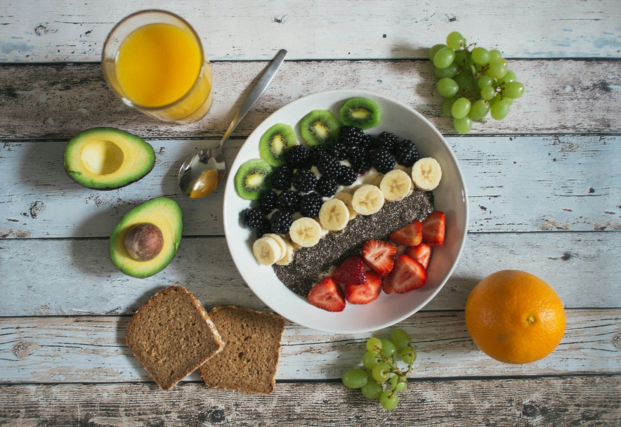
- blueberries
- strawberries
- kiwi
- ripe bananas
- oats
- chia seeds
- flax meal
- pumpkin
- sweet potatoes
- avocado
- cooked carrots
- cooked squash
- lentils (very small amounts)
These foods deliver plenty of fiber enriched foods benefits without overloading your system.
High-Fiber Foods That May Cause More Symptoms (Save These for Later)
These foods are amazing for health and weight loss, but they can be intense on an irritated gut:
- broccoli
- cauliflower
- Brussels sprouts
- cabbage
- beans (especially black beans and chickpeas)
- whole grains
- raw vegetables
- onions and garlic
- nuts and seeds in bigger quantities
Your long-term goal is to be able to eat all of these on a high fiber plant-based diet. But don’t rush it. Build tolerance slowly so you don’t end up avoiding them forever.
The Benefits of Hitting 30 Grams of Fiber (When Your Gut Can Handle It)
Once your gut can tolerate a variety of fruits high in fiber, fiber packed foods, and high protein high fiber diet options, everything gets easier:
- weight loss becomes more natural
- cravings drop
- blood sugar stays stable
- digestion regulates
- gut bacteria thrive
- inflammation improves
- hormones balance more easily
- you feel full longer
This is why good fiber foods for weight loss show up in almost every evidence-based diet pattern.
Fiber supports metabolic health in a huge way, especially in women.
When Fiber Sensitivity Means Something Else Is Going On
If even gentle high fiber foods cause symptoms and they aren’t imporve with a slow onset, that’s when we zoom out and look deeper.
Conditions to rule out include:
- SIBO
- dysbiosis
- low stomach acid
- food sensitivities
- Chronic inflammation
- slow motility
- chronic stress affecting digestion
If your gas is intense, smelly, or painful, or if bloating is your daily companion, it’s not that you “can’t eat fiber.” It’s that something needs support.
This is where stool testing or a gut healing protocol can make a huge difference. Once the gut is healthier, your fiber tolerance opens up dramatically.
Final Thoughts: Fiber Isn’t the Enemy, Your Gut Just Needs a Plan
Fiber is powerful. It supports digestive health, weight loss, gut bacteria, hormones, blood sugar, and long-term well-being. But the way you reintroduce it matters.
A healthy gut can handle a wide variety of fiber heavy foods without drama. A sensitive gut needs a slow build. And you, by the way, deserve a digestive system that lets you enjoy all the high fiber fruits and vegetables, all the fiber rich foods for weight loss, and all the fiber packed foods without thinking twice.
Start low. Go slow. Cook your veggies. Drink your water. And remember that a little gas is normal, but anything extreme, painful, or intensely smelly is your gut politely asking for help.
Nutrition Counseling & Wellness Coaching
If you’re reading this and thinking, “Okay, my gut is definitely not happy,” you don’t have to figure it out alone. This is exactly the kind of work I do with my clients. I help you understand what’s really going on in your gut, rebuild your fiber tolerance, reduce inflammation, and create a plan that actually fits your life. If you want more support or you’re curious about working together, you can learn more about my nutrition services here. I’d love to help you feel better in your body again. Contact me about Working together!