How your plate can help your peace of mind—plus lifestyle and supplement support to chill out naturally
Anxiety. It’s the WORST.
It can hijack your whole day, crash a fun party, or totally steal the joy from something you were really looking forward to. One minute you’re fine, and the next? Your mind is racing, you’re spiraling into worst-case scenarios, and suddenly your heart’s pounding, and it feels impossible to catch a deep breath. Yep, that’s anxiety—and it’s not just in your head.
What you eat (or don’t eat) can actually turn the dial up or down on those anxious feelings.
I see it all the time with my clients. What they eat, especially the health of their gut, makes a huge difference in how resilient they are to stress. Food is powerful. It’s not a magic fix, but it can be a total game-changer for your mood. The right nutrients help stabilize blood sugar, support the gut-brain connection, and promote the production of calming neurotransmitters like serotonin and GABA.
And as someone who tends to be a little more anxious myself, I’m especially focused on what I can do to calm my nervous system, so I can manage my thoughts instead of letting them manage me.
So let’s dive into the anti-anxiety diet: what to eat, what to skip, which supplements might help, and some realistic lifestyle habits to help bring your nervous system back to chill.
This post contains affiliate links, which means I may earn a small commission if you make a purchase through these links, at no extra cost to you. Thank you for supporting my work!
1. Blood Sugar Balance
Let’s start with the basics. If your blood sugar is on a rollercoaster, your mood will be too. Blood sugar crashes (hello, hanger) can trigger cortisol and adrenaline spikes, which mimic anxiety. No bueno.
Eat this:
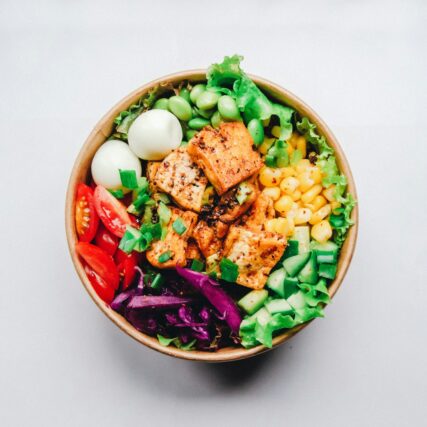
- Protein with every meal: Think eggs, turkey, chicken, lentils, Greek yogurt, or tofu. Protein slows digestion and helps keep blood sugar stable.
- Healthy fats: Avocados, nuts, seeds, olive oil, and fatty fish like salmon help slow absorption and keep your brain fueled.
- Fiber-rich carbs: Choose whole-food carbs like sweet potatoes, oats, berries, beans, and quinoa. They provide steady energy and feed your gut bugs (more on that below).
Avoid this:
- Skipping meals (especially breakfast)
- Sugary coffee drinks, refined carbs, and processed snacks that lead to big spikes and crashes
👉 Quick tip: If you tend to get anxious mid-morning or late afternoon, look at your meals and snacks. Are you going too long without eating or relying on caffeine and carbs alone?
2. Nutrients That Support a Calm Brain
Certain nutrients directly support your brain’s ability to regulate mood and stress. Here are a few MVPs:
🍳 Magnesium
Magnesium is a natural relaxer. It helps regulate the HPA axis (your stress response system) and supports GABA, a calming neurotransmitter. Most of us are low in it.
- Foods rich in magnesium: Pumpkin seeds, spinach, black beans, almonds, dark chocolate (yes!), and avocado
- Supplement: Magnesium glycinate or magnesium threonate (200–400 mg at night) are great for calming without the brain and nervous system
🥚 B Vitamins (especially B6, B12, and folate)
These are critical for neurotransmitter production (like serotonin and dopamine) and for detoxifying stress hormones.
- Foods: Eggs, leafy greens, legumes, grass-fed meat, wild salmon, and nutritional yeast
- Supplement: A high-quality B-complex can be helpful, especially if you’re vegan/vegetarian or under a lot of stress. I really like Thorne’s Products because they have methylated B vitamins. Find them at Amazon or Thorne Website (often cheaper at Thorne)
🐟 Omega-3 Fatty Acids
EPA and DHA (found in fatty fish) reduce inflammation and have been shown to improve mood and reduce anxiety symptoms.
- Eat more: Salmon, sardines, mackerel, and anchovies (aim for 2-3 servings/week)
- Supplement: Look for a high-quality fish oil with at least 1-3g combined EPA/DHA (always talk to your health care provider before adding a supplement). Here are some of my favorites from Amazon, Ritual or Thorne.
🍓 Antioxidants + Polyphenols
Oxidative stress and inflammation can fuel anxiety. Antioxidants help put out the fire.
- Foods: Berries, beets, green tea, dark leafy greens, turmeric, and extra virgin olive oil
🍓 L-Theanine
L-Theaine is an amino acid primarily found in tea leaves, particularly green, black, and white tea, as well as in some mushrooms. Studies suggest that L-theanine may help reduce stress and anxiety and improve sleep by potentially increasing levels of calming neurotransmitters like GABA, serotonin, and dopamine in the brain.
- Eat more: Green tea, Black tea, White tea, Matcha, Shiitake mushrooms, and Maitake mushrooms.
- Supplement: Look for a high-quality L-theanine supplement. Recommendations are for taking around 200mg/day (always talk to your health care provider before adding any new supplements) . I like the supplements from Ritual HERE or Thorne HERE or you can find Ritual and Thorne on Amazon
3. Your Gut, Your Mood
Your gut and brain are constantly communicating through the gut-brain axis. A healthy gut supports a healthy mood. Dysbiosis (an imbalance in gut bacteria) or leaky gut can lead to more inflammation, less serotonin production, and, you guessed it, more anxiety.
Feed your gut:
- Fermented foods: Yogurt, kefir, sauerkraut, kimchi, and miso (start slow if you’re new to these)
- Prebiotic foods: Garlic, onions, leeks, bananas, oats, asparagus
- Diverse plant-based foods: Aim for 20–30 different plants a week
Consider:
- Probiotic supplement: A targeted probiotic (like one containing Lactobacillus rhamnosus or Bifidobacterium longum) may help regulate mood
- Digestive support: If you struggle with bloating or irregularity, consider working with a practitioner to look deeper (especially if anxiety + gut issues go hand-in-hand for you)
- Get to the Root Cause of your gut and inflammation issues with a GI Map Test and Consult

4. What to Limit (aka The Mood Saboteurs)
While adding in the right foods is key, reducing some of the more inflammatory or stress-inducing ones helps too.
Caffeine
Too much caffeine can mimic anxiety symptoms: racing heart, jitteriness, and shallow breathing. If you’re anxious, consider cutting back or switching to green tea, which has calming L-theanine.
Alcohol
It may feel relaxing in the moment, but alcohol disrupts sleep, impacts neurotransmitters, and can make anxiety worse the next day. If you drink, stick to 1–2 and hydrate well.
Sugar + Ultra-processed foods
These can spike inflammation and blood sugar, and tank your mood. No need to be perfect, but keep them occasional and pair them with protein or fat when possible.
5. Calming Supplements to Consider
These are not a substitute for food, but they can be helpful tools, especially during stressful seasons.
- Magnesium glycinate: Calms the nervous system and supports sleep
- L-theanine: Found in green tea, promotes calm focus without drowsiness (great with or instead of caffeine)
- Ashwagandha: An adaptogen that helps your body adapt to stress (choose a high-quality root extract, like KSM-66)
- GABA: Some people find sublingual GABA helpful for acute anxiety, though it doesn’t cross the blood-brain barrier well in supplement form
- Rhodiola rosea: May help with physical and mental fatigue from chronic stress
- Omega-3 Fatty Acid: Reduces overall inflammation
Always check with your healthcare provider before starting something new, especially if you’re on medication or pregnant.
6. Lifestyle Habits That Support a Calm Nervous System
Food is foundational, but lifestyle habits pull it all together. A few that matter more than you think:
💤 Sleep
Poor sleep raises cortisol and lowers your ability to regulate emotions. Aim for 7–9 hours, keep a wind-down routine, and limit screens at night.
🧘♀️ Nervous System Regulation
- Breathwork: Try box breathing (inhale 4, hold 4, exhale 4, hold 4)
- Cold exposure: A splash of cold water on your face can help reset your stress response
- Movement: Walking, stretching, or dancing helps burn off adrenaline and release mood-boosting endorphins
☀️ Sunlight + Nature
Getting outside in the morning helps support your circadian rhythm and serotonin production. Bonus points if you touch grass. Seriously.
🧠 Mental Hygiene
- Set boundaries with the news and social media
- Practice gratitude or journaling
- Talk to someone, therapist, a coach, or a friend
Let’s Wrap It Up
Anxiety is complex, and it’s not all in your diet, but your plate can absolutely make a difference. Nourishing your body with calming, nutrient-dense foods, balancing your blood sugar, and supporting your gut can go a long way toward helping you feel more grounded and less reactive.
And when you pair those changes with simple lifestyle shifts, like better sleep, gentle movement, and nervous system support, you’re giving your mind and body the tools they need to handle stress with more resilience.
Remember: This isn’t about being perfect. It’s about creating a daily rhythm that supports your calm. One nourishing meal, one deep breath, one step outside at a time.
P.S. Want help making this way of eating work for your real life? I work one-on-one with women to create personalized nutrition and lifestyle plans that support their mood, energy, and long-term wellness. Learn more here and reach out anytime! I’d love to help!