
A Simple Anti-Inflammatory Diet Plan to Reduce Inflammation Naturally and Support Long-Term Health
If your body’s been feeling a little sluggish lately, maybe you’re puffy, tired, or dealing with mysterious aches, it could be inflammation quietly stirring things up behind the scenes. The good news? You don’t need a complicated cleanse or an expensive detox to turn things around. A simple anti-inflammatory diet can help your body reset, reduce inflammation naturally, and get you feeling like yourself again.
With the “back-to-routine” season in full swing, now is the perfect time to give your body a little love. So let’s break it all down — what inflammation actually is, how an inflammation diet plan works, what to eat (and what to skip), and how to make it easy enough to actually stick with.

What Exactly Is Inflammation?
Inflammation gets a bad rap, but it’s actually your body’s natural defense system. When you get a cut, your immune system sends out a rush of white blood cells to protect and heal the area. That’s acute inflammation, and it’s a good thing.
The trouble starts when inflammation becomes chronic — quietly simmering in the background all the time. Chronic inflammation has been linked to everything from fatigue and digestive issues to Type 2 Diabetes, Heart Disease, and Alzheimer’s Disease.
And while stress, sleep, and environment play a role, your daily diet is one of the biggest drivers of chronic inflammation. That’s where a low-inflammation diet comes in.
How an Anti-Inflammatory Diet Works
The goal of an anti-inflammatory diet isn’t to cut out entire food groups or eat nothing but kale. (Promise.) It’s simply about crowding your plate with foods that calm inflammation and cutting back on the ones that fan the flames.
Here’s the gist:
Eat more of these:
- Colorful fruits and veggies (antioxidants help tame inflammation)
- Omega-3-rich foods like salmon, chia seeds, flax, and walnuts
- Whole grains like oats, brown rice, and quinoa
- Beans, lentils, and other plant-based proteins
- Herbs and spices like turmeric, ginger, cinnamon, garlic
- Healthy fats from olive oil, avocado, nuts, and seeds
Eat less of these:
- Processed foods (think chips, packaged snacks, frozen dinners)
- Refined carbs (white bread, pastries, sugary cereals)
- Sugary drinks
- Excess alcohol
- Highly processed meats (bacon, sausage, deli meat)
This isn’t about being perfect. It’s about gently shifting your daily choices so you’re creating an environment in your body that helps it heal, not one that constantly keeps it on high alert.
A Simple Sample Day on a Low-Inflammation Diet
You don’t need a complicated 14-day overhaul to start seeing benefits. Here’s a one-day anti-inflammatory meal plan to spark some ideas and show you how easy it can be:
Breakfast: Blueberry Chia Yogurt Bowl
- ¾ cup plain Greek yogurt (or coconut yogurt if dairy-free)
- 2 tablespoons chia seeds
- ½ cup blueberries
- Sprinkle of cinnamon
- Drizzle of honey
- Handful of walnuts
Why it works: Packed with antioxidants, fiber, omega-3s, and protein — it’ll keep blood sugar steady and inflammation low.
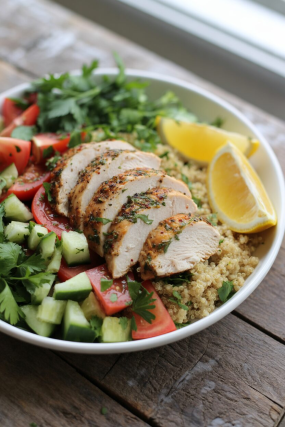
Lunch: Mediterranean Power Bowl
- 2 cups mixed greens
- 1 cup cooked quinoa
- ½ cup chickpeas
- ½ avocado
- Cherry tomatoes, cucumber, red onion
- Olive oil + lemon dressing
- Sprinkle of pumpkin seeds
Why it works: Plant protein, healthy fats, and a rainbow of produce to fight inflammation and boost energy.
Dinner: Salmon with Roasted Veggies
- 4-6 oz baked salmon (seasoned with garlic, lemon, and dill)
- Roasted Brussels sprouts and sweet potatoes
- Side of brown rice
Why it works: Omega-3-rich salmon plus fiber-packed veggies help calm inflammation and support gut health.
Snack ideas
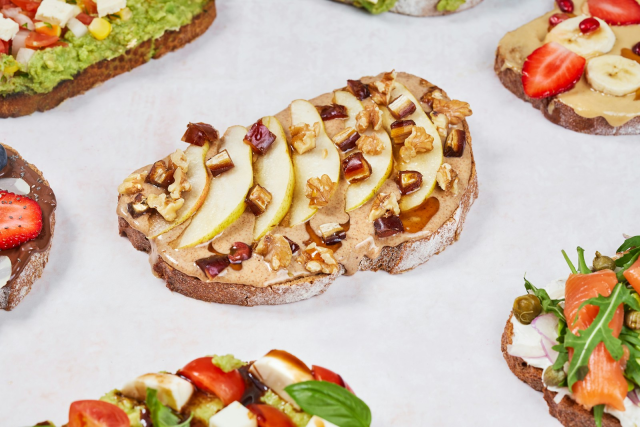
- Apple slices with almond butter
- Hummus with carrots + cucumbers
- Green smoothie (spinach, banana, flax, almond milk)
- Dark chocolate (70% or higher)
How to Make It Stick (Without Losing Your Mind or Being Hungry)
Here’s where most “diets” fizzle out — they’re too rigid. The beauty of an anti-inflammatory diet is that it’s flexible and realistic. A few mindset shifts can make all the difference:
1. Focus on Addition, Not Restriction
Instead of obsessing over what to cut, focus on adding colorful plants, herbs, and healthy fats to your plate. The more anti-inflammatory foods you include, the less room there is for the other stuff.
2. Keep It Simple and Repetitive
You don’t need 30 new recipes a week. Pick 2-3 go-to breakfasts, 3-4 lunches, and rotate easy dinners. Repetition makes grocery shopping and meal prep way less stressful.
Helpful tool: A pretty meal planner or calendar can help you see the week at a glance and stick with your plan. (This meal planner I love makes it easy to stay organized and cuts down on food waste.)
3. Stock an Anti-Inflammatory Pantry
Having the right staples on hand makes everything easier. My pantry MVPs: olive oil, canned beans, lentils, oats, quinoa, brown rice, chia seeds, flax seeds, nuts, and tons of herbs and spices.
Quick tip: You can grab many of these as affordable bundles online, like this anti-inflammatory pantry starter kit — so you always have building blocks ready.
4. Use Supplements to Fill Gaps (If Needed)
Food is always the foundation, but sometimes supplements can help give you a boost. Two of the most studied anti-inflammatory options:
- Omega-3 fatty acids (especially if you don’t eat fatty fish regularly)
- Turmeric (particularly curcumin, the active compound)
If you want to try them, look for high-quality brands that are third-party tested. This omega-3 I like and this turmeric supplement are both solid picks.
5. Make It Flexible, Not All-or-Nothing
If you want pizza on Friday night, go ahead and eat it. This isn’t about being perfect; it’s about giving your body more of what makes it feel good most of the time. One meal won’t undo your progress — and stressing about it can be inflammatory too.
Benefits You Might Notice (Pretty Quickly!)
Everyone’s body is different, but many people start to feel positive changes within a few weeks of consistently following an anti-inflammatory diet plan. Some common wins:
- More stable energy
- Less bloating or puffiness
- Improved digestion
- Clearer skin
- Better sleep
- Fewer aches and pains
- A general sense of “I just feel better”
It’s not about overnight transformation — it’s about building a long-term foundation for health.

Here Is Your 30-Minute Anti-Inflammatory Reset Plan
If you’re ready to jump in, here’s how to get started without overwhelm:
Step 1: Clean out your fridge and pantry. Toss or donate ultra-processed snacks, sugary drinks, and random mystery sauces you never use.
Step 2: Make a short shopping list of 10 anti-inflammatory staples (think olive oil, leafy greens, berries, nuts, canned beans, oats, salmon, sweet potatoes, garlic, turmeric).
Step 3: Plan 3 simple dinners for the week using those foods. Bonus points if you cook once and eat twice.
Step 4: Prep a few basics on Sunday — chop veggies, cook a grain, roast a tray of sheet-pan veggies, or make overnight oats.
Step 5: Pick one anti-inflammatory habit to focus on this week (like adding veggies to lunch or swapping soda for sparkling water). Once that feels easy, add another.
Tiny, doable steps build up fast. Before you know it, you’ll naturally be eating a low-inflammation diet — without ever feeling like you’re “on a diet.”
The Real-Real
Following an anti-inflammatory diet doesn’t have to be restrictive, complicated, or expensive. It’s just about giving your body more of the good stuff — colorful plants, healthy fats, omega-3s, herbs, and spices — and less of the ultra-processed stuff that leaves you feeling run-down.
With a few small shifts and a little planning, you can calm inflammation, boost your energy, and feel more vibrant from the inside out.
So grab your grocery list, restock your pantry, and let this be your gentle reset. Your body (and your future self) will thank you. 💛
Quick Links to Help You Get Started: