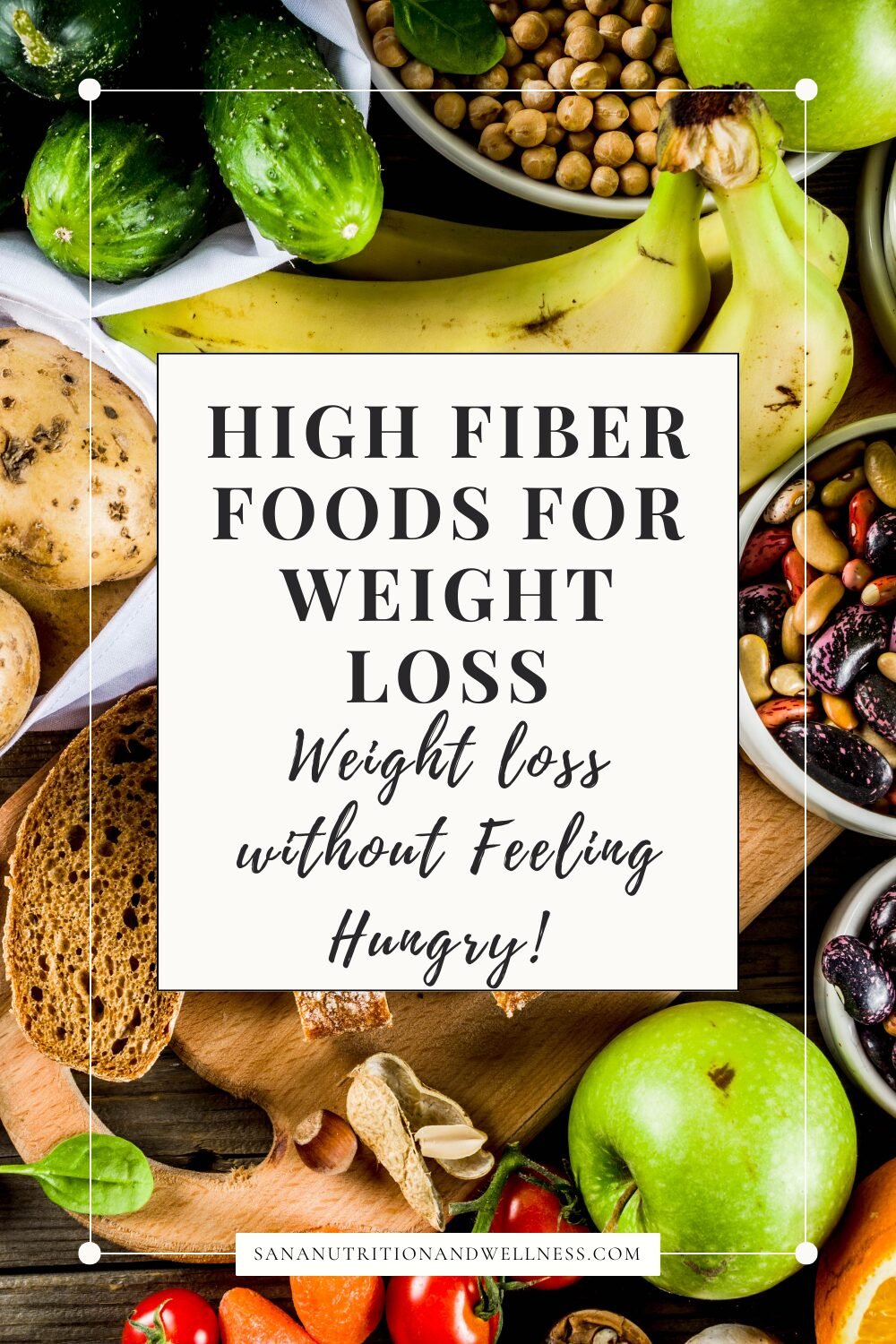
Let’s talk about something that doesn’t get nearly enough attention in the weight loss conversation: fiber. I love it because it’s not the latest trendy supplement or complicated meal plan. It’s ust good old fashioned fiber from real, delicious foods. If you’re working toward a healthier version of yourself in a balanced and sustainable way, understanding fiber’s role in weight loss might be one of the most important things you can do.
You don’t need to starve yourself or follow strict diets to lose weight in a healthy way. Focusing on whole, fiber rich foods helps you feel satisfied, energized, and manage your weight naturally. It’s about adding more good foods, not taking things away.
Why Fiber Is Your Secret Weapon for Natural Weight Loss
Before we get started, let’s talk about why a high fiber diet is so important for healthy weight loss. Fiber does something magical in your body: it slows down digestion, which means you stay fuller longer. No more feeling hungry an hour after eating. Plus, fiber helps stabilize your blood sugar, which prevents those energy crashes that send you running to the snack cabinet. And by eating foods that are high in fiber, these foods will naturally be high in vitamins, minerals, and phytochemicals that you need for a healthy metabolism and good gut health. (Managing inflammation is a really important aspect of weight management!)
How to Build a High Fiber Diet
Fiber is found in plant foods, and if you’ve read any of my other articles, you know that when we talk about food being medicine, the real medicine is found in plants. This is because of the high amount of micronutrients like vitamins and minerals, plus phytochemicals (bioactive compounds found in plants that help our body work better). Fiber plays a huge role in this because, among other things, it feeds our good gut microbes so they can stay healthy and keep us healthy. It also helps keep things moving in your GI tract.
Have you ever heard pooping referred to as “elimination”? It’s because one of the key roles of going number two is to eliminate the toxins your liver has pulled from your body. Eating a high fiber diet helps keep your poop soft and spongy to soak up all the stuff that needs to go. (Not the most glamorous topic, but it’s so important!)
So to eat a high fiber diet to support your weight loss journey, you need to eat more plant foods. Animal products contain zero fiber. But I’m not saying you can’t have animal products—in fact, they can play an important role because they make it easy to meet your protein needs. By having a plant-forward diet that also gets the right amount of protein, you’re golden! (Read more about getting enough protein and fiber to support weight loss.)
Now that you know why it’s important, let’s talk about the actual foods you need to incorporate to reach the goal of 30 to 40 grams of fiber a day.
The Best High Fiber Foods for Weight Loss
Fruits High in Fiber: Sweet, Satisfying, and Smart
Let’s begin with fiber rich fruits, since most of us enjoy adding naturally sweet foods to our meals. High fiber fruits and vegetables are a great base for any healthy eating plan, and fruits deserve special attention.
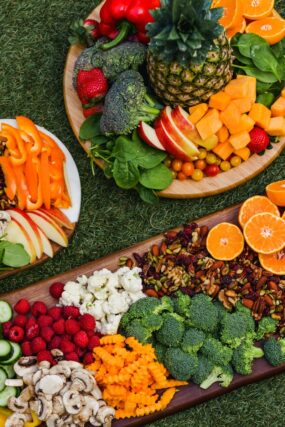
- Berries are absolute champions when it comes to fruits that have fiber. Raspberries lead the pack with about 8 grams of fiber per cup, followed closely by blackberries. Strawberries and blueberries are also excellent choices. Toss them in your morning yogurt, blend them into smoothies, or enjoy them as a naturally sweet snack.
- Pears and apples (with the skin on!) are fiber packed foods that travel well and satisfy that craving for something crunchy. A medium pear contains about 6 grams of fiber, while an apple offers around 4 grams. Keep a few in your bag for those afternoon moments when you need a pick me up.
- Avocados might surprise you. They’re actually a fruit and are packed with fiber. Half an avocado has about 7 grams of fiber, plus healthy fats that help you feel full. Try it on whole grain toast, in salads, or as guacamole.
- Bananas have about 3 grams of fiber each and are easy to take with you. If you choose a slightly green banana, you’ll get even more resistant starch, which works like fiber in your digestive system.
- Oranges, kiwis, and figs are also great high fiber fruits that add variety to your meals. Remember to eat the whole fruit instead of drinking juice, since that’s where the fiber is found.
High Fiber Vegetables: The Foundation of Every Plate
When we talk about fiber rich fruits and vegetables, we can’t skip the veggie side of the equation. Vegetables are some of the most nutrient-dense, fiber-heavy foods you can eat, and they should take up at least half your plate at most meals.
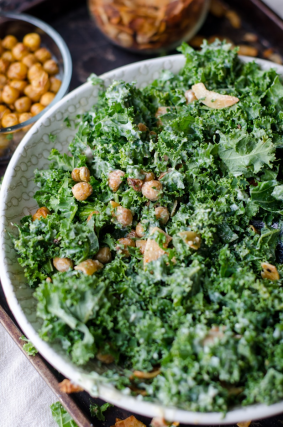
- Leafy greens like spinach, kale, and collard greens provide fiber along with a treasure trove of vitamins and minerals. Sauté them with garlic, toss them in smoothies, or build your meals around big, satisfying salads.
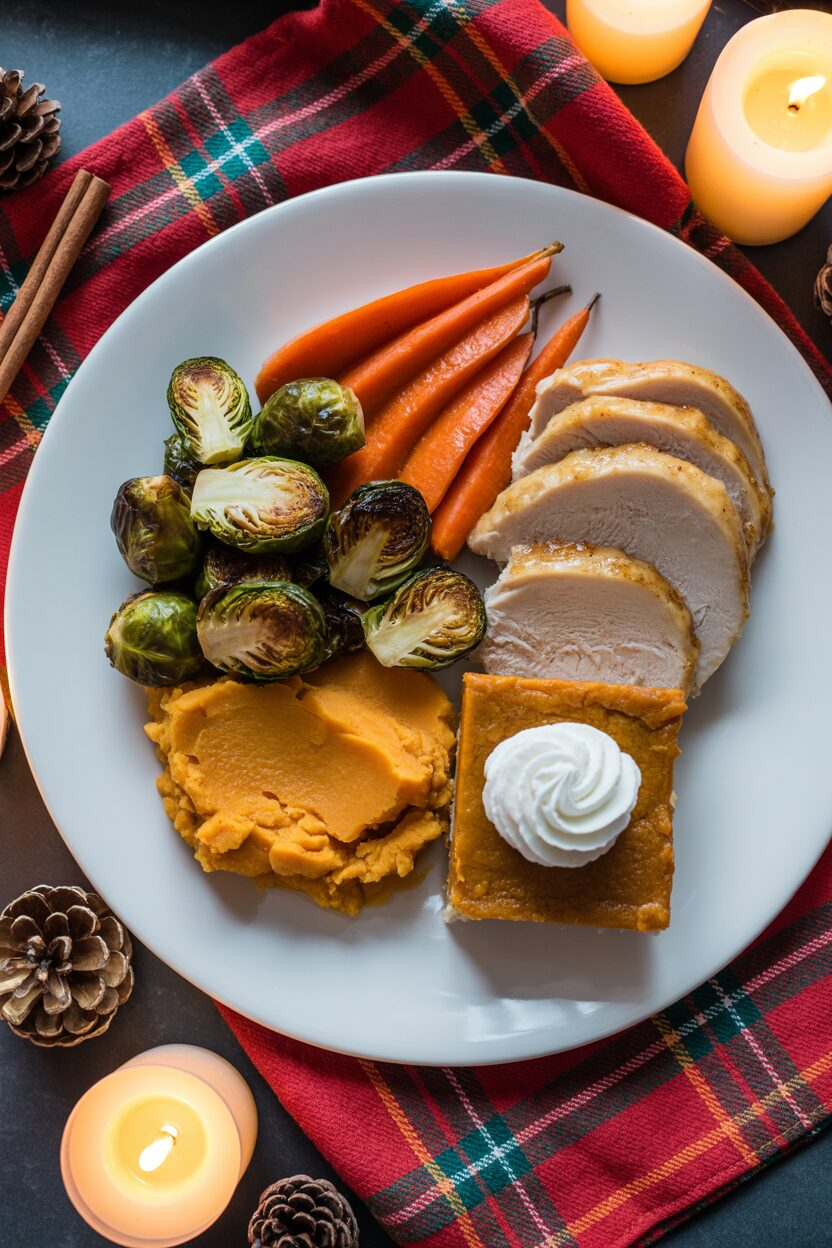
- Cruciferous vegetables like broccoli, cauliflower, Brussels sprouts, and cabbage are rich in fiber and help your body’s natural detox process. Try roasting them with olive oil and your favorite spices for a tasty side dish.
- Root vegetables like sweet potatoes, carrots, and beets are comforting, filling, and packed with fiber. A medium sweet potato with the skin provides about 4 grams of fiber along with complex carbohydrates that give you sustained energy.
- Legumes and beans are some of the best sources of fiber you can find. Black beans, lentils, chickpeas, and kidney beans each have 15 grams or more of fiber per cup. They’re also great sources of plant-based protein, making them perfect for a high-protein, high-fiber diet.
- Peas, artichokes, and corn round out the list of fruits and veggies high in fiber. An artichoke contains about 7 grams of fiber, while a cup of peas offers around 9 grams.
High Protein High Fiber Foods: The Dynamic Duo
If you’re looking for food rich in protein and fiber, you’ve hit the jackpot with certain plant based options. A high protein high fiber diet for weight loss keeps you satisfied longer because you’re getting both macronutrients that signal fullness to your brain.
- Lentils are absolute superstars, providing 18 grams of protein and 16 grams of fiber per cooked cup. Use them in soups, make lentil tacos, or toss them into salads.
- Beans (Chickpeas, Black beans, Pinto beans, Kidney beans…etc) offer 15 grams of protein and 12 grams of fiber per cup. Roast them for a crunchy snack, blend them into hummus, or add them to grain bowls.
- Edamame gives you 17 grams of protein and 8 grams of fiber per cup. Enjoy them steamed with a sprinkle of sea salt as a satisfying snack.
- Quinoa is a complete protein that also provides 5 grams of fiber per cup. Use it as a base for Buddha bowls or as a side dish instead of white rice.
- Chia seeds and flaxseeds are tiny but mighty, offering both protein and fiber. Two tablespoons of chia seeds contain 10 grams of fiber. Sprinkle them on oatmeal, blend them into smoothies, or make chia pudding for a filling breakfast or snack.
High Fiber Snacks for Weight Loss: Stay Satisfied Between Meals
Let’s be honest—everyone snacks sometimes, and that’s okay. The important thing is to pick high fiber snacks that keep you full until your next meal.
- Popcorn is a whole grain that’s surprisingly high in fiber—about 4 grams per 3 cup serving when air popped. Skip the butter drenched movie theater version and make your own with a sprinkle of nutritional yeast or your favorite spices.
- Nuts and seeds are portable, shelf stable, and satisfying. Almonds provide 3.5 grams of fiber per ounce along with healthy fats and protein. Keep small portions in your bag for on the go snacking.
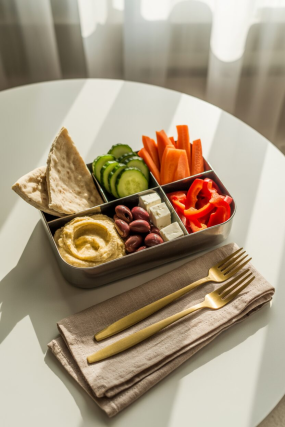
- Fresh vegetables with hummus combine the fiber from both the veggies and the chickpeas in the hummus. Cut up bell peppers, carrots, cucumber, and celery for a crunchy, satisfying snack.
- Apple slices with almond butter give you the fiber from the fruit plus protein and healthy fats from the nut butter. It’s a classic combination that works because it balances blood sugar and keeps you full.
- Whole grain crackers with avocado offer fiber from both components. Look for crackers made with whole wheat, quinoa, or other whole grains.
Practical Tips for Adding More Fiber to Your Day
Making the shift to include more fiber enriched foods doesn’t have to be overwhelming. Here are some gentle ways to increase your fiber intake:
- Start gradually. If you’re not used to eating much fiber, suddenly jumping to 35 grams a day might cause digestive discomfort. Add an extra serving or two of fiber heavy foods each week until you reach your goal.
- Drink plenty of water. Fiber needs water to do its job properly. Aim for at least 8 glasses of water daily, more if you’re very active.
- Choose whole grains over refined grains. Swap white bread for whole wheat, white rice for brown rice or quinoa, and regular pasta for whole grain versions.
- Leave the skins on. So much fiber lives in the peels and skins of fruits and vegetables. When safe and practical, eat them whole.
- Add beans to everything. Seriously, beans are your best friend when building a high protein high fiber diet for weight loss. Toss them in salads, soups, grain bowls, and even pasta dishes. (Can’t tolerate beans very well? Read more about improving your gut health—there could be something you can do here!)
- Sneak fiber into familiar foods. Add ground flaxseed to smoothies, mix chia seeds into yogurt, or stir white beans into your pasta sauce (they blend right in and add creaminess along with fiber).
- Prep fruits and vegetables in advance. Cut up veggies for snacking, wash berries when you get home from the store, and keep pre-portioned fruit within easy reach.

A Gentle Reminder About Weight Loss and Self Love
As you work on incorporating these good fiber foods for weight loss into your daily routine, remember that healthy weight loss isn’t about punishing yourself or following rigid rules. It’s about nourishing your body with foods that make you feel good, body, mind, and spirit! Weight loss, when done right, is not a punishment. It is a journey to taking really good, loving care of yourself and nourishing yourself with healthy, nutritious food and loving movement.
You can love your body exactly as it is today while also taking steps toward feeling healthier and more energized. These things aren’t mutually exclusive. Every time you choose a fiber rich food, you’re showing your body love and care. You’re investing in your long-term health and well-being.
Remember, progress isn’t always in a straight line. Some days you will be on point. Some days, making aligned choices will be a struggle. Life happens, and that’s okay. The goal is to build sustainable habits that support your health for the long haul, not to be perfect.
Making It Work in Real Life
The most important thing about any nutrition approach is that it fits into your actual life. High fiber foods for people who are busy, stressed, and juggling multiple responsibilities need to be convenient and realistic.
Keep frozen fruits and vegetables on hand for easy additions to meals. Stock your pantry with canned beans (rinse them to reduce sodium) for quick protein and fiber. Batch cook grains like quinoa or brown rice on weekends so you have them ready throughout the week.
When eating out, look for menu items that include whole grains, legumes, and plenty of vegetables. Most restaurants are happy to accommodate requests like extra veggies or substituting a side salad for fries.
And try planning out your meals and sticking to that plan. That way you aren’t bending to all your whims and impulses, which are typically emotional instead of rational. Learning to understand our emotional eating habits is really important in this journey!
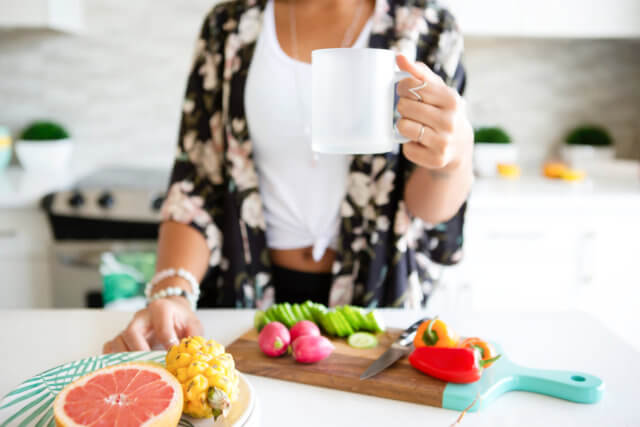
Your Journey Toward a Healthier You
Building a diet rich in sources of fiber is one of the most effective, sustainable approaches to natural weight loss. Unlike restrictive diets that leave you feeling deprived, focusing on fiber rich foods means you’re adding nourishing, satisfying options to your plate.
You’re not just eating to lose weight. You’re also fueling your body for energy, better digestion, steady blood sugar, and the nutrients you need to feel your best. Natural weight loss is often a great bonus of these healthy choices.
Remember, there’s no rush. Every meal is a new opportunity to choose foods that support your goals while honoring your body’s needs and your taste preferences. Start with one or two changes this week—maybe swapping refined grains for whole grains, or adding an extra serving of vegetables to dinner. Build from there.
Your path to better health is your own, and it should include kindness, compassion, flexibility, and tasty food that makes you feel good. Enjoy filling your plate with colorful, flavorful, fiber rich foods that help you become your healthiest and happiest self.