How GLP-1 medications work, the health benefits beyond weight loss, and the nutrition strategies you need to stay strong and healthy on them.
By now, you’ve probably heard of medications like GLP-1 Medications, such as Ozempic, Wegovy, Mounjaro, or Zepbound. In fact, you probably know someone who is on them and they’ve changed the game for people struggling with type 2 diabetes, obesity, and even other health conditions. And, as a dietitian who works with many patients who have struggled with these conditions, I have seen their results firsthand and I have to say, I am a big fan (in the right circumstances of course)
In this post, I’ll walk you through how these meds actually work, what the science says about their benefits, and, most importantly, how to eat and take care of your body if you’re on one.
What are GLP-1s and how do they work?
GLP-1 stands for glucagon-like peptide-1. It’s a natural hormone your gut makes when you eat. Think of it as your body’s food traffic controller. Here’s what it does:
- Helps your pancreas release insulin when blood sugar is high
- Tells your liver to chill on pumping out more sugar into your blood
- Slows down how quickly food leaves your stomach (so you feel fuller, longer)
- Signals your brain to reduce appetite
GLP-1 medications mimic this hormone, but they last much longer than the quick burst your body normally produces. That’s why people on these meds often feel full faster, eat less, and see steadier blood sugar levels.
There are a few versions:
- Liraglutide (Saxenda, Victoza) and semaglutide (Ozempic, Wegovy) are GLP-1 receptor agonists.
- Tirzepatide (Mounjaro, Zepbound) works on both GLP-1 and another hormone called GIP, which may give it an extra boost for weight and metabolism.
Do they really work for weight loss?
Yes—and the research is strong.
- In one large study (STEP-1), people on semaglutide lost about 15% of their body weight over 68 weeks, compared to almost no change in the placebo group.
- In another study (SURMOUNT-1), people on tirzepatide lost 15–21% of their body weight depending on the dose.
For context, that’s more than we usually see with older weight loss meds and a huge deal for overall health.
How about blood sugar?
These medications were first designed for type 2 diabetes, and they still shine there.
They lower A1c (your 3-month average blood sugar) and fasting glucose, usually without causing dangerous low blood sugars (unless combined with insulin or certain other meds). In fact, the American Diabetes Association lists them as one of the best options for bringing A1c down outside of insulin.
Benefits beyond blood sugar and weight
- Heart health: The SELECT trial showed that semaglutide reduced heart attacks and strokes in people with overweight/obesity—even if they didn’t have diabetes.
- Kidneys: The FLOW trial found semaglutide slowed kidney disease progression in people with diabetes and kidney problems.
- Liver: Studies show semaglutide helps with fatty liver disease (MASLD/MASH) by reducing liver inflammation and fat buildup.
- Sleep apnea: Tirzepatide is FDA-approved to help with obstructive sleep apnea in people with obesity, reducing nighttime breathing interruptions.
- Alcohol use disorder: Early research suggests that GLP-1 meds may help reduce alcohol cravings and drinking by acting on the brain’s dopamine system, the same reward pathway that makes alcohol feel reinforcing. This is still an emerging area, but it’s promising for people struggling with alcohol use.
- Binge eating disorder (BED): Studies also suggest GLP-1s may reduce binge eating episodes by improving appetite regulation and reducing reward-driven eating. That said, it’s really important to note: if someone has an active eating disorder, GLP-1 medications should only be used under close medical and mental health supervision. These medications aren’t a replacement for therapy or treatment, but they may become a helpful tool in the bigger recovery picture.
So while the headlines talk about weight loss, these medications are also helping with conditions that can be life-threatening—or deeply life-disrupting.
The nutrition piece: what to eat if you’re on a GLP-1
Okay, here’s where food comes in. Medications can change your biology, but your nutrition decides what kind of weight you lose—and whether you feel good while losing it.
1) Protein is king
Here’s the thing: when you lose weight, you’re not just losing fat, you can also lose muscle(!). That’s a problem because muscle keeps your metabolism strong and supports blood sugar control.
To protect your lean mass, aim for 1.2–1.6 grams of protein per kilogram of body weight per day (adjusted for your health needs). For most people, that’s about 80–120 grams a day. I like my clients to aim for ~30g/protein per meal. Remember, people don’t want to eat as much on these medications, so be sure to optimize your meals!
Good protein sources:
- Eggs, Greek yogurt, cottage cheese
- Poultry, fish, lean meats
- Tofu, tempeh, edamame, beans, lentils
- Protein smoothies (a great option if you’re not hungry)
2) Don’t skip strength training
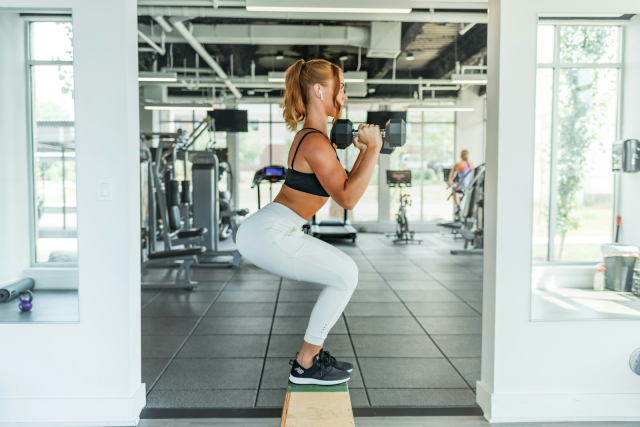
Protein plus resistance training is the magic combo! Even 2 days a week of weights, bands, or bodyweight exercises helps preserve muscle while you lose fat.
3) Tame the tummy troubles
The most common side effects of GLP-1 meds are nausea, fullness, constipation, or sometimes diarrhea. Here’s how to make it easier:
- Eat smaller, slower meals so your stomach isn’t overwhelmed.
- Keep meals lighter on fat at first, big greasy meals often make nausea worse and slows digestion
- Stay hydrated throughout the day.
- For constipation: add fiber gradually (chia, flax, beans, kiwifruit, veggies) and move your body daily. If that’s not enough, talk to your doctor about safe options.
4) Cover your nutrient bases
Because appetite is lower, it’s easy to miss out on key nutrients. Make your meals count with:
- Protein (again, can’t say it enough)
- Fiber for digestion and gut health (about 25 grams/day for women)
- Potassium-rich foods (greens, beans, potatoes, avocados, fruit) for heart and muscle function
- Calcium and vitamin D for bones (dairy, fortified milk alternatives, tinned fish, tofu, sunlight + foods).
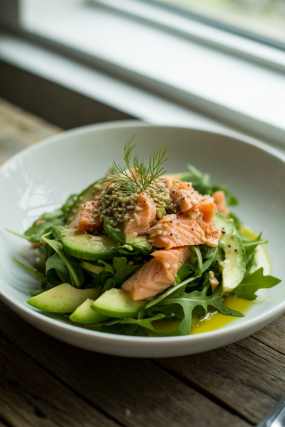
- Omega-3 fats from salmon, sardines, trout, or algae supplements for heart and brain health
5) Easy-to-eat meal ideas when nothing sounds good
Sometimes appetite dips so much that nothing seems appealing. A few gentle, protein-packed options:
- Egg bites or a soft scramble
- Greek yogurt with berries and hemp hearts
- Protein smoothie with fruit, milk, and a scoop of protein powder
- Lentil soup or miso soup with tofu and greens
- Baked salmon with mashed sweet potato
- Cottage cheese with pineapple and pumpkin seeds
Safety reminders
These medications are generally safe, but side effects are common when doses go up. Call your doctor if you have severe nausea, vomiting, dehydration, gallbladder pain, or intense stomach pain. Always work with your provider on adjusting dose and timing.
Quick recap
- How they work: help insulin work better, slow down digestion, reduce appetite
- Benefits: weight loss, blood sugar control, heart, kidney, liver, and sleep apnea improvements
- What to eat: prioritize protein, strength train, hydrate, focus on fiber, potassium, calcium, vitamin D, and omega-3s
- Watch for: GI symptoms and muscle loss if protein is too low.
👉 Bottom line: GLP-1 medications can be powerful tools, but food, movement, and lifestyle choices make the difference between just losing weight and actually getting healthier. Pair them together for the best results. (Check out this Daily meal plan)
Ready for Support Beyond the Prescription?
GLP-1 medications can be powerful tools—but they work best when paired with the right nutrition and lifestyle strategies. If you’re feeling unsure about how to protect your muscle, manage side effects, or get the nutrients your body needs while on these medications, you don’t have to figure it out alone.
I work with clients to create realistic, personalized plans that support long-term health—so you can feel confident, energized, and strong through your journey.
👉 If you’d like extra support, let’s work together. Reach out today to start building a plan that works for you.