Your ultimate guide to 50 high-fiber fall foods—including fruits, veggies, grains, and legumes—that boost energy, support digestion, and keep you full all season.
There’s something about fall that makes me want to cozy up with hearty meals, warm drinks, and all the seasonal produce I can fit in my kitchen. And while pumpkin spice might steal the spotlight, this season is actually packed with nutrient-dense, high-fiber foods that can help keep you full, energized, and feeling great.
Fiber is one of the most underrated nutrients out there. It’s not just about “keeping things moving” (though it’s great for digestion). A high-fiber diet can help stabilize blood sugar, support gut health (which has a huge impact of immune function and inflammation, lower cholesterol, and even keep your energy levels more steady throughout the day. Plus, fiber-rich foods are often rich in other vitamins, minerals, and antioxidants—so it’s a win-win.
Today, we’re talking all about 50 fall-inspired, fiber-packed foods you can easily work into your meals and snacks. And yes, I’ll include some tips, storage ideas, and a few of my favorite tools for making it easier to get your daily fiber fix.
Why Fiber Is a Fall MVP
Before we dive into the list, here’s why I love talking about fiber in the cooler months:
- Fall produce = peak flavor. Apples are crisper, sweet potatoes sweeter, and greens heartier.
- Hearty meals can be fiber-rich. Soups, stews, roasted veggies, and grain bowls are perfect fall comfort food, and most can be loaded with fiber.
- It helps with holiday season balance. More fiber means more stable energy, which helps you navigate pumpkin pie season without feeling sluggish.
The recommended daily fiber intake is about 25 grams for women and 38 grams for men (though most of us get far less). These 50 foods can help you hit your goals while keeping meals seasonal and satisfying.
The 50 High-Fiber Fall Foods
I’ve grouped these into categories so you can see how versatile your fiber sources can be.
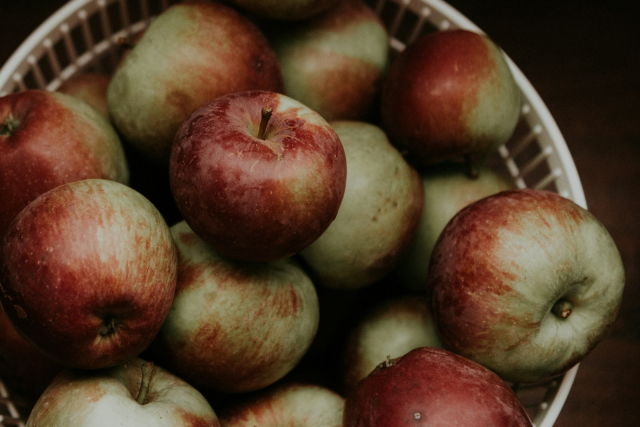
🍎 Fruits (Sweet & Snackable)
- Apples – ~4g per medium apple. Eat with the skin for max fiber.
- Pears – ~5.5g per medium pear. Juicy and perfect in salads or baked.
- Figs – ~3g per 3 figs. Fresh in early fall, dried year-round.
- Pomegranates – ~4g per ½ cup arils. Sprinkle on oatmeal or yogurt.
- Persimmons – ~6g each. Sweet, custard-like flesh in late fall.
- Cranberries (fresh) – ~4g per cup. Try in compotes or salads.
- Raspberries – ~8g per cup. Great for breakfast bowls.
- Blackberries – ~7.5g per cup. A little tart, a lot of fiber.
- Blueberries – ~3.6g per cup. Sweet, antioxidant-rich, and perfect for oatmeal or muffins.
- Dates – ~3g per 3 dates. Natural sweetness for snacks or baking.
🥕 Vegetables (Roast, Mash, or Toss in a Salad)
- Sweet Potatoes – ~4g per medium. Roast with olive oil and spices.
- Pumpkin – ~3g per cup cooked. Also high in beta-carotene.
- Butternut Squash – ~3g per cup. Creamy in soups or roasted.
- Acorn Squash – ~9g per cup baked. Pairs well with cinnamon.
- Spaghetti Squash – ~2g per cup. Low-carb pasta swap.
- Brussels Sprouts – ~4g per cup cooked. Roast for caramelized edges.
- Broccoli – ~5g per cup cooked. High in fiber and vitamin C.
- Cauliflower – ~3g per cup cooked. Try roasted, mashed, or as a rice alternative.
- Celery – ~1.6g per cup raw. Crisp and refreshing, perfect for snacking or adding crunch to salads.
- Carrots – ~3.5g per cup raw. Great roasted or in slaws.
🌿 Leafy Greens
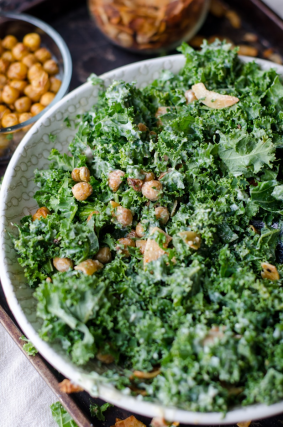
- Kale – ~2.5g per cup raw. Massage for salads or sauté.
- Collard Greens – ~5g per cup cooked. Excellent in soups.
- Swiss Chard – ~4g per cup cooked. Slightly earthy taste.
- Spinach – ~4g per cup cooked. Mild flavor and versatile for soups, sautés, and omelets.
- Cabbage (red or green) – ~5g per cup cooked. Perfect for slaws or stir-fries.
🌾 Whole Grains (Warm & Comforting)
- Oats – ~4g per cup cooked. Overnight oats make mornings easier.
- Quinoa – ~5g per cup cooked. Great in salads and bowls.
- Barley – ~6g per cup cooked. Adds chewiness to soups.
- Farro – ~5g per cup cooked. Nutty and hearty for fall dishes.
- Brown Rice – ~3.5g per cup cooked. Simple, versatile staple.
🥜 Legumes & Beans (Budget-Friendly Fiber)
- Lentils – ~15g per cup cooked. Amazing in soups and curries.
- Chickpeas – ~12g per cup cooked. Roast for a crunchy snack.
- Black Beans – ~15g per cup cooked. Great in chili or grain bowls.
- Kidney Beans – ~11g per cup cooked. Add to stews or casseroles.
- Navy Beans – ~19g per cup cooked. Creamy in soups.
- Split Peas – ~16g per cup cooked. The base for split pea soup.
🌰 Nuts, Seeds & Extras
- Almonds – ~3.5g per ounce. Great for trail mix.
- Walnuts – ~2g per ounce. Perfect for baking or salads.
- Pecans – ~2.7g per ounce. A fall dessert favorite.
- Chia Seeds – ~10g per ounce. Swell up in pudding or smoothies.
- Flaxseeds – ~8g per ounce. Ground for better absorption.
- Pumpkin Seeds – ~5g per ounce. Roast with spices.
- Sunflower Seeds – ~3g per ounce. Sprinkle on salads.
- Sesame Seeds – ~4g per ounce. Add to stir-fries or tahini.
- Psyllium Husk – ~7g per tablespoon. A soluble fiber boost.
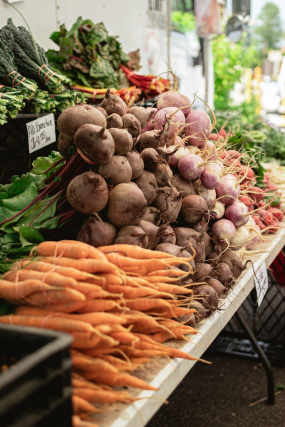
🍠 Root Veggies & Other Fall Stars
- Beets – ~3.8g per cup cooked. Roast or grate into salads.
- Turnips – ~3g per cup cooked. Mild, slightly peppery.
- Rutabaga – ~4g per cup cooked. Mash or roast.
- Celery Root (Celeriac) – ~2.8g per cup cooked. Great in soups.
- Jerusalem Artichokes (Sunchokes) – ~2.4g per cup cooked. Nutty and slightly sweet.
How to Get More Fiber Without Feeling Overwhelmed or Annoying GI Symptoms
If your current diet is low in fiber, don’t suddenly triple your intake overnight—you’ll likely end up with bloating and gas (and not the fun, festive kind). Instead:
- Increase slowly. Add one or two new high-fiber foods each day.
- Drink plenty of water. Fiber works best when it has fluid to help it move along.
- Mix soluble and insoluble fiber. Both types are important for digestion and satiety.
- Think “add,” not “restrict.” You don’t need to overhaul your diet—just swap in more fiber-rich options.
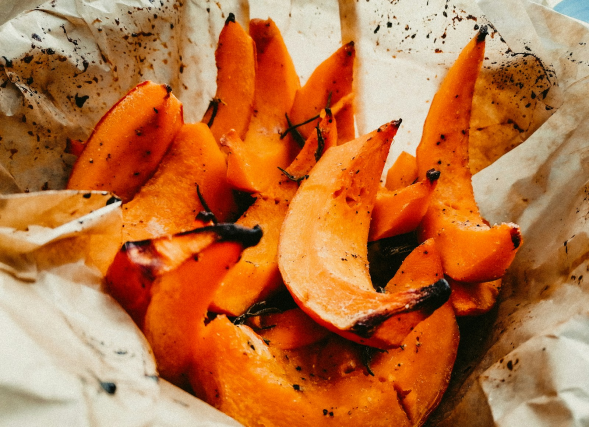
Easy Ways to Work These Foods Into Fall Meals
- Breakfast: Oatmeal with diced apples, chia seeds, and walnuts. Add some protein like Greek yogurt, eggs, or tofu scramble for sustained fullness and blood sugar balance.
- Lunch: Chicken and Quinoa salad with kale, roasted Brussels sprouts, and cranberries.
- Snack: Pear slices with almond butter.
- Dinner: Lentil stew with carrots, parsnips, and collard greens.
- Dessert: Baked figs or pears with a sprinkle of cinnamon and flax.
Storage & Meal Prep Tips (Affiliate-Friendly!)
Fall produce can be plentiful, but it’s not always cheap—so storing it well is key. A few of my go-to tools and tricks:
- Airtight glass containers – Keep prepped veggies and cooked grains fresh longer. Glass Meal Prep Containers)
- Produce storage bins – Extend the life of greens and berries. (Produce Keepers)
- Sharp chef’s knife – Prepping high-fiber veggies is way easier with a quality blade. (Knife Set)
- Fiber supplements – If you’re traveling or need a quick boost, powders like psyllium husk can help bridge the gap. ( Psyllium Husk)
- Mason jars – Perfect for overnight oats or layered salads. ( Mason Jars)
Fiber Supplements: Yay or Nay?
While I always recommend food first, fiber supplements can be helpful in certain cases, especially if you’re short on time, have symptoms of constipation or diarrhea, or are traveling. Look for a fiber supplement that doesn’t have a lot of psyllium husk and doesn’t have a lot of artificial colors or sweeteners. Mix with plenty of water and introduce slowly to avoid discomfort.
( My Favorite Fiber Supplement)
The Bottom Line
Fall is one of the best times of year to load up on fiber-rich foods. Between hearty vegetables, sweet fruits, and wholesome grains and legumes, you can easily hit your daily fiber goals without feeling like you’re eating “diet” food.
Not only will you stay fuller for longer, but you’ll also support your gut health, blood sugar balance, and energy, so you can actually enjoy all that the season has to offer, from football games to holiday baking.
So grab a basket (and maybe a few airtight containers), hit your local farmer’s market, and start building those high-fiber fall meals. Your body—and your taste buds—will thank you.