Stay full longer, support digestion, and support healthy weight loss naturally
Let’s talk about something that doesn’t get nearly enough attention in the weight loss conversation: fiber.
I love fiber because it’s not the latest trendy supplement or a complicated meal plan. It’s just good, old-fashioned fiber from real, delicious foods. If you’re working toward a healthier version of yourself in a balanced, sustainable way, understanding fiber’s role in weight loss may be one of the most important steps you can take.
You don’t need to starve yourself or follow rigid diets to lose weight in a healthy way. Focusing on high fiber foods helps you feel satisfied, energized, and supported, while allowing weight loss to happen naturally. This approach is about adding nourishing foods, not taking things away.
Why Fiber Is Your Secret Weapon for Natural Weight Loss
Before we get into the food list, let’s talk about why a high fiber diet is so effective for weight loss.
Fiber slows digestion, which helps you stay full longer and reduces constant hunger. That means fewer energy crashes, fewer intense cravings, and less mindless snacking. Fiber also plays a key role in stabilizing blood sugar, which is critical for sustainable weight management.
Another benefit that often gets overlooked is that fiber rich foods are naturally packed with vitamins, minerals, and phytochemicals that support metabolism, gut health, and inflammation balance. And yes, managing inflammation is a huge part of long-term weight management.
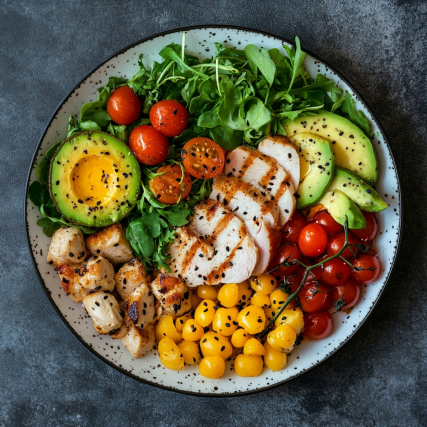
How to Build a High Fiber Diet (Without Overcomplicating It)
Fiber is found in plant foods, and when we talk about food as medicine, plants are where that medicine lives. Fruits, vegetables, legumes, whole grains, nuts, and seeds provide fiber along with micronutrients and phytochemicals that help the body function at its best.
Fiber also feeds your beneficial gut bacteria, which support digestion, immune health, and even appetite regulation. It helps keep things moving in your GI tract, too.
You’ve probably heard bowel movements referred to as “elimination,” and for good reason. One of the body’s main ways of removing waste and toxins is through digestion. A high fiber diet helps keep stool soft and bulky so it can do its job effectively. Not glamorous, but incredibly important.
Animal foods contain zero fiber, but that doesn’t mean they need to be eliminated. Protein from animal sources can be very helpful for meeting protein needs. The sweet spot for many people is a plant-forward diet with adequate protein, whether plant-based, omnivorous, or somewhere in between.
To support weight loss and overall good health, most adults benefit from working toward 30–40 grams of fiber per day, adjusted based on tolerance.
The Best High Fiber Foods for Weight Loss
Fruits High in Fiber: Sweet, Satisfying, and Smart
Fiber rich fruits are an easy and enjoyable way to boost daily fiber intake.
- Berries are standout high-fiber fruits. Raspberries lead with about 8 grams of fiber per cup, followed by blackberries. Strawberries and blueberries are also excellent options. Add them to breakfast bowls, smoothies, or enjoy them as a naturally sweet snack.
- Pears and apples (with the skin on) are fiber packed foods that travel well and satisfy crunchy cravings. A medium pear provides about 6 grams of fiber, while an apple offers around 4 grams.
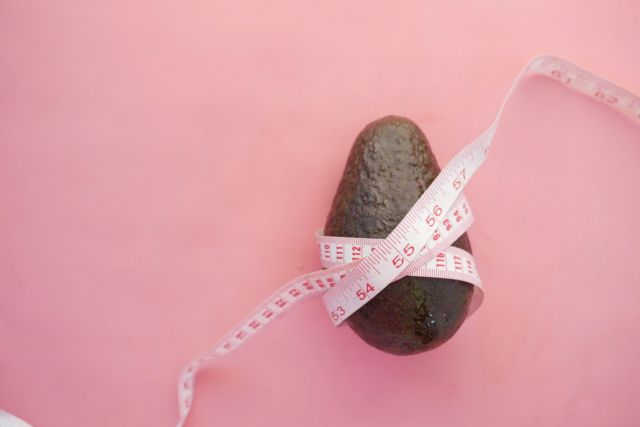
- Avocados are technically a fruit and surprisingly high in fiber. Half an avocado contains about 7 grams of fiber plus healthy fats that support satiety.
- Bananas provide about 3 grams of fiber each. Slightly green bananas contain more resistant starch, which acts like fiber in the gut.
- Other fruits high in fiber include oranges, kiwis, and figs. Always choose whole fruit over juice, since fiber is lost during juicing.
High Fiber Vegetables: The Foundation of Every Plate
Vegetables are some of the most nutrient-dense, fiber heavy foods you can eat and should take up a large portion of your plate.
- Leafy greens like spinach, kale, and collards provide fiber along with essential vitamins and minerals. Use them in salads, smoothies, or sautéed dishes.
- Cruciferous vegetables such as broccoli, cauliflower, Brussels sprouts, and cabbage are rich in fiber and support the body’s natural detox pathways. Roasting them with olive oil and spices makes them especially satisfying.
- Root vegetables like sweet potatoes, carrots, and beets are comforting, filling, and high in fiber. A medium sweet potato with the skin provides about 4 grams of fiber and sustained energy.
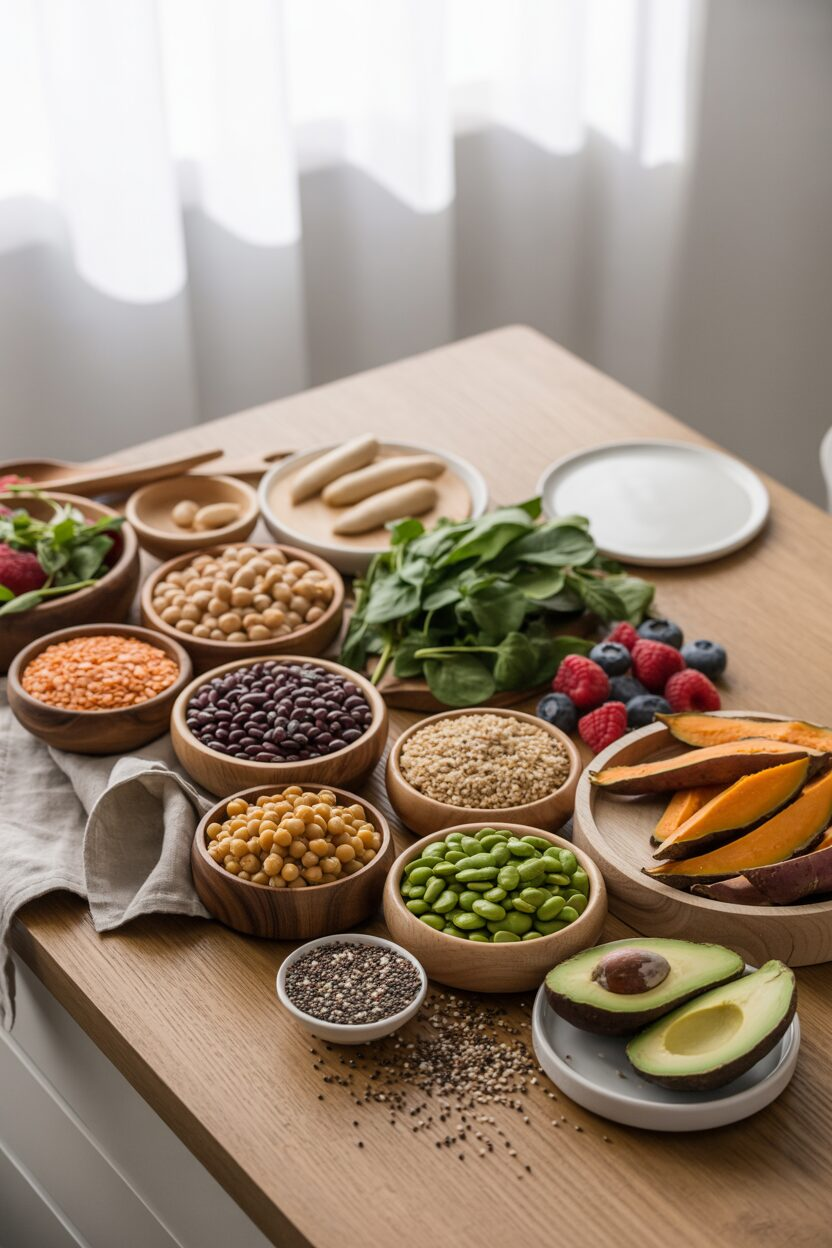
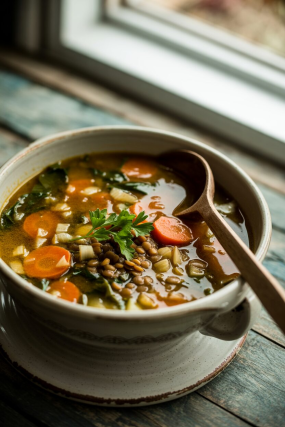
- Legumes deserve special recognition. Lentils, black beans, chickpeas, and kidney beans provide 15 grams or more of fiber per cup and are also excellent sources of plant-based protein.
Other fiber rich vegetables include peas, artichokes, and corn. A single artichoke contains about 7 grams of fiber, while a cup of peas offers around 9 grams.
High Protein, High Fiber Foods: The Ultimate Combo
Combining protein and fiber is one of the most effective strategies for weight loss because both promote fullness.
- Lentils provide about 18 grams of protein and 16 grams of fiber per cup
- Chickpeas offer 15 grams of protein and 12 grams of fiber
- Edamame delivers 17 grams of protein and 8 grams of fiber
- Quinoa provides complete protein plus 5 grams of fiber
- Chia seeds and flaxseeds are small but mighty, with chia seeds offering about 10 grams of fiber per 2 tablespoons
These foods support blood sugar balance and help keep you satisfied between meals.
High Fiber Snacks for Weight Loss
Snacking can absolutely fit into a healthy weight loss plan when fiber is part of the picture.
- Air-popped popcorn is a whole grain with about 4 grams of fiber per 3 cups
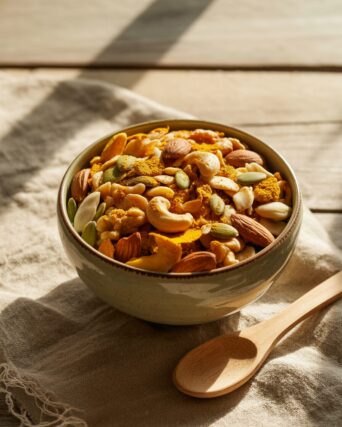
- Nuts and seeds provide fiber, protein, and healthy fats (watch portions)
- Vegetables with hummus combine fiber from both sources
- Apple slices with almond butter balance fiber, protein, and fat
- Whole grain crackers with avocado add fiber and satisfaction
Practical Tips for Adding More Fiber
- Increase fiber gradually to avoid bloating
- Drink plenty of water
- Choose whole grains over refined grains
- Leave edible skins on fruits and vegetables
- Add beans to meals whenever possible
- Prep fruits and vegetables ahead of time
A Gentle Reminder About Weight Loss
Weight loss is not about punishment or restriction. It’s about nourishment, consistency, and self-respect.
You can love your body exactly as it is today while still supporting change. These things are not opposites. Choosing fiber rich foods is an act of care, not control.
Progress won’t be perfect. Some days will feel easy, others won’t. That’s normal. The goal is sustainability, not perfection.
Making It Work in Real Life
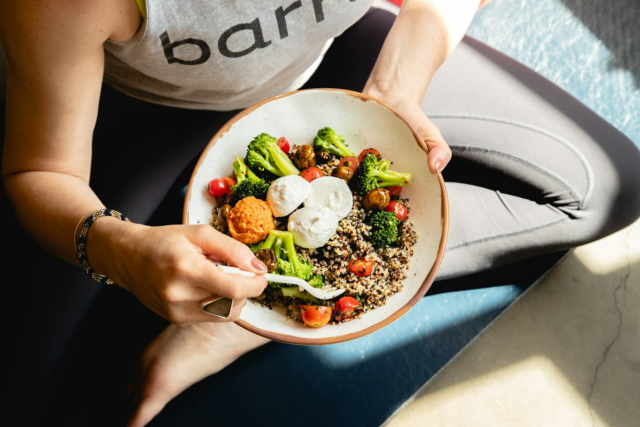
Keep frozen fruits and vegetables on hand. Use canned beans for convenience. Batch-cook grains. When eating out, look for meals with vegetables, legumes, and whole grains.
Planning meals ahead of time can also help reduce emotional eating and impulsive choices.
Your Path Forward
Building a diet rich in dietary fiber is one of the most effective and sustainable ways to support natural weight loss. Instead of feeling deprived, you’ll feel nourished, satisfied, and supported.
Start small. Add one or two fiber rich foods this week and build from there. Over time, these choices compound into better digestion, more energy, steadier blood sugar, and yes, weight loss that feels natural.
Your journey toward health should include flexibility, compassion, and food you genuinely enjoy. Fiber rich foods make that possible.
Want Support Creating a Personalized Nutrition Plan?
If you’d like help building meals that support gut health, reduce inflammation, and actually fit your life, I offer 1:1 nutrition support. Together, we’ll create a plan that feels doable, nourishing, and sustainable.
You can learn more about working with me here.
Frequently Asked Questions About High Fiber Foods
What are high fiber foods?
High fiber foods are foods that contain significant amounts of dietary fiber, typically 5 grams or more per serving. Examples include legumes, whole grains, seeds, and certain vegetables and fruits.
Are high fiber foods good for weight loss?
Yes. High fiber foods help slow digestion, increase fullness, and stabilize blood sugar, which can naturally support weight loss by reducing overeating and cravings.
How much fiber should adults eat per day?
Most adults benefit from 25–38 grams of fiber per day. Many people fall short, especially if their diet is low in fruits, vegetables, whole grains, and legumes.
Can high fiber foods improve digestive health?
Absolutely. Fiber feeds beneficial gut bacteria, supports regular bowel movements, and plays a key role in overall digestive health.
What is the best way to eat more fiber without bloating?
The best way to eat more fiber is to increase intake gradually, drink enough fluids, and spread fiber-rich foods throughout the day instead of eating large amounts at once.
Are plant-based high fiber foods also high in protein?
Many plant-based foods, such as lentils, chickpeas, edamame, and tempeh, are both fiber rich and protein rich, making them great options for plant-forward or vegan diets.