A gentle, gut-friendly guide to reaching 30–40 grams of fiber per day
If you’ve ever tried to boost your fiber intake only to end up feeling uncomfortably bloated and gassy, you’re definitely not alone. It’s one of the most common complaints I hear from clients who are trying to eat healthier and add fiber to their diet. It’s so frustrating! Fiber is supposed to make your digestive system feel better, not worse, right?
Here’s the good news: those uncomfortable symptoms aren’t a sign that fiber doesn’t agree with you. They’re usually just a sign that you may be adding too much, too fast. Your gut isn’t used to that amount of fiber yet and needs time to adjust. No problem, you just need to pump the brakes. When you increase fiber gradually and strategically, you can get all the benefits without the bloating.
Let me walk you through exactly how to do this, so you can feel great while building healthier eating habits.
Why Fiber Causes Bloating in the First Place
Before we dive into solutions, it helps to understand what’s actually happening in your digestive system. Fiber is a type of carbohydrate that your body can’t fully digest, which is exactly what makes it so beneficial. As it moves through your intestines, it feeds the good bacteria in your gut, adds bulk to your stool, and helps regulate your blood sugar.
But here’s the catch: when those beneficial gut bacteria break down fiber, they produce gas as a byproduct. If your system isn’t used to processing much fiber, suddenly increasing your intake can lead to excessive gas production and that uncomfortable bloated feeling.
Think of it like starting a new exercise routine. If you haven’t run in years and suddenly try to run five miles, your muscles are going to protest. The same principle applies to your digestive system and fiber.

Start Low and Go Slow
This is hands-down the most important strategy for avoiding bloating. Most Americans eat less than 15 grams of fiber daily, while the recommended amount is 25-35 grams. That’s a significant gap, and trying to bridge it overnight will cause discomfort.
Instead, add just 5 grams of fiber at a time, and give your body at least three to five days to adjust before adding more. This gradual approach gives your gut bacteria time to adapt and ramp up their fiber-processing capabilities without overwhelming your system.
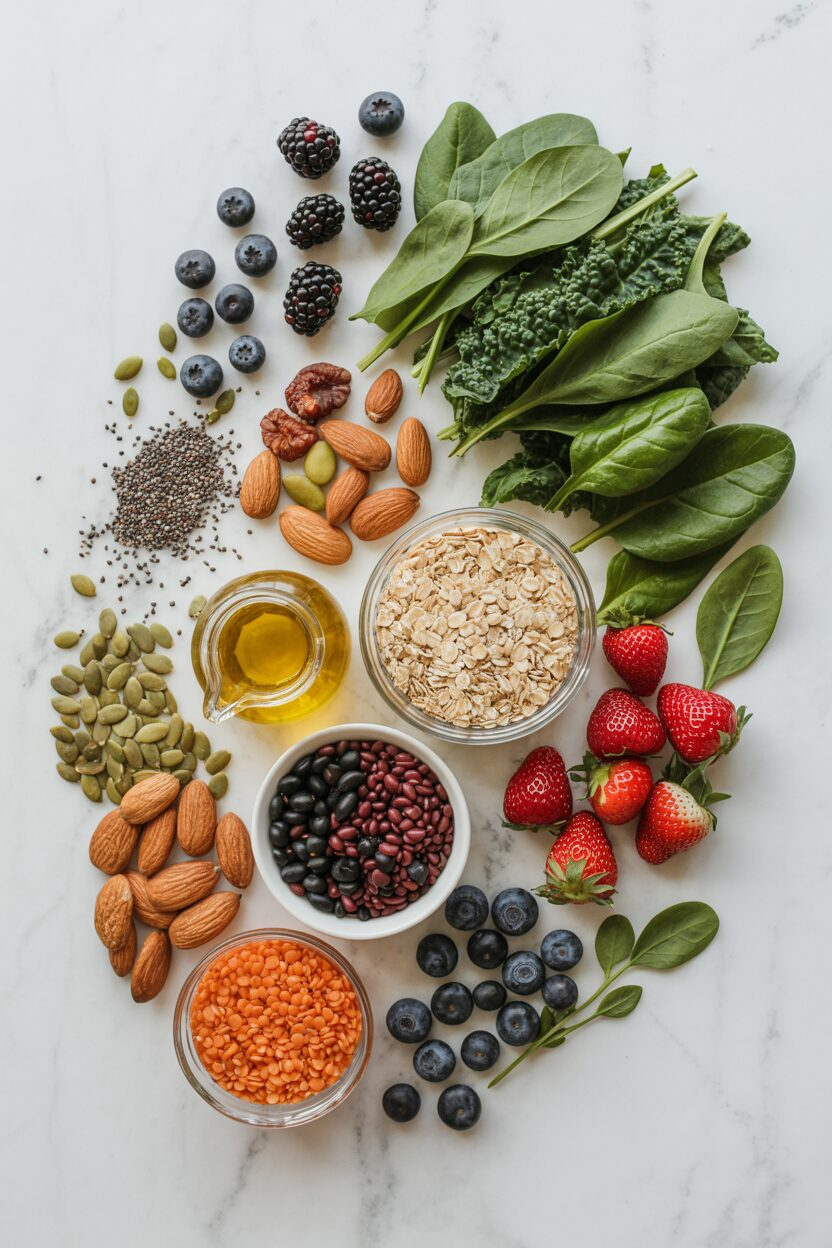
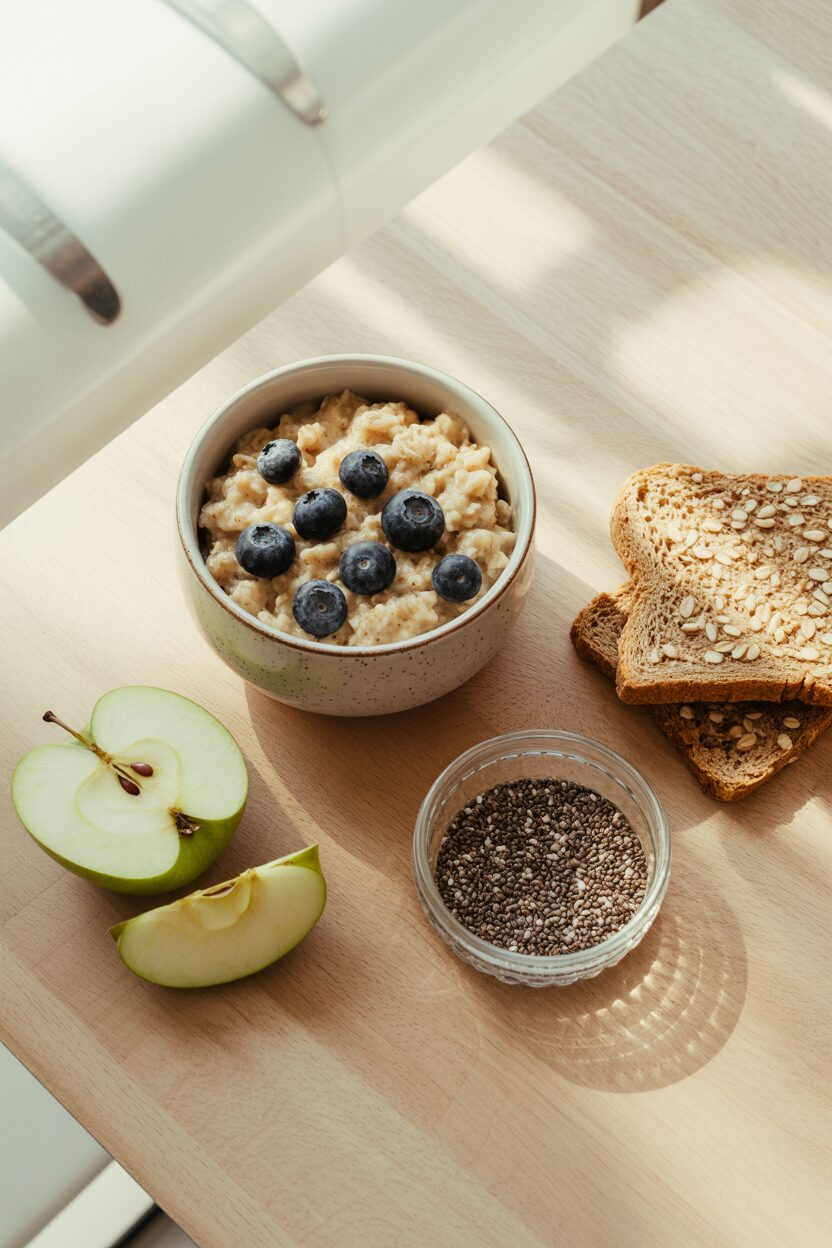
For perspective, 5 grams of fiber looks like one medium apple with the skin on, a half-cup of cooked beans, or two slices of whole-grain bread. These are small, manageable changes that your body can handle much more easily.

Spread Your Fiber Throughout the Day
Another common mistake is loading all your fiber into one meal. Maybe you have a big salad for lunch or a fiber-heavy breakfast bowl, and then wonder why you feel bloated afterward.
Your digestive system handles fiber much better when it’s distributed across meals and snacks. Instead of eating a huge bowl of beans for dinner, try adding a smaller portion to your meal and incorporating fiber-rich foods at other times of the day too.
This approach not only reduces bloating and discomfort but also helps keep your energy levels stable and your digestive system moving smoothly throughout the day.

Don’t Forget the Water
Here’s something that often gets overlooked: fiber needs water to do its job properly. Without adequate hydration, fiber can actually contribute to constipation and bloating rather than relieving it.
As you increase your fiber intake, make sure you’re also drinking plenty of water. A good general guideline is to aim for at least eight glasses of water daily, and even more if you’re very active or live in a hot climate.
The fiber in your digestive system absorbs water and swells, which is how it creates that full feeling and helps move waste through your intestines. If there isn’t enough water available, fiber can’t work its magic effectively.
Choose Your Fiber Sources Wisely
Not all fiber is created equal when it comes to bloating potential. There are two main types of fiber, soluble and insoluble, and they affect your digestive system differently.
Soluble fiber dissolves in water and forms a gel-like substance in your gut. This type is generally easier on your system and less likely to cause gas. You’ll find it in foods like oats, apples, berries, carrots, and sweet potatoes.
Insoluble fiber doesn’t dissolve in water and adds bulk to your stool. While it’s incredibly beneficial for regularity, it can be more gas-producing, especially when you first start eating more of it. Sources include whole wheat products, nuts, seeds, and the skins of fruits and vegetables.
When you’re first increasing fiber, emphasize soluble fiber sources and introduce insoluble fiber more gradually. This strategy can significantly reduce bloating as you build up your tolerance. Also, notice if raw vegetables give you more trouble than cooked vegetables; if so, focus on cooked veggies in the beginning.

Watch Out for High-Gas Foods
Some high-fiber foods are notorious for causing gas, and it’s worth being strategic about how quickly you introduce them. Foods like beans, lentils, Brussels sprouts, broccoli, and cabbage are all wonderfully nutritious and fiber-rich, but they’re also major gas producers.
This doesn’t mean you need to avoid them, just be thoughtful about timing and portion sizes as you’re adjusting. Start with smaller servings, and consider cooking methods that can reduce their gas-producing effects. For example, soaking dried beans overnight and rinsing them well before cooking can help remove some of the compounds that cause gas.
You might also find that certain preparation methods work better for you. Some people tolerate roasted Brussels sprouts better than steamed ones, or find that well-cooked lentils are easier to digest than undercooked ones. But don’t avoid these foods (curciferous vegetables are very important in your diet), just slowly work them in.
Consider Timing and Your Body’s Signals
Pay attention to how your body responds to fiber at different times of day. Some people find that eating a lot of fiber late in the evening leads to overnight bloating and discomfort, while others have no issues.
There’s no universal “right” time to eat fiber, but your own experience will guide you. If you notice patterns, like feeling bloated every time you have a high-fiber breakfast—experiment with shifting some of that fiber to other meals.
Also, listen to your body’s fullness signals. Fiber is filling, which is one of its benefits, but eating past the point of comfortable fullness will almost always lead to bloating, regardless of what you’re eating.

Give It Time and Stay Consistent
Here’s something important to remember: temporary bloating doesn’t mean fiber isn’t working for you. It usually just means your gut is adjusting. For most people, any initial bloating subsides within two to four weeks as your digestive system adapts.
The key is consistency. If you add fiber, experience some bloating, and then drop back to your old eating habits, you’ll never give your gut the chance to adjust. Stay the course with gradual increases and trust the process.
When to Seek Additional Support
While most bloating from increased fiber is normal and temporary, there are times when you might need some extra help. If you’re still experiencing significant bloating after several weeks of gradual increases, or if you have other concerning symptoms like severe pain, changes in bowel habits, or blood in your stool, check in with your healthcare provider.
Some people have conditions like irritable bowel syndrome (IBS) or small intestinal bacterial overgrowth (SIBO) that require more specialized approaches to fiber intake. If this sounds like you, working with a dietitian who specializes in digestive health can be incredibly helpful.
You Got This!
Adding fiber back into your diet doesn’t have to be uncomfortable. The secret is patience and strategy. Start with small increases, spread your fiber throughout the day, stay well-hydrated, and give your body time to adjust. Your gut will thank you, and you’ll be able to enjoy all the amazing benefits of a fiber-rich diet without the bloating.
Remember, building healthier eating habits is a journey, not a race. Be kind to yourself, pay attention to your body’s signals, and celebrate the small wins along the way. You’ve got this!
And once you get used to increasing your fiber intake, don’t forget to get enough protein too!