A Simple, Sustainable Approach to Meeting Your Protein Goals Without the Apps, Scales, or Stress
Let’s talk about protein. I know, I know, everyone is talking about protein these days. But here’s the thing, they’re talking about it for good reason.
Getting enough protein is genuinely one of the most impactful things you can do for your health, your energy, and how you feel in your body, both now and decades from now.
But if the thought of weighing your chicken breast or logging every almond into an app makes you want to give up before you even start, I get it. The good news is that you absolutely do not need to track macros to hit your protein goals. You just need a simple system that works with your real life.
Why Protein Matters (And Why You Should Actually Care)
Before we dive into the how, let’s talk about the why, because understanding this makes prioritizing protein feel purposeful instead of like just another nutrition rule you’re “supposed” to follow.
Protein is the building block of nearly everything in your body that keeps you moving, thinking, and functioning well. Your muscles, bones, skin, hair, hormones, enzymes, and immune cells all rely on adequate protein to do their jobs. When you eat enough protein, you support steadier energy, better appetite control, and a metabolism that works with you rather than against you.
But here’s what really matters as we get older, muscle is your health insurance policy for aging well.
Starting around age 30, we naturally begin losing muscle mass, and that loss accelerates after age 50. This isn’t just about strength or aesthetics, although those are nice bonuses. Muscle mass is directly linked to metabolic health, bone density, balance and fall prevention, independence in daily activities, and even cognitive health.
The most effective way to maintain and build muscle is resistance training paired with adequate protein intake. You need both. Strength training sends the message to your body that muscle is needed, and protein provides the raw materials to maintain and build it. Without enough protein, even consistent workouts won’t deliver the results you’re aiming for.

A Special Note for GLP-1 Users
If you’re taking a GLP-1 medication like Ozempic, Wegovy, Mounjaro, or Zepbound, this part is especially important.
These medications can be incredibly effective for weight loss, but research shows that without intentional effort, a significant amount of muscle can be lost along with fat. Because GLP-1s suppress appetite so effectively, many people naturally eat less overall, and protein intake often drops too low.
Prioritizing protein while using a GLP-1 helps protect your muscle mass during weight loss. That means you’re losing the weight you want to lose, fat, while preserving the tissue that keeps you strong, metabolically healthy, and functional.
Muscle loss while using GLP-1s is not inevitable. There are absolutely things you can do to support muscle maintenance and even growth while losing fat, ensuring your weight loss improves your health rather than compromising it.
The Simple System: Think in Portions, Not Numbers
Here’s your new framework. Instead of counting grams, think in portions.
One palm-sized portion of protein provides roughly 25 to 30 grams of protein. To reach around 100 grams per day, you need about three to four palm-sized portions spread throughout the day.
That’s it. That’s the system.
Your palm works as a measuring tool because it’s always with you and naturally scales to your body size. A larger person has a larger palm. A smaller person has a smaller palm. It’s personalized nutrition without apps or tracking.
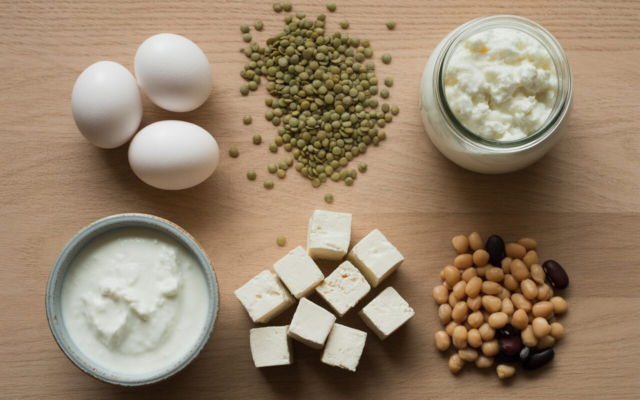
What Does a Palm-Sized Portion (~20-30g protein) Actually Look Like?
Here are some real-world examples to help you recognize these portions in everyday meals.
Animal Proteins
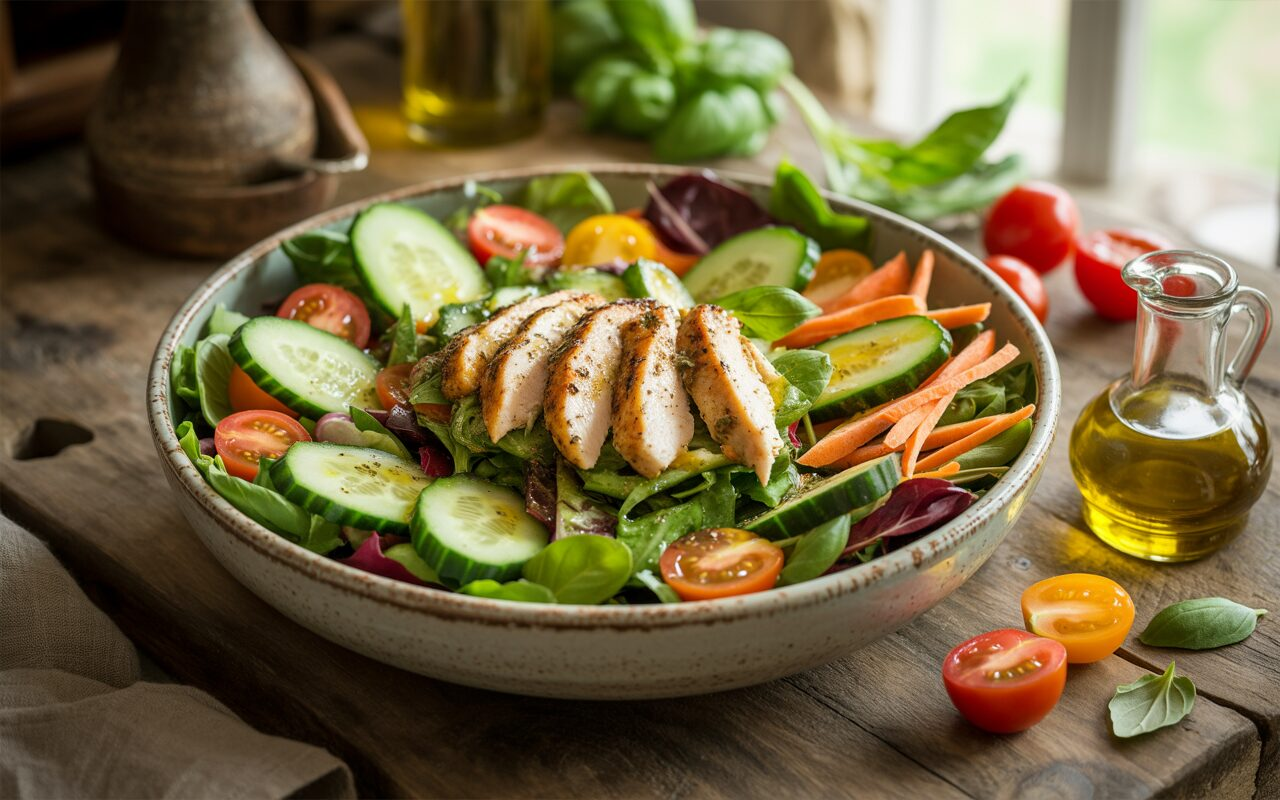
- A chicken breast about the size and thickness of your palm
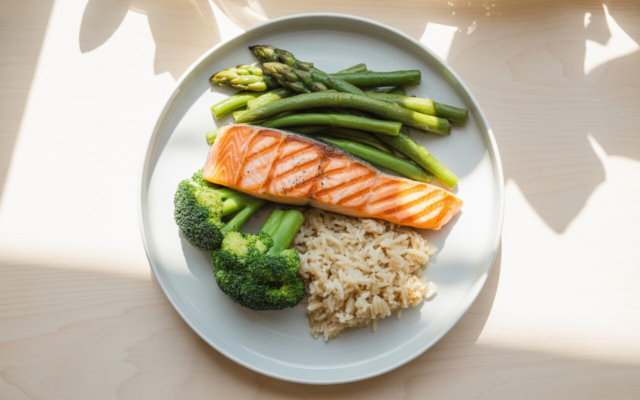
- A piece of salmon or other fish that covers your palm
- A burger patty, roughly 4 to 5 ounces
- Two eggs plus two egg whites
- One cup of Greek yogurt
- One cup of cottage cheese
Plant-Based Proteins
These also provide fiber, which is a bonus.
- One cup of cooked lentils
- One and a half cups of cooked beans such as black beans, chickpeas, or kidney beans
- One cup of edamame
- Six ounces of tofu or tempeh
- A large smoothie with protein powder, where one scoop typically provides 20 to 25 grams
Plant-based proteins usually require slightly larger portions to hit the same protein target, and that’s completely fine. It’s just something to keep in mind if you eat primarily plant-based. (I love my instant pot for making beans)
Building Your Day: The 3–4 Portion Strategy
The easiest way to hit your protein goal without overthinking it is to include a palm-sized portion at each main meal, and add a snack if needed.
Breakfast
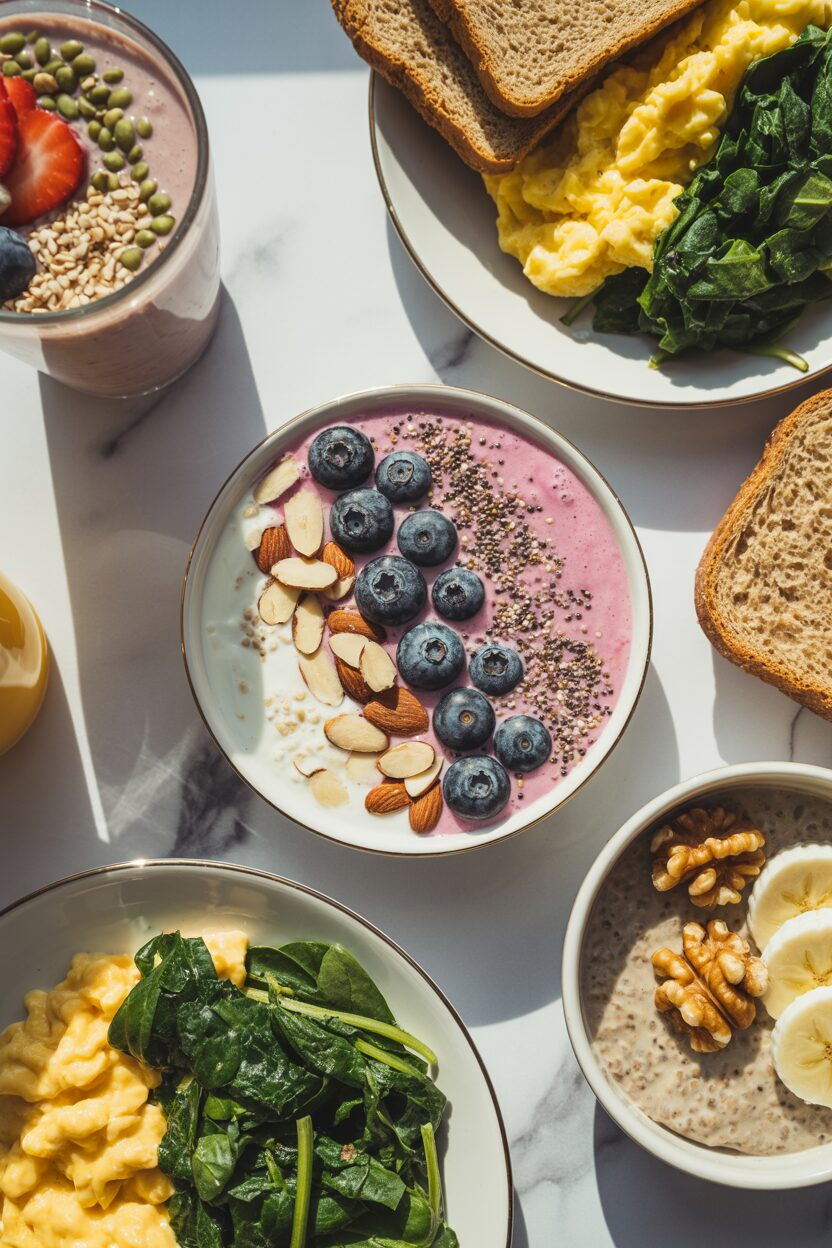
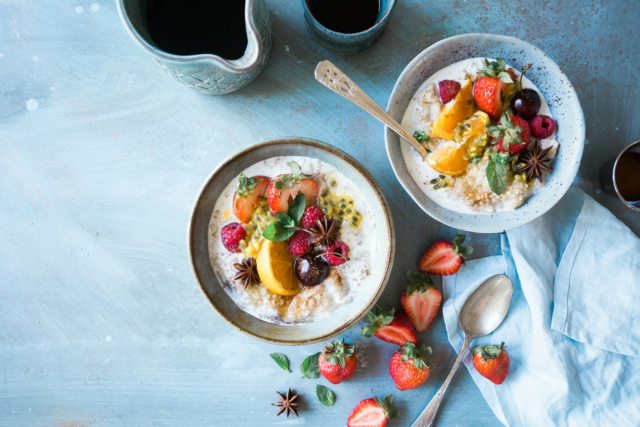
Start strong. This is where many people fall short. Instead of cereal or toast alone, think eggs with toast, Greek yogurt with granola, or a protein smoothie. Getting 25 to 30 grams at breakfast sets you up for better appetite control all day. (Whey protein powder and Vegan Protein Powder)
Lunch
This one is usually the easiest. A turkey sandwich with double meat, a chicken salad, a burrito bowl with chicken or steak, or leftovers from dinner with a protein focus all work well.
Dinner
Aim for another palm-sized portion here. Grilled chicken, fish, lean beef, pork tenderloin, or a hearty bean-based dish if you’re plant-based.
Snack (if needed)
If you’ve had three solid portions and still feel short, add a protein-forward snack. String cheese with nuts, a protein shake, edamame, roasted chickpeas, beef jerky, hard-boiled eggs, or cottage cheese with fruit are all great options.
Making It Even Easier: Habits and Hacks
Once you understand the portion concept, these strategies make consistency much easier.
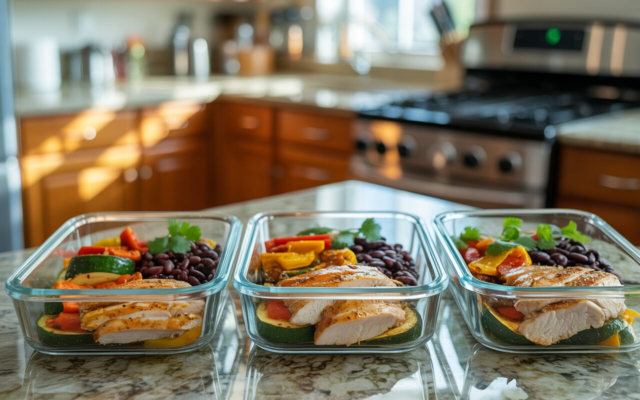
Prep one or two protein sources on the weekend. Grill chicken, boil eggs, or cook a big batch of beans. Having protein ready in the fridge removes the biggest barrier to eating enough. (I love using my instant pot to make a batch of beans quick and easy)
Use protein as your meal-planning anchor. Start with the protein and build the meal around it. “I’m having salmon tonight” is much easier than “what should I make for dinner?”
Double up strategically. Add an extra egg at breakfast, double the meat on your sandwich, or toss chickpeas into your salad. Small additions add up quickly.
Keep easy proteins on hand. Rotisserie chicken, canned tuna or salmon, Greek yogurt, cottage cheese, deli meat, and protein powder are lifesavers on busy days.
Also remember that you can’t really “catch up” on protein. Your body can only use about 25 to 40 grams at a time for muscle building. Eating very little protein all day and then a huge amount at dinner doesn’t work the same way as spreading it out. Distribution matters.
What If You’re Not Hungry for That Much Protein?
This is incredibly common, especially if you’re not used to eating this way.
Here’s the truth. Appetite often follows behavior, not the other way around. As you consistently eat more protein, your body adapts and it often becomes easier.
Protein is also very satiating, which means you may feel less hungry overall, but in a good way. You stay full longer, energy crashes are less common, and those mid-afternoon cravings often fade.
If it feels like too much, start with two palm-sized portions per day and slowly work your way up over a few weeks. Progress over perfection always wins.
The Bottom Line
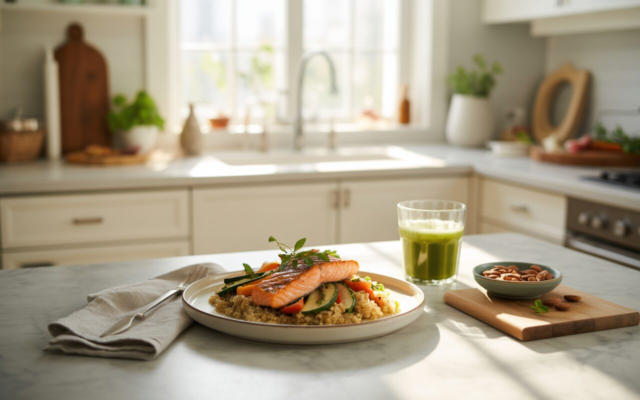
Eating 100 grams of protein per day doesn’t require an app, a food scale, or tracking macros. It requires awareness, a simple visual system, and a little planning.
Think in palms, not grams. Spread protein throughout the day. Make it easy by prepping ahead and keeping simple options available.
Your future self, the one who is strong, energized, and aging with vitality, will thank you for prioritizing this now. And once you get the hang of it, it really does become second nature.
You’ve got this.
Some links in this post are affiliate links, which means I may earn a small commission if you make a purchase, at no extra cost to you. I only recommend products I genuinely use, love, or would recommend to clients.