A Functional Nutrition Approach to Healing Your Gut Naturally
Are you dealing with bloating, constipation, diarrhea, reflux, gas, food sensitivities (especially if that list seems to keep growing), low energy, or that vague “my digestion just isn’t right” feeling? You’re not imagining it. Gut issues are incredibly common, and they rarely have one simple cause.
I see this all the time. Someone comes to me saying they’ve already tried cutting gluten, going dairy-free, taking probiotics, drinking bone broth, adding fiber, removing sugar, or doing some version of a “gut reset.” And yet… they still don’t feel much better.
Here’s the thing. For most people, gut issues (and the inflammation that comes with them) aren’t caused by just one thing. They’re usually the result of multiple issues happening at the same time. And if you don’t address all of them, you might feel temporarily better, but symptoms often come back.
That’s why I love the 5 Rs of gut healing. This framework provides a clear, step-by-step roadmap for healing the gut in a way that actually makes sense. It’s not trendy, it’s not extreme, and it doesn’t rely on guessing. I often use tools like comprehensive stool testing, including the GI-MAP, to guide decision-making so we’re working with real data instead of assumptions.
Let’s walk through it together.
Why a Framework Matters for Gut Healing
One of the biggest mistakes I see is people jumping straight to supplements or superfoods without addressing the root problem. Adding probiotics to an already inflamed gut. Increasing fiber when digestion is sluggish. Spending money on supplements without knowing what’s actually going on inside the body.
The gut is complex. It plays a role in digestion, nutrient absorption, immune function, hormone signaling, inflammation control, and even mental health. When it’s not working well, symptoms can show up far beyond the digestive tract.
The 5 Rs help us support the gut in a logical sequence so healing can actually stick, instead of becoming a frustrating cycle of trial and error.
The 5 Rs of Gut Healing
1. Remove: eliminate what’s irritating or disrupting the gut

You cannot heal a gut that’s constantly being irritated. This step is foundational.
Removing doesn’t mean restriction forever, and it definitely doesn’t mean labeling foods as “good” or “bad.” It means temporarily reducing or eliminating things that are actively driving inflammation, imbalance, or symptoms.
This may include:
- Highly processed foods
- Excess sugar and alcohol
- Inflammatory oils
- Foods you personally don’t tolerate well
For some people, this might mean a temporary or permanent break from gluten or dairy. For others, it could be reducing ultra-processed snacks, sugar-heavy “health foods,” or constant grazing throughout the day.
Removal also includes addressing imbalances in the gut microbiome, such as:
- Pathogenic bacteria
- Yeast or fungal overgrowth
- Parasites
- Imbalances between beneficial and harmful microbes
This is where testing can be incredibly helpful. Rather than guessing or following restrictive food rules forever, stool testing can show what’s actually happening in your gut, including inflammation markers, bacterial balance, and digestive function.
Think of this step as clearing the weeds. You wouldn’t plant a garden without removing the weeds frist.
2. Replenish: support digestion and nutrient absorption
This is one of the most overlooked steps in gut healing, and one of the most important.
Many people have heard the phrase “you are what you eat,” but that’s not entirely true. A more accurate version is you are what you absorb.
You can eat the most nutrient-dense diet imaginable, but if digestion isn’t working properly, your body won’t be able to access those nutrients. Poor digestion can lead to nutrient deficiencies, fatigue, hair loss, muscle loss, blood sugar issues, and ongoing gut symptoms.
Common issues here include:
- Low stomach acid
- Low digestive enzyme output
- Eating too quickly
- Eating while stressed
- Chronic under-eating or long-term dieting
This step focuses on restoring the body’s ability to break down food efficiently so nutrients can actually be absorbed.
Replenishing may include:
- Digestive enzymes, when appropriate
- Supporting stomach acid production, when needed
- Improving meal timing and spacing
- Chewing food thoroughly
- Eating in a calm, relaxed state
Polyphenol-rich foods and bitter foods can also help stimulate digestion. Even something as simple as slowing down at meals and putting your phone away can dramatically improve digestive function.
Digestion starts in the brain, not the stomach. If your nervous system is stressed, digestion will suffer.
3. Reinoculate: restore beneficial gut bacteria

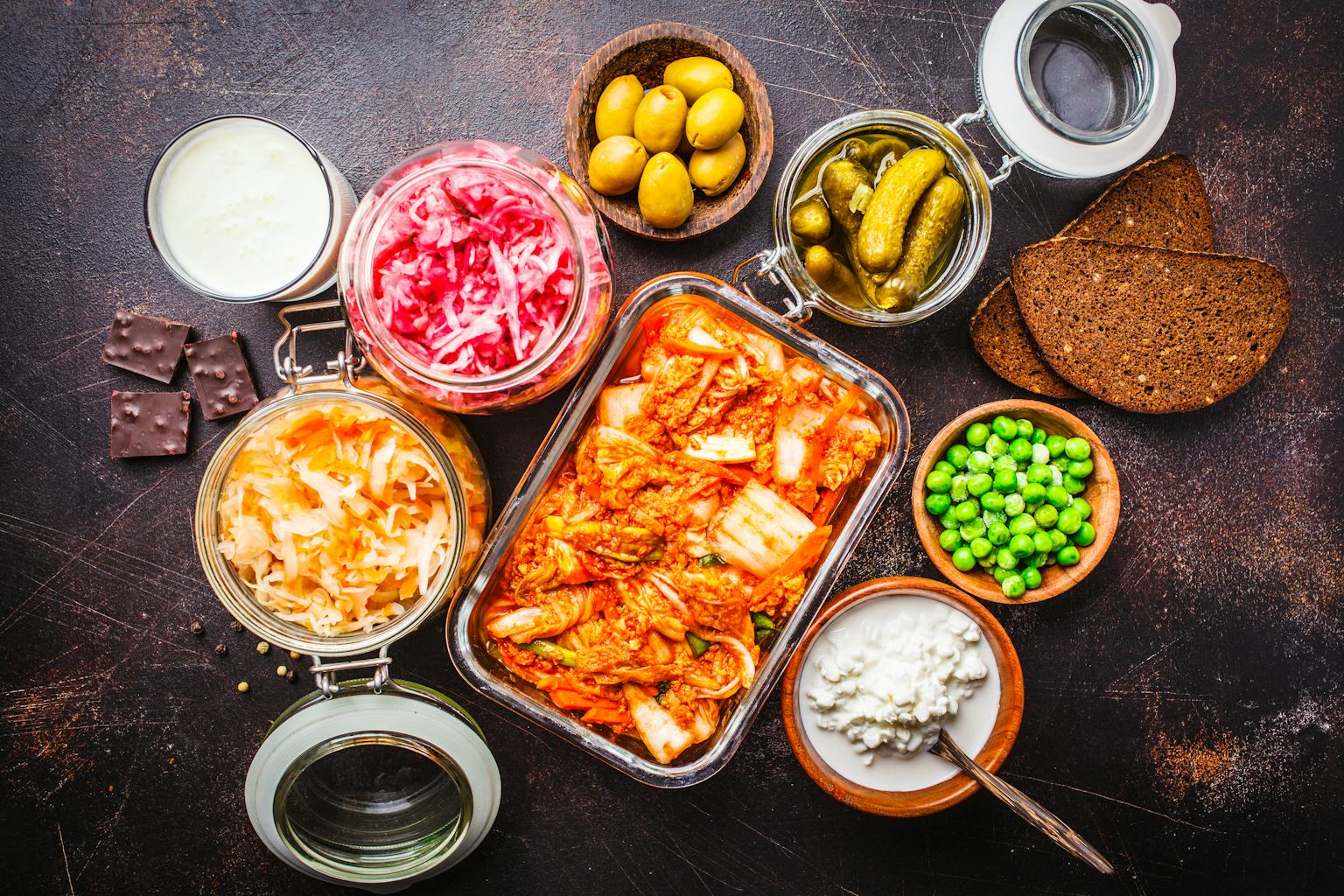
This step focuses on rebuilding a diverse, resilient microbiome. Often, when we add the right beneficial microbes, they naturally help crowd out less helpful ones.
Ways to support reinoculation include:
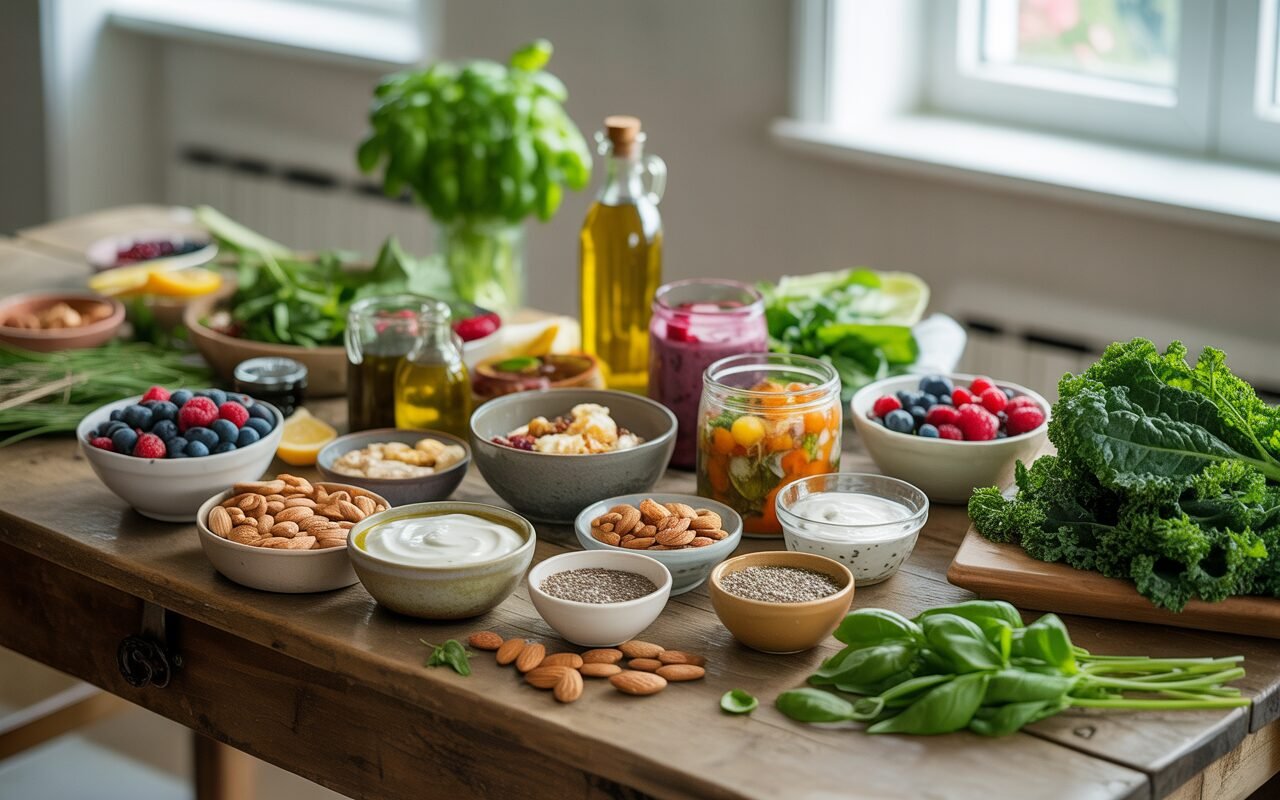
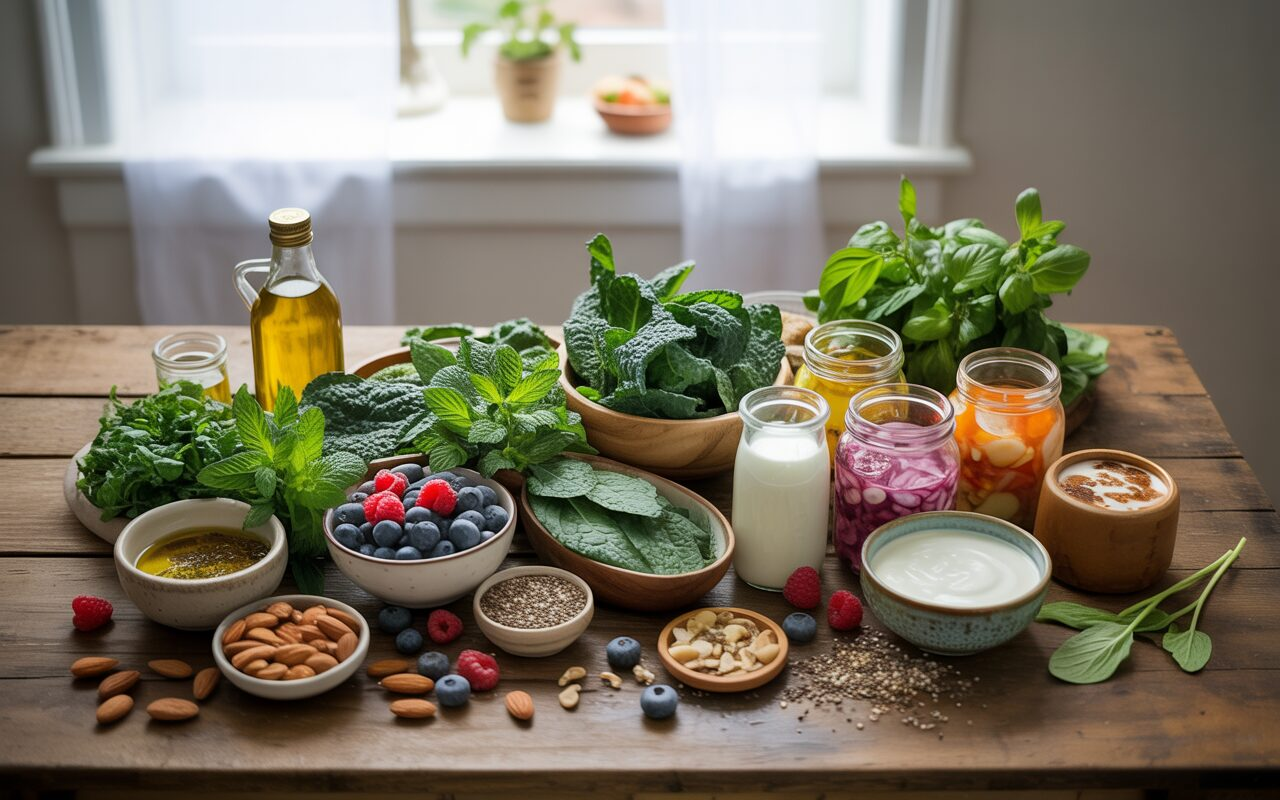
- Fermented foods like yogurt, kefir, sauerkraut, kimchi, miso, and tempeh
- Gradually increasing fiber diversity from whole plant foods
- Targeted probiotic supplements, when appropriate
The goal here isn’t mega doses or taking every probiotic on the shelf. The goal is balance and diversity.
This step should feel gentle. If symptoms flare, it’s often a sign to slow down or revisit earlier steps..
4. Repair: heal and strengthen the gut lining

Your gut lining is only one cell thick. That’s incredible when it’s healthy, and problematic when it’s inflamed or damaged.
Chronic stress, infections, medications, alcohol, inflammatory foods, and gut imbalances can all damage this lining. When the barrier becomes compromised, unwanted substances can pass through more easily, triggering immune responses and inflammation.
Repair focuses on nourishing and rebuilding this barrier so it can become strong and resilient again.
Supportive tools may include:
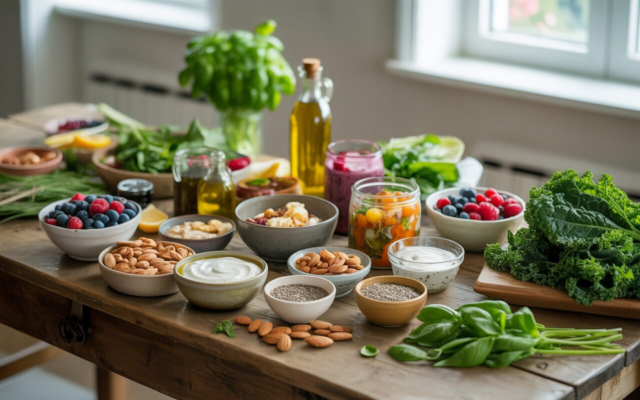
- Polyphenol-rich foods like berries, olive oil, and green tea
- L-glutamine
- Colostrum
- Aloe vera
- Marshmallow root
- Zinc carnosine
This step is often where lasting healing really happens, but it works best when earlier irritation has already been reduced. Repairing the gut while it’s still inflamed is like repainting a wall while the roof is leaking been reduced. Repairing the gut while it’s still inflamed is like repainting a wall while the roof is leaking.
5. Restore and Rebalance: regulate the nervous system

This step is non-negotiable, and it’s often the missing piece.
You cannot heal your gut while living in constant fight-or-flight mode. The gut and brain are deeply connected through the gut-brain axis, and chronic stress directly impacts digestion, motility, inflammation, and the microbiome.
Even with a great diet and supplement routine, a dysregulated nervous system can keep gut symptoms stuck.
Restoring and rebalancing looks like:
- Slowing down at meals
- Taking a few deep breaths before eating
- Gentle movement like walking after meals
- Prioritizing sleep
- Finding relaxation techniques that actually work for you
- Creating moments of calm throughout the day
- Learning how to truly rest
This isn’t about adding more wellness tasks to your plate. It’s about giving your body permission to heal.
When the nervous system feels safe, digestion improves. Blood flow increases to the gut. Enzyme production improves. Motility normalizes. Healing becomes possible!
What Gut Healing Really Looks Like
Gut healing is rarely linear. There may be progress, plateaus, and adjustments along the way. That’s normal.
What matters most is that you stop guessing and start supporting your body intentionally. The 5 Rs give you a structure that allows for personalization without chaos.
If you’ve tried everything and still feel stuck, it doesn’t mean your body is broken. It usually means a step was skipped, rushed, or mismatched to your needs.
Healing your gut naturally is possible, especially when you work with your body instead of fighting it.
Ready for Personalized Gut Support?
If you’re tired of guessing and want a clear plan based on your body, I help clients do exactly that through personalized nutrition support and advanced gut testing.
Whether you’re dealing with chronic digestive symptoms, increasing food sensitivities, or inflammation that just won’t budge, having the right strategy makes all the difference.
👉 Learn more about working with me or exploring gut testing here
Grab my Free Healthy Gut Cheat Sheet:
Some links on this site may be affiliate links, meaning I may earn a small commission if you choose to make a purchase through them, at no additional cost to you. I only recommend products and tools I personally use, trust, or would confidently recommend to clients. Your support helps keep this content free and accessible. Thank you.