
Let’s talk about something that affects every single one of us: stress. Not just the “I have too many emails” kind of stress (though that’s real too), but the deep, lingering stress that lives in our bodies and impacts everything from our digestion to our sleep to how we show up in our relationships.
Here’s what most people don’t realize: your body is incredibly smart. When you’re stressed, your nervous system is actually trying to protect you. The problem? It sometimes gets stuck in protection mode, leaving you feeling anxious, exhausted, or completely overwhelmed. The good news is that you can help your nervous system find its way back to safety and calm.
Today, I’m sharing ten evidence-based practices that can help you regulate your nervous system, manage stress, and start healing from the inside out. These aren’t just feel-good suggestions—they’re backed by science and designed to work with your body’s natural ability to heal.

Understanding Your Nervous System
Before we dive into the tips, let’s quickly cover what we’re working with. Your autonomic nervous system has two main branches: the sympathetic nervous system (your “fight or flight” response) and the parasympathetic nervous system (your “rest and digest” mode). When you’re constantly stressed, your sympathetic system stays activated, keeping you in a state of high alert even when you’re safe.
The goal isn’t to never feel stress—that’s impossible and not even desirable. The goal is to help your body move fluidly between states and spend more time in that restorative parasympathetic mode where healing happens.
1. Try Box Breathing
This simple breathing technique is like a reset button for your nervous system. Box breathing slows your heart rate and helps bring your body out of fight or flight in just a few minutes—which is pretty remarkable when you think about it.
How to do it: Inhale for four seconds, hold for four seconds, exhale for four seconds, hold for four seconds. Repeat this pattern for several rounds. Imagine tracing a square as you breathe—each side represents one part of the breath cycle.
Make it actionable: Practice box breathing before stressful situations (a difficult conversation, a work presentation) or whenever you notice your heart racing or your thoughts spiraling. Try doing it for just two minutes when you first sit down at your desk in the morning or before you walk into your house after work. It’s a small investment with a big return.
2. Practice Mindfulness Meditation
Here’s the thing about meditation: you don’t need to clear your mind. I know that stops a lot of people before they even start. Mindfulness is simply about noticing—your breath, body sensations, or sounds around you. This practice helps your nervous system feel more grounded and present.
How to do it: Sit comfortably and bring your attention to your breath. Notice the inhale and exhale without trying to change anything. When your mind wanders (and it will—that’s completely normal), gently bring your attention back to your breath. Even five minutes counts.
Make it actionable: Start with just three to five minutes a day. Use a timer so you’re not checking the clock. You can do this first thing in the morning, during your lunch break, or before bed. There are also great apps like Insight Timer or Calm if you prefer guided meditations. The key is consistency, not perfection.
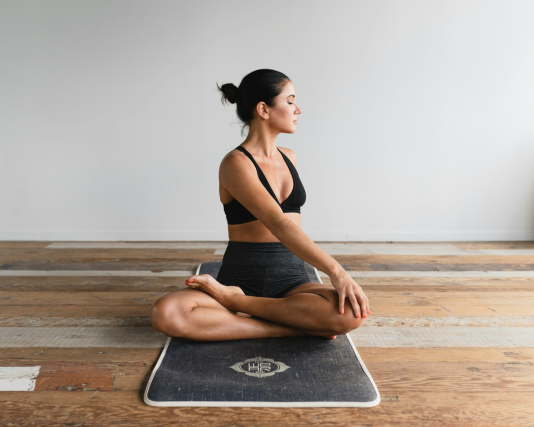
3. Explore Gentle Yoga
Slow, intentional movement combined with breathing helps release stored tension and signals safety to the body, especially when stress has been building for a while. You don’t need to be flexible or fit—gentle yoga is truly for every body.
How to do it: Focus on poses that feel good and movements that connect your breath with your body. Child’s pose, cat-cow stretches, and gentle twists are all wonderful for nervous system regulation. Move slowly and breathe deeply. If something doesn’t feel right, don’t do it.
Make it actionable: Try a ten-minute gentle yoga video on YouTube (search for “gentle yoga for stress” or “restorative yoga”). Or simply do three to five minutes of cat-cow stretches and child’s pose in the morning or evening. The goal isn’t a workout—it’s about moving with intention and creating space in your body for tension to release.

4. Use Progressive Muscle Relaxation
Tensing and then releasing different muscle groups helps your body recognize the difference between tension and relaxation, which is powerful for chronic stress. Many of us hold tension without even realizing it, and this practice brings awareness to those patterns.
How to do it: Start with your feet. Tense the muscles for five seconds, then release and notice the sensation of relaxation. Move up through your body—calves, thighs, glutes, abdomen, chest, arms, hands, shoulders, neck, and face. The contrast between tension and release is what teaches your nervous system to let go.
Make it actionable: Do this lying in bed before sleep or during a midday break. It takes about ten to fifteen minutes for a full body scan. You can also find guided progressive muscle relaxation recordings online if you prefer someone to walk you through it. This is especially helpful if you carry tension in specific areas like your shoulders or jaw.

5. Practice Body Scanning
Slowly bringing attention to each part of your body, without judgment, improves awareness and helps calm the nervous system when emotions feel overwhelming. This is different from progressive muscle relaxation—you’re just noticing, not tensing or changing anything.
How to do it: Lie down or sit comfortably. Starting at your toes, bring your attention to each part of your body, moving slowly upward. Notice any sensations, tension, warmth, coolness, or numbness. You’re not trying to fix or change anything—just observe with curiosity and kindness.
Make it actionable: Try a body scan when you’re feeling emotionally flooded or disconnected from your body. It typically takes ten to twenty minutes. You can do this on your own or use a guided body scan meditation. This practice is particularly helpful for people who tend to live “in their heads” and need support reconnecting with their physical body.
6. Stimulate Your Vagus Nerve Through Humming or Singing
This might sound quirky, but humming, singing, or even chanting stimulates the vagus nerve and can quickly reduce feelings of anxiety or overwhelm. The vagus nerve is like the main communication highway between your brain and body, and activating it helps shift you into a calmer state.
How to do it: Simply hum a tune, sing along to your favorite song, or try “om” chanting if that appeals to you. Feel the vibration in your chest and throat. That physical vibration is what stimulates the vagus nerve and signals safety to your nervous system.
Make it actionable: Hum while you’re cooking dinner, sing in the shower, or play music in your car and sing along during your commute. You can also try humming for one to two minutes when you’re feeling anxious—it’s surprisingly effective and you can do it almost anywhere (even quietly in a bathroom stall if needed). Let yourself be playful with this practice.

7. Use Grounding Techniques
Grounding helps bring you back to the present moment when your mind is spinning with worries or your body feels disconnected. Practices like placing your feet firmly on the floor, naming five things you can see, or holding a textured object help anchor you in the here and now.
How to do it: Try the 5-4-3-2-1 technique: Name five things you can see, four things you can touch, three things you can hear, two things you can smell, and one thing you can taste. Or keep it even simpler—press your feet into the floor and notice the sensation of the ground supporting you. Hold something with texture (a stone, a piece of fabric) and really focus on how it feels.
Make it actionable: Use grounding techniques as soon as you notice anxiety building or dissociation happening. Practice when you’re relatively calm so the technique becomes familiar and accessible during stressful moments. Keep a small textured object in your pocket or bag as a grounding tool you can reach for anytime.

8. Journal to Process Emotions
Writing out thoughts and feelings helps the brain make sense of emotional stress instead of storing it in the body. When we keep everything inside, our nervous system stays activated, constantly processing unresolved emotions in the background.
How to do it: Set a timer for ten minutes and just write. Don’t worry about grammar, spelling, or making sense. This isn’t about creating beautiful prose—it’s about getting thoughts and feelings out of your body and onto paper. Write about what’s stressing you, what you’re worried about, or what you’re feeling.
Make it actionable: Try journaling in the morning to clear your mind for the day ahead, or in the evening to process the day’s events before bed. Keep a notebook by your bed or in your bag. If free-writing feels overwhelming, use prompts like “Right now I’m feeling…” or “What’s taking up the most space in my mind is…” You can also try gratitude journaling, which specifically helps shift your nervous system toward a more positive state.
9. Practice Visualization or Guided Imagery
Imagining a calm, safe place can help shift your nervous system out of stress mode and into a more regulated state. Your brain doesn’t always distinguish between imagined and real experiences, which means visualization can create real physiological changes in your body.
How to do it: Close your eyes and imagine a place where you feel completely safe and peaceful. It could be a beach, a forest, a cozy room, or even somewhere imaginary. Engage all your senses—what do you see, hear, smell, and feel? Spend a few minutes really immersing yourself in this place.
Make it actionable: Use visualization before bed to help your body transition to sleep, or during stressful moments to give yourself a mental break. You can also try guided imagery recordings if you prefer someone to walk you through the visualization. This is particularly helpful for people who have a hard time quieting racing thoughts—giving your mind something specific to focus on can be more effective than trying to think about nothing.

10. Try Self-Soothing Touch
Simple actions like placing a hand on your chest or giving yourself a gentle hug can send powerful signals of safety and comfort to the nervous system. We often underestimate the power of touch, but it’s one of the most primal ways we soothe ourselves and regulate our emotions.
How to do it: Place one or both hands over your heart and take a few deep breaths. Give yourself a hug by wrapping your arms around yourself. Gently stroke your own arm or face the way you would comfort a child. Place your hand on your belly while you breathe. These simple gestures activate your parasympathetic nervous system.
Make it actionable: Use self-soothing touch whenever you’re feeling anxious, sad, or overwhelmed. This is especially powerful combined with kind self-talk—tell yourself what you need to hear. Try placing your hand on your heart and saying “I’m safe,” “I’m doing my best,” or “This will pass.” It might feel awkward at first, but your nervous system will respond to the kindness.
Your Healing Journey Starts Here
Here’s what I want you to remember: you don’t need to do all of these things perfectly or all at once. In fact, trying to implement everything immediately would probably stress you out more, which defeats the purpose.
Start with one or two practices that resonate most with you. Maybe it’s box breathing because you can do it anywhere in just a few minutes, or maybe it’s journaling because you’ve been needing a way to process everything you’ve been holding inside. Trust your instincts about what your body needs right now.
Give yourself at least two weeks of consistent practice before adding something new. This is about building sustainable habits that support your nervous system long-term, not creating another overwhelming to-do list.
Your nervous system has been protecting you, sometimes in ways that no longer serve you. These practices are about teaching your body that it’s safe to relax, safe to heal, safe to feel good. You deserve that kind of peace.
Be patient and compassionate with yourself. Healing isn’t linear, and some days will feel harder than others. That’s completely normal and doesn’t mean you’re doing anything wrong. Some practices will resonate deeply, others might not work for you at all—and that’s okay too. This is your journey.
You’ve got this. And remember, I’m here cheering you on every step of the way.