
A simple, approachable guide to starting a meditation practice—even if your mind won’t stop racing.
I started meditating over 13 years ago—not because I was on some quest for enlightenment or even looking for stress relief (I didn’t realize back then just how anxious I was). I had read an article about the benefits of meditation—like more gray matter in the brain—and thought, why not? What I didn’t expect was how it would become one of my most effective relaxation exercises for stress.
At the time, I was working full time, trying to start a business, had a newborn, and two young kids. A lot was going on. Like most people, I was just doing my thing—worrying about a million things, running on autopilot, and living with a constant low hum of anxiety that felt totally normal. I was happy, but being anxious was my default state. My brain was always jumping ahead to the next worry.
Still, I decided to give it a try. I sat down, closed my eyes, and focused on my breath. Which, honestly, is harder than it sounds—because a busy mind likes being busy. It wants to go into default mode.
But I kept it simple:
Inhale… exhale…
Nothing fancy. Just breathing.
And then I did it again the next day. And again.
Eventually, I started visualizing calm places (usually water—always water), or seeing colors behind my eyes, or repeating a simple mantra in my head. Over time, something unexpected happened: I started craving that stillness. The quiet. The simplicity of just being. And without even realizing it, something in me began to shift.
I didn’t suddenly become a different person. Actually, I’m still me—just calmer, more grounded, more confident. It’s like I’m the same person, just with the dust knocked off. I still worry, I still spiral sometimes. But I’ve found a kind of peace I never had before.
Once you touch your soul, you can’t unfeel it.
These days, my practice has evolved. Sometimes I’m more consistent than others. But most mornings, you’ll still find me on my meditation pillow—sometimes for five minutes, sometimes thirty, but usually around ten. And I swear it’s one of the most powerful things I do for my mental health and well-being.
When I notice I’m getting short, anxious, or just generally wrapped around the axle, it’s almost always because I’ve let my practice slide. Meditation is like brushing your teeth—but for your nervous system.
So if you’ve ever thought, “I could never meditate, my brain never stops,” let me tell you—that’s exactly why you should start. And it doesn’t have to be hard.
Why Meditation Works for Stress and Anxiety
If you’ve been looking for relaxation techniques that actually help you feel calmer (without needing a weekend retreat or a 90-minute yoga class), meditation is your secret weapon. It’s accessible, free, and incredibly effective for managing stress, lowering cortisol, and even reducing anxiety over time.
Practicing meditation regularly becomes a kind of internal reset button—one that teaches your body how to relax even when life gets loud.
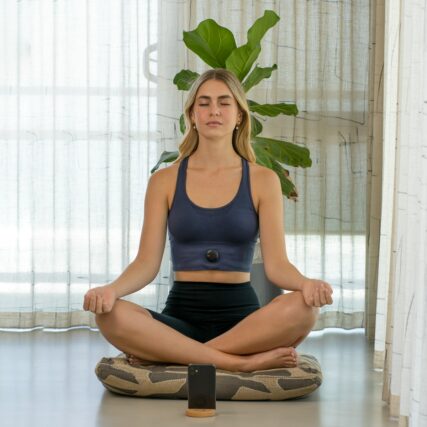
How to Start Meditating: A Simple Beginner’s Guide
You don’t need a guru. You don’t need an app (though they can definitely help). You don’t even need to sit perfectly still or “turn off” your mind. What you do need is a little intention, a bit of willingness, and a few quiet moments to yourself.
Meditation is one of the simplest—and most effective, relaxation techniques for stress management. It teaches you how to pause, breathe, and respond instead of react. And the best part? You don’t need an hour a day to feel the benefits. Just a few minutes of practicing mindfulness each day can help shift your nervous system into a more relaxed, grounded state.
Step 1: Keep it ridiculously simple.
Meditation doesn’t have to look a certain way. You don’t need incense, a spiritual playlist, or to sit cross-legged like a yoga master on a mountain. You just need a few quiet minutes and a place to land.
Find somewhere you can sit comfortably and won’t be interrupted—this could be your bedroom, a corner of your living room, your porch, even your parked car. You can sit on a meditation pillow (my personal favorite—it really helps your posture and makes the whole thing feel intentional), or just grab a folded blanket or a chair. No need to overthink it.
Once you’re settled, close your eyes or lower your gaze. Let your hands rest in your lap. Then start to bring your attention to your breath.
Inhale slowly.
Exhale slowly.
Repeat.
You don’t have to breathe a certain way. Just notice your breath moving in and out. That gentle, natural rhythm is your anchor. Let everything else drop away for just a moment.
Now, here’s the part that throws people: Your mind will wander. That doesn’t mean you’re doing it wrong. That is the work.
Your brain is used to being “on”—making lists, reliving conversations, worrying about stuff that may or may not happen. When you notice you’ve drifted off into a thought, just gently say to yourself, “Back to the breath,” and bring your attention back. That moment of noticing and returning? That’s the muscle being built.
You’re not trying to eliminate thoughts—you’re learning to observe them without getting caught up in them. And with time, that awareness starts to bleed into the rest of your life. You become less reactive. More calm. More able to pause before spiraling.
And the best part? There’s no wrong way to do it. You can’t fail at breathing. You’re not trying to win meditation. You’re just practicing presence.
So, no judgment. No pressure. No perfection needed.
Just sit. Breathe. Begin.
Step 2: Set a Timer
When you’re just getting started, it’s easy to overthink how long you “should” meditate. My advice? Start small—like, really small. Just 3 to 5 minutes is perfect in the beginning. That may not sound like much, but if you’re not used to sitting quietly with your thoughts, five minutes can actually feel pretty long at first.
Setting a timer helps take the pressure off. You’re not sitting there wondering, “Has it been long enough?” or “How much more of this do I have to do?” You just set it and forget it. When the timer goes off, you’re done. That’s the practice for the day. Gold star.
Most of the time, I meditate for about 10 minutes, and that’s my sweet spot. On days when I’m feeling extra frazzled or have more time, I might go longer, 20 or even 30 minutes, but I’ve built up to that over time. You don’t need to start there.
If you like a little more structure or guidance (totally normal), meditation apps are a great tool. A few of my favorites:
- Insight Timer – My go-to. Tons of free guided meditations, a customizable timer, music, talks, even courses. It’s got everything, and the free version is super generous.
- Calm – Great for beginners, especially if you’re working on sleep, stress relief, or anxiety. Their Daily Calm meditations are lovely.
- Headspace – Fun, approachable, and super beginner-friendly. It walks you through how and why meditation works, which is helpful if you like to know the “why” behind things.
Try a few and see what feels good. Or skip the tech and just set the timer on your phone. No rules here—just what works for you.
Step 3: Try Different Styles and See What Resonates
A lot of people think meditation just means sitting silently and trying not to think. (Spoiler: that’s not it.) There are actually lots of ways to meditate, and the best kind is the one that works for you—your personality, your energy, your season of life.
You don’t have to pick a style and commit forever. In fact, I encourage you to experiment. Meditation is a practice, not a performance. Let it be flexible and supportive, not another thing you’re “supposed to do” perfectly.
Here are a few common types to explore:
- Mindfulness Meditation
- This is the one most people think of. You focus on the present moment—often using your breath, body sensations, or ambient sounds as your anchor. When your mind wanders, you gently bring it back. This style is wonderful for calming mental chatter, improving focus, and grounding yourself.
- Loving-Kindness (Metta) Meditation
- In this style, you silently repeat phrases of goodwill toward yourself and others. Things like: “May I be safe. May I be healthy. May I be at ease.” Then you extend that same kindness to others—friends, strangers, even people you find challenging. It’s beautiful for softening self-judgment, boosting compassion, and healing emotional stress.
- Body Scan Meditation
- You slowly bring awareness to each part of your body, from head to toe. This is great for relaxation, stress release, and reconnecting with your physical self. It’s also helpful if you tend to live in your head (hi, yes, same).
- Guided Visualization
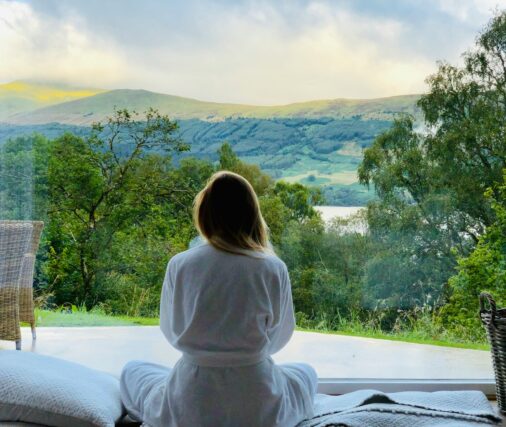
- You use imagery to take your mind to a peaceful place—like a quiet beach, a cozy cabin, or a forest trail. This style is grounding and calming, especially if you’re a visual thinker. It’s great when you need a little escape without leaving your couch.
- Mantra Meditation
- You repeat a word, phrase, or sound—silently or out loud—to help keep your mind centered. This could be something spiritual or something simple like “peace” or “let go.” It gives your busy brain something to focus on, and can create a calming rhythm.
You can try a new one each week, or switch things up depending on what you need that day. Feeling anxious? Try mindfulness or a body scan. Feeling disconnected? Go with loving-kindness. Feeling overwhelmed or working towards goals? Visualization might be your best friend.
There’s no need to lock yourself into a single approach. Let it evolve with you. The most important thing is to show up, sit down, and give yourself the gift of stillness, even for just a few minutes.

A Few Final Thoughts
If you take nothing else from this, take this: Just begin. Where ever you are now is exactly right.
Meditation isn’t about having a perfectly still mind. It’s about noticing when your mind wanders and practicing the return. That’s where the magic is. That’s the rep that makes the difference.
And yes, even just a few minutes a day can be life-changing.
(For me, 10 minutes is the sweet spot. Would more be better? Possibly. But 10 minutes helps me reset, calm down, and carry that peace into my day. And it doesn’t feel overwhelming.)
So if you’re feeling anxious, frazzled, overwhelmed—or just need a little more space in your head—start here.
Right now: Sit down, Settle In and Breathe.
You’ve got this. ✨