If your digestion feels a bit off after the holidays, you’re not imagining things. Bloating, constipation, loose stools, heartburn, gas, fatigue, and that general sense that your gut is upset are all very common right now.
And no, it’s not because you “fell off the wagon” or “lost your discipline.”
The holidays create a mix of things that can upset your gut. Changes in what you eat, your routine, sleep, stress, alcohol, and travel all happen together. Even people with usually strong digestion can notice the difference.
The good news is that your gut isn’t broken. It’s just reacting to temporary stress, and with some support, it usually returns to normal.
Let’s look at why your gut feels off after the holidays, what’s happening in your body, and most importantly, what really helps—without harsh detoxes or strict rules.
Why Holiday Habits Hit Your Gut So Hard
1. Your routine disappears (and your gut notices)
Your digestive system loves rhythm. Regular meal times, consistent sleep, and predictable movement help regulate stomach acid, digestive enzymes, gut motility, and bowel movements.
During the holidays, that routine often disappears.
Meals might be later or skipped, sleep can be shorter or broken up, and you may move less. When this happens, digestion slows, food stays in your gut longer, and you’re more likely to feel bloated or constipated.
This is especially true if you’re already prone to IBS, reflux, or sluggish digestion.
2. More rich foods doesn’t mean “bad,” but it does change digestion
Holiday foods usually have more fat, sugar, salt, and refined carbs. These aren’t bad on their own, but your body digests them differently than your usual meals.
Meals with more fat slow down how quickly your stomach empties, so food stays there longer. This can make you feel fuller, cause reflux, or even nausea. Eating more sugar can draw extra water into your intestines, which may lead to loose stools or bloating. Less fiber means smaller stools and less food for good gut bacteria.
This isn’t about judging your choices. It’s simply how your body works.

3. Alcohol impacts your gut more than you think
Alcohol is a big one. Even moderate intake can irritate the gut lining, alter gut bacteria, increase intestinal permeability, and worsen reflux.
Alcohol also disrupts sleep and hydration, both of which directly affect digestion and bowel regularity.
If your gut feels inflamed, sensitive, or unpredictable after the holidays, alcohol is often a major contributor.
4. Stress changes how your gut functions
Holidays can be joyful and stressful at the same time. Family dynamics, travel, finances, social obligations, and end-of-year pressure all activate the nervous system.
When you’re in a stress response, blood flow shifts away from digestion. Stomach acid, enzymes, and gut motility all decrease. This can lead to bloating, cramping, constipation, or diarrhea.
Your gut and nervous system are deeply connected. You cannot “diet” your way out of stress-related digestive symptoms.
5. Travel throws off gut motility
Planes, cars, long drives, time zone changes, dehydration, and altered bathroom routines all slow digestion. Constipation after travel is extremely common.
If you’re feeling backed up or uncomfortable post-holidays, travel is often the missing piece. (Check out my Happy Gut Travel Guide)

What Actually Helps Your Gut Reset (Without a Detox)
Let’s be very clear: your gut does not need a cleanse, fast, juice detox, or extreme elimination plan.
What it needs is gentle consistency.
Here’s what actually works.
1. Re-establish regular meals (even if they’re simple)
Skipping meals or “waiting until you’re hungry enough” often backfires after the holidays. Irregular eating increases blood sugar swings and can worsen bloating and reflux.
Aim for three balanced meals a day, even if they’re basic.
Think:
- Protein
- Fiber-rich carbohydrates
- Healthy fats
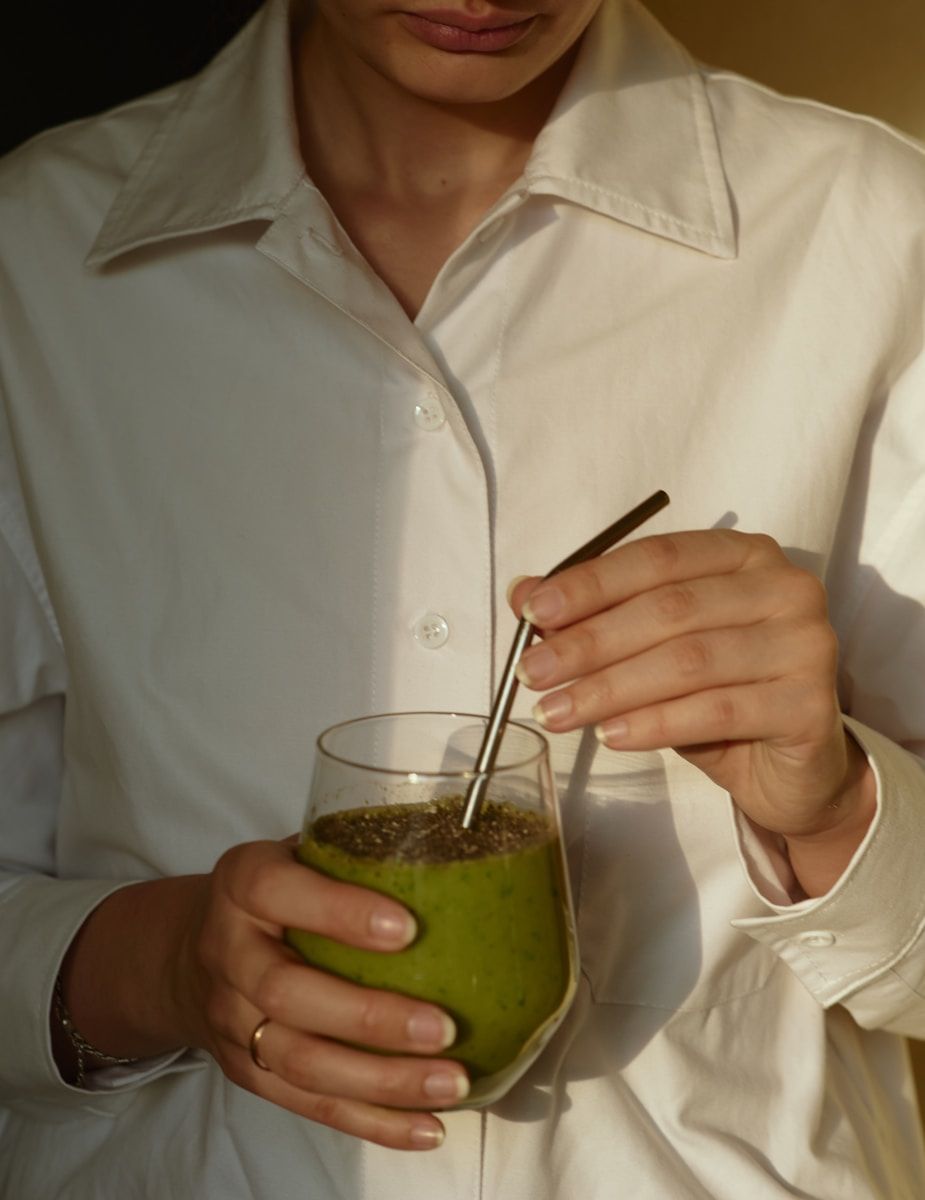
Simple meals are better than perfect meals. A bowl of eggs, toast, and fruit does more for digestion than a green smoothie you don’t actually want.
2. Prioritize fiber, but ease back in
Many people dramatically reduce fiber during the holidays, then jump straight into raw salads and smoothies in January. That sudden increase can actually worsen bloating and gas.
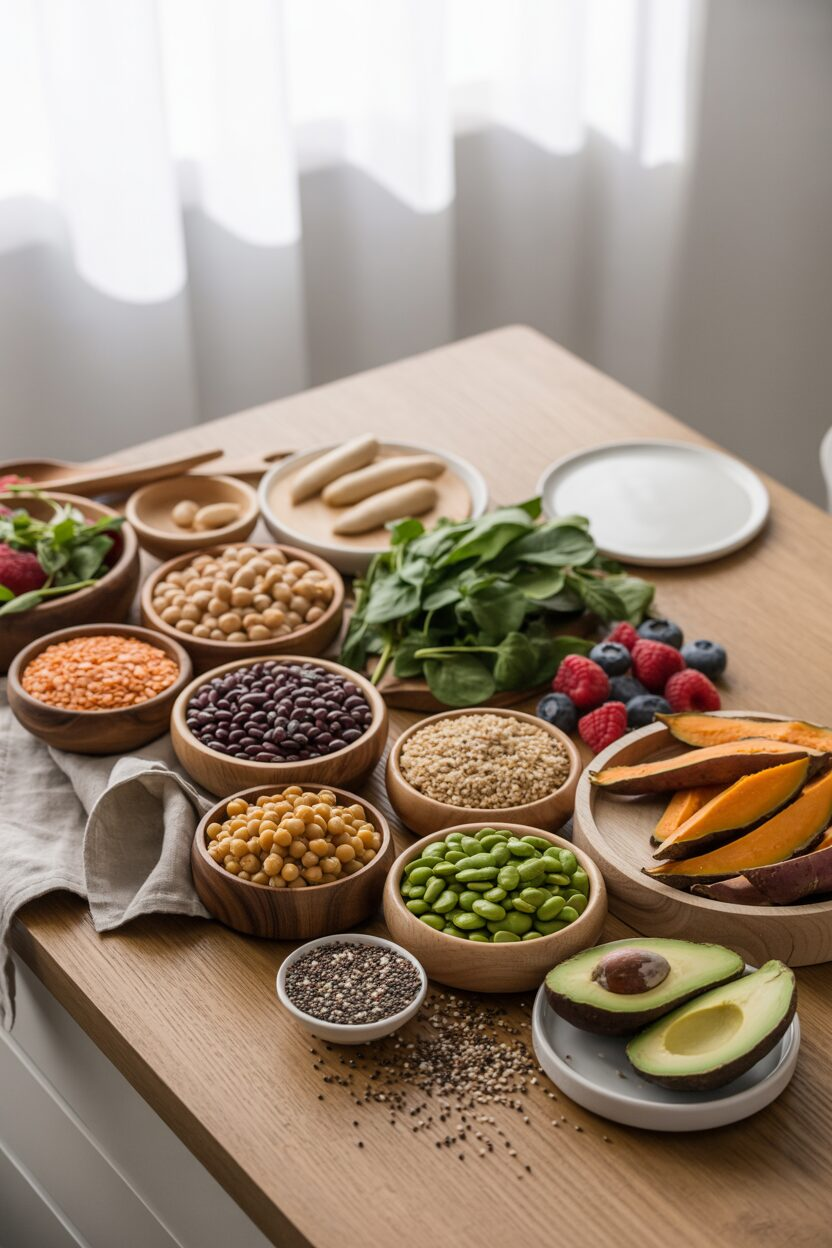
Start with gentle, cooked fiber:
- Oats
- Rice
- Potatoes
- Roasted vegetables
- Soups and stews
- Bananas, berries, and peeled apples
Gradually increase raw veggies, legumes, and higher-fiber foods over one to two weeks.
Consistency matters more than quantity.
3. Hydration is boring but powerful
Dehydration slows digestion and hardens stool. Alcohol, salty foods, travel, and caffeine all increase fluid needs.
Aim for steady hydration throughout the day rather than chugging water at night.
Adding electrolytes or a pinch of salt and citrus can help fluids actually absorb, especially if constipation is an issue. And don’t underestimate the importance of keeping a water bottle handy to remind you to drink

4. Support digestion with warmth and movement
Warm foods and gentle movement stimulate digestion.
Helpful options:
- Warm breakfasts instead of cold smoothies
- Herbal teas like ginger or peppermint
- A 10 to 15 minute walk after meals
- Light stretching or yoga
You do not need intense workouts to “burn off” the holidays. Overdoing exercise while under-fueled can increase stress on the gut.
5. Dial back alcohol for a bit (without making it dramatic)
You don’t need to swear off alcohol forever. Giving your gut a break for a couple of weeks can significantly reduce inflammation, reflux, bloating, and irregular stools.
If you do drink, keep it minimal, hydrate well, and avoid drinking on an empty stomach.
6. Regulate your nervous system, not just your food
If your gut feels unpredictable, tight, or reactive, stress is likely playing a role.
Simple nervous system support can be surprisingly effective:
- Eating without screens
- Taking a few deep breaths before meals
- Going to bed 30 minutes earlier
- Gentle morning light exposure
- Reducing caffeine temporarily if anxiety is high
Digestion works best in a calm state. This is not about “relax more,” it’s about creating small signals of safety for your body.
7. Supplements can help, but be cautious.
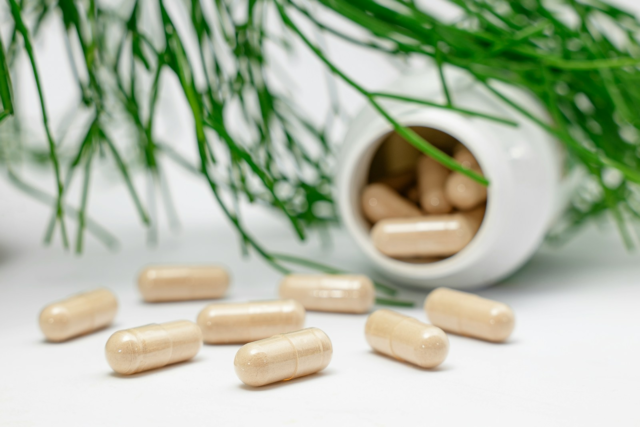
This is the time of year people throw probiotics, digestive enzymes, magnesium, and random gut supplements at the problem.
Sometimes these help. Sometimes they make symptoms worse.
If your gut feels inflamed or sensitive, more is not always better. Supplements should be targeted and appropriate for your symptoms.
- Probiotic – supports gut bacteria balance and regular digestion
- Magnesium – helps with constipation, relaxation, and gut motility
- DigestZen (or a gentle digestive enzyme blend) – supports breakdown of heavier meals and reduces bloating
- Ginger – helps with nausea, bloating, and sluggish digestion (I love these Ginger, tumeric lemon shots)
- Omega-3s – support gut and whole-body inflammation balance
- Turmeric – additional inflammation support
- L-Glutamine – supports gut lining repair for some people
If bloating or discomfort worsens after adding supplements, that’s useful information. Reach out if you need help!
When Post-Holiday Gut Issues Might Need Extra Support
For most people, digestion improves within two to four weeks of returning to normal routines.
You may want additional support if:
- Symptoms persist beyond a month
- You have ongoing pain, reflux, or diarrhea
- Constipation doesn’t respond to hydration and fiber
- You feel inflamed, fatigued, or reactive to many foods
- You’ve had long-standing gut issues that flare every holiday season
That’s often a sign there’s something deeper going on, not that you failed at “resetting.”
Reachout if you need extra support!
Finally
Your gut feeling off after the holidays is not a personal failure. It’s a predictable response to disrupted routines, stress, and temporary changes in food and sleep.
You don’t need punishment or restriction. You need nourishment, rhythm, and nervous system support.
Small, steady shifts are far more powerful than extreme plans.
If you’re tired of guessing what your gut needs and want personalized, root-cause support, this is exactly the work I do with clients. Together, we focus on restoring digestion, reducing inflammation, and helping your body feel safe and supported again.
Your gut doesn’t need fixing. It needs consistency, care, and time.
And yes, it really can feel better again.