Your gut health affects everything from your immune system to your mood, energy levels, and even your skin. While probiotic supplements have their place, getting probiotics from whole foods offers additional benefits like vitamins, minerals, and fiber that work together to support your digestive system.
In this comprehensive guide (some are even new to me!), you’ll discover 30 delicious probiotic-rich foods that can transform your gut health, along with practical ways to incorporate them into your daily meals. Whether you’re dealing with digestive issues, looking to boost your immunity, or simply want to feel your best, these fermented and cultured foods can make a significant difference.
What Are Probiotics and Why Do They Matter?
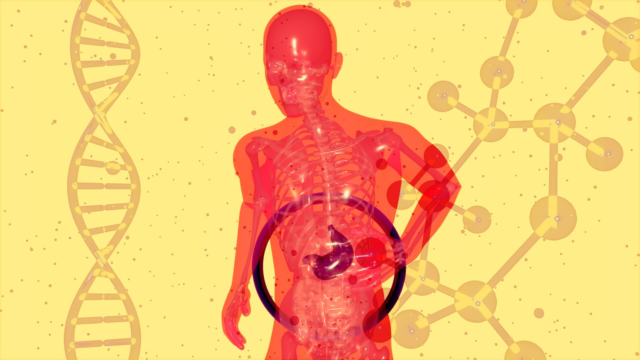
Probiotics are live beneficial bacteria and yeasts that support the trillions of microorganisms living in your digestive tract. This community of bacteria, known as your gut microbiome, plays a crucial role in:
- Digesting food and absorbing nutrients – Certain probiotics help break down fiber and produce essential vitamins like B12 and K2
- Supporting immune function – Approximately 70% of your immune system resides in your gut
- Producing neurotransmitters – Your gut bacteria manufacture serotonin, dopamine, and other mood-regulating chemicals
- Reducing inflammation – A healthy gut microbiome helps regulate inflammatory responses throughout your body
- Protecting against harmful bacteria – Beneficial bacteria compete with pathogens for space and resources
- Maintaining the gut barrier – Probiotics support the intestinal lining that prevents toxins from entering your bloodstream
When your gut microbiome is balanced, you typically experience better digestion, more consistent energy, clearer thinking, and a stronger immune response. An imbalanced gut, on the other hand, can contribute to bloating, irregular bowel movements, food sensitivities, frequent illness, brain fog, and chronic inflammation.
The Best Probiotic Foods vs. Supplements
While probiotic supplements can be helpful in specific situations, whole food sources offer distinct advantages:
Probiotic-rich foods provide:
- Multiple strains of beneficial bacteria working in synergy
- Prebiotic fiber that feeds your gut bacteria
- Additional nutrients like protein, calcium, and B vitamins
- Natural packaging that protects probiotics through digestion
- Cost-effective nutrition compared to high-quality supplements
When to consider supplements:
- After a course of antibiotics
- During travel, to prevent digestive upset
- If you have specific digestive conditions requiring targeted strains
- When recovering from food poisoning or stomach bugs
- You have tried adding fermented foods and need a little more support.
The ideal approach combines probiotic-rich foods as your foundation with targeted supplements when needed for specific health concerns. My philosophy is to always start with food first and then add supplements. No one does it better than Mother Nature.
*if you incorporate these probiotic foods and it makes you feel worse, you might have some dysbiosis that is causing a reaction, in which case, contact a functional medicine or nutrition provider to help you with this (I can help with this, fill out this interest form here)
30 Probiotic-Rich Foods for Optimal Gut Health
Fermented Dairy Products
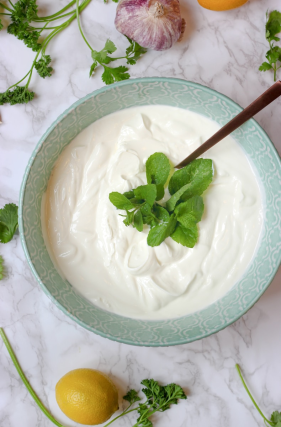
1. Greek Yogurt
Greek yogurt contains live active cultures, including Lactobacillus bulgaricus and Streptococcus thermophilus. Look for labels that say “contains live and active cultures” and avoid varieties with added sugars.
How to enjoy it: Top with berries and a drizzle of honey for a high-protein probiotic breakfast, or use it as a base for smoothies and creamy salad dressings.
2. Kefir
This drinkable fermented milk contains up to 61 different strains of bacteria and yeasts, making it one of the most diverse probiotic sources available. Kefir has a tangy, slightly effervescent taste.
How to enjoy it: Drink it plain, blend it into smoothies, or use it in place of buttermilk in baking recipes. Start with small amounts if you’re new to kefir, as it’s quite potent.
3. Cottage Cheese
Not all cottage cheese contains live cultures, so check labels for varieties that specifically mention probiotics. Cottage cheese provides both protein and calcium along with beneficial bacteria. (I like the Good Culture brand)
How to enjoy it: Mix with fresh fruit and cinnamon for breakfast, use as a protein-rich toast topping, or blend into lasagna for extra creaminess.
4. Aged Cheese
Certain aged cheeses like Gouda, cheddar, Swiss, and parmesan contain probiotics that survive the aging process. The longer the aging period, the more pronounced the probiotic benefits.
How to enjoy it: Pair with fruit and nuts for a balanced snack, grate over roasted vegetables, or enjoy with whole grain crackers.
5. Buttermilk
Traditional buttermilk (not the cultured kind made from leftover butter) contains beneficial bacteria. Look for varieties labeled as containing live cultures.
How to enjoy it: Use in pancake and waffle batters, make creamy salad dressings, or drink it plain with a pinch of salt for a traditional probiotic beverage.
6. Sour Cream
Like yogurt, sour cream can contain live active cultures if it hasn’t been heat-treated after fermentation. Check labels to ensure you’re getting the probiotic benefits.
How to enjoy it: Use as a topping for baked potatoes or tacos, mix into dips, or stir into soups just before serving for added creaminess.
Fermented Vegetables
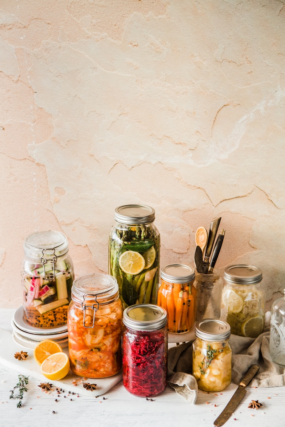
7. Sauerkraut
This fermented cabbage is rich in Lactobacillus bacteria and provides vitamin C, vitamin K, and fiber. Raw, unpasteurized sauerkraut contains the most probiotics—look for it in the refrigerated section. (I love the Pickled My Olive Brand)
How to enjoy it: Add to sandwiches and wraps, serve alongside proteins, or mix into grain bowls for a tangy crunch.
8. Kimchi
This Korean staple combines fermented napa cabbage with radishes, garlic, ginger, and chili peppers. Kimchi provides probiotics along with vitamins A and C, and compounds that may support immune function. (HERE)
How to enjoy it: Eat it as a side dish, stir into fried rice or noodles, top eggs, or add to grilled cheese sandwiches for a flavor boost.
9. Fermented Pickles
Pickles made through lacto-fermentation (not vinegar brining) contain probiotics. Look for naturally fermented pickles in the refrigerated section, not shelf-stable varieties. (HERE)
How to enjoy it: Enjoy as a crunchy snack, chop into tuna or chicken salad, or add to burgers and sandwiches.
10. Fermented Carrots
Lacto-fermented carrots maintain their crunch while developing a tangy flavor and probiotic content. They’re easier to digest than raw carrots and provide beta-carotene. (HERE)
How to enjoy it: Snack on them straight from the jar, add to salads, or serve as a colorful side dish.
11. Fermented Beets
Fermented beets offer probiotics plus betalains, which are compounds with anti-inflammatory properties. The fermentation process makes their nutrients more bioavailable. (HERE)
How to enjoy it: Dice and add to salads, blend into hummus for a vibrant pink dip, or enjoy alongside roasted meats.
12. Fermented Green Beans
These crunchy probiotic vegetables are often called “dilly beans” when fermented with dill. They provide fiber, vitamins, and beneficial bacteria. (HERE)
How to enjoy it: Eat as a snack, chop into potato salad, or serve as part of an antipasto platter.
Fermented Soy Products
13. Miso
This Japanese paste made from fermented soybeans, salt, and koji contains probiotics along with all nine essential amino acids. Different varieties offer different flavor profiles, from mild white miso to robust red miso.
How to enjoy it: Whisk into hot water for miso soup, use as a marinade for salmon or chicken, or stir into salad dressings for umami depth. Add miso after cooking to preserve the live cultures.
14. Tempeh
This Indonesian staple is made from fermented soybeans pressed into a firm cake. Tempeh provides probiotics, complete protein, and a nutty flavor. It’s firmer and less processed than tofu.
How to enjoy it: Slice and pan-fry until crispy, crumble into tacos or pasta sauce, or cube and add to stir-fries.
15. Natto
This traditional Japanese breakfast food consists of fermented soybeans with a sticky, stringy texture and strong flavor. Natto is exceptionally rich in probiotics and vitamin K2.
How to enjoy it: Mix with soy sauce and mustard, serve over rice, or spread on toast. Start with small amounts as the flavor is quite distinct.
16. Tamari
This gluten-free alternative to soy sauce is made through fermentation and contains some probiotic benefits, though in smaller amounts than other fermented soy products.
How to enjoy it: Use as a seasoning for stir-fries, marinades, and dipping sauces.
Fermented Drinks
17. Kombucha
This effervescent tea beverage is fermented with a SCOBY (symbiotic culture of bacteria and yeast). Kombucha provides probiotics along with antioxidants from tea and organic acids that support digestion.
How to enjoy it: Drink it chilled as a refreshing alternative to soda, use it in cocktail mocktails, or freeze into popsicles.
18. Water Kefir
Unlike dairy kefir, water kefir is made by fermenting sugar water with water kefir grains. It’s a lighter, non-dairy probiotic beverage suitable for those avoiding dairy. (This was a new one for me! But a great idea, because I have a lot of clients who can’t tolerate dairy! HERE is a kit)
How to enjoy it: Drink plain or flavored with fruit juice, use as a base for smoothies, or enjoy over ice with fresh fruit.
19. Kvass
This traditional Slavic beverage is made from fermented rye bread or beets. Beet kvass is particularly popular for its earthy flavor and probiotic benefits. (BUY HERE) This is made with Barley, so will contain gluten.
How to enjoy it: Drink in small amounts (it’s quite strong), use as a base for soups, or mix with sparkling water for a lighter drink.
20. Drinking Vinegars (Shrubs)
These fruit-infused vinegar drinks contain probiotics when made from raw apple cider vinegar. They provide a tangy, refreshing beverage option. (Buy HERE)
How to enjoy it: Mix with sparkling water for a refreshing drink, use in salad dressings, or add to cocktails and mocktails.
Other Probiotic-Rich Foods
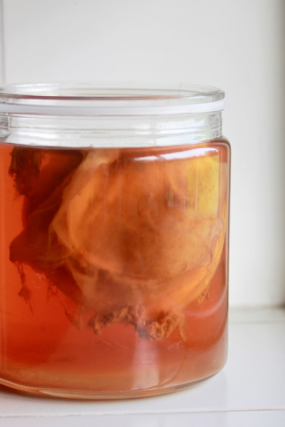
21. Apple Cider Vinegar (Raw, Unfiltered)
Raw apple cider vinegar with “the mother” contains beneficial bacteria and enzymes. The mother is the cloudy substance that settles at the bottom of the bottle.
How to enjoy it: Mix one tablespoon with water and drink before meals, use in salad dressings, or add to marinades for tender meat.
22. Sourdough Bread
True sourdough bread made with wild yeast and bacteria through natural fermentation contains probiotics and is often easier to digest than regular bread. The fermentation process also reduces phytic acid, making minerals more absorbable.
How to enjoy it: Toast and top with avocado, use for sandwiches, or enjoy with olive oil and aged cheese.
23. Fermented Olives
Olives preserved through natural fermentation (not in a vinegar brine) contain probiotics along with healthy fats and antioxidants.
How to enjoy it: Add to salads, pizzas, and pasta dishes, or enjoy as part of a Mediterranean-style appetizer spread.
24. Fermented Salsa
When salsa is fermented rather than simply canned, it develops probiotic benefits while maintaining its fresh vegetable nutrients. (This was a new one for me too, but a great option for adding fermented food when you can! Buy HERE)
How to enjoy it: Use as a dip for vegetables or chips, spoon over eggs or grilled proteins, or mix into guacamole.
25. Lassi
This traditional Indian yogurt-based drink is flavored with spices or fruit. Sweet lassi contains fruit while salty lassi includes cumin and salt. (Buy here)
How to enjoy it: Drink with spicy meals to cool the palate, enjoy as a probiotic breakfast beverage, or sip as an afternoon refreshment.
26. Cultured Butter
Butter made from fermented cream contains small amounts of probiotics along with beneficial fatty acids and fat-soluble vitamins.
How to enjoy it: Spread on sourdough bread, use for cooking eggs, or melt over steamed vegetables.
27. Fermented Hot Sauce
Hot sauces made through fermentation (like many traditional recipes) provide probiotics along with capsaicin, which may support metabolism and circulation. (You can find it here)
How to enjoy it: Add to eggs, soups, and tacos, mix into marinades, or use sparingly to add heat and probiotics to any dish.
28. Kvass Beet Soup (Borscht)
Traditional borscht, made with fermented beet kvass, provides probiotics along with the nutritional benefits of beets and other vegetables. (This is new for me, but looks very interesting! and beets are so nutrient dense, you can buy it HERE)
How to enjoy it: Serve hot or cold with a dollop of sour cream, pair with hearty bread, or enjoy as a light lunch.
29. Fermented Mustard
Some traditional mustards are made through fermentation, providing probiotics along with the digestive benefits of mustard seeds.
How to enjoy it: Use on sandwiches and burgers, mix into salad dressings, or serve alongside roasted meats.
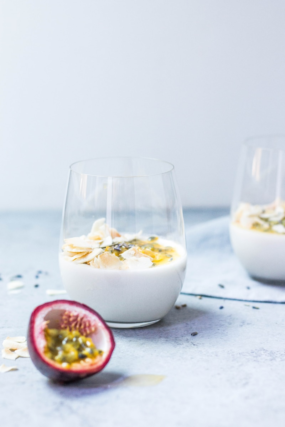
30. Fermented Coconut Yogurt
Non-dairy yogurt made from fermented coconut milk provides probiotics for those avoiding dairy. Look for brands with live active cultures and minimal added sugars. (Coconut Cult is really yummy and great for dairy-sensitive peeps)
How to enjoy it: Use like regular yogurt in smoothies and parfaits, dollop over fruit and granola, or use as a base for dairy-free dressings and sauces.
5 High-Protein Probiotic Breakfast Ideas
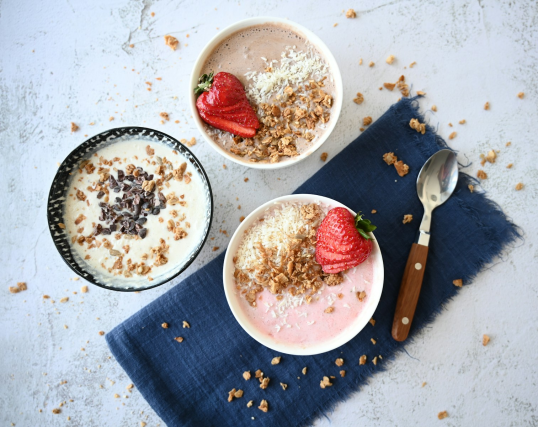
Start your day with gut-healthy protein to stabilize blood sugar and support your microbiome:
1. Greek Yogurt Parfait Power Bowl Layer Greek yogurt with granola, berries, chia seeds, and a drizzle of honey. This breakfast provides 20+ grams of protein along with fiber and antioxidants.
2. Kefir Protein Smoothie Blend kefir with banana, spinach, protein powder, and nut butter for a creamy, probiotic-rich breakfast that takes minutes to prepare.
3. Cottage Cheese and Fruit Toast Spread cottage cheese on sourdough toast and top with sliced peaches or berries, a sprinkle of cinnamon, and chopped nuts for crunch.
4. Tempeh Breakfast Hash Crumble and sauté tempeh with sweet potatoes, peppers, and onions. Top with avocado and a fried egg for a savory, protein-packed breakfast.
5. Miso Scrambled Eggs Whisk a small amount of white miso into your eggs before scrambling. Serve with sauerkraut on the side for double the probiotic benefits.
Easy One-Bowl Probiotic Meals
These simple meals combine probiotics with balanced nutrition:
Mediterranean Grain Bowl Quinoa topped with fermented olives, cucumber, tomatoes, feta cheese, hummus, and a lemon-tahini dressing.
Korean-Inspired Rice Bowl Brown rice with kimchi, crispy tempeh, pickled carrots, edamame, and a drizzle of tamari and sesame oil.
Probiotic Buddha Bowl Mixed greens with roasted vegetables, sauerkraut, chickpeas, avocado, and a miso-ginger dressing.
Breakfast Power Bowl Greek yogurt base topped with granola, berries, banana slices, nut butter, and hemp seeds.
Tex-Mex Bowl Black beans and rice with fermented salsa, guacamole, fermented pickled jalapeños, sour cream, and cilantro.
How to Incorporate Probiotic Foods Daily
Building a gut-healthy diet doesn’t require a complete overhaul. Start with these simple strategies:
Begin Small and Build Gradually – If you’re new to probiotic foods, start with small portions. Your gut bacteria need time to adjust, and jumping in too quickly can cause temporary bloating or digestive changes. Begin with a few tablespoons of sauerkraut or a small glass of kefir and increase gradually.
Aim for Variety – Different probiotic foods contain different bacterial strains. Eating a variety of fermented foods exposes your gut to diverse beneficial bacteria, which creates a more resilient microbiome.
Eat Probiotics with Prebiotics – Prebiotics are types of fiber that feed your beneficial gut bacteria. Foods like garlic, onions, bananas, oats, and asparagus pair perfectly with probiotic foods to maximize their benefits.
Add One Probiotic Food to Each Meal
- Breakfast: Greek yogurt, kefir smoothie, or sourdough toast
- Lunch: Add sauerkraut to your sandwich or kimchi to your rice bowl
- Dinner: Serve fermented pickles as a side or drizzle miso dressing over your salad
- Snacks: Kombucha, kefir, or cheese with fruit
Don’t Heat Probiotics Cooking probiotic foods kills the beneficial bacteria. Add sauerkraut, kimchi, and miso to dishes after cooking, or enjoy them raw and cold.
Store Properly Keep probiotic foods refrigerated to maintain their bacterial cultures. Buy from the refrigerated section when possible, and consume within the recommended timeframe.
What to Look for When Buying Probiotic Foods
Not all fermented foods contain live probiotics. Here’s how to choose wisely:
Check Labels for Live Cultures Look for phrases like “contains live and active cultures,” “raw,” “unpasteurized,” or “naturally fermented.” Pasteurization kills beneficial bacteria.
Avoid Added Sugars Excess sugar in yogurt and other probiotic foods can feed harmful bacteria and offset the benefits. Choose plain varieties and add your own fruit.
Choose Refrigerated Products Shelf-stable pickles and sauerkraut are typically made with vinegar, not through fermentation, and don’t contain probiotics. The real thing needs refrigeration.
Read Ingredient Lists Shorter is better. Traditional sauerkraut should contain only cabbage and salt. Avoid products with preservatives, which can interfere with beneficial bacteria.
Look for “Raw” or “Unpasteurized” These terms indicate the product hasn’t been heat-treated, which preserves the live probiotic cultures.
Signs Your Gut Health Is Improving
When you consistently eat probiotic-rich foods, you may notice:
- More regular, comfortable bowel movements
- Reduced bloating and gas
- Fewer food sensitivities
- Improved energy levels throughout the day
- Better mood and mental clarity
- Stronger immune function with fewer colds
- Clearer skin
- Reduced sugar cravings
- Better sleep quality
These improvements typically develop gradually over several weeks as your gut microbiome rebalances. Be patient and consistent with your probiotic intake.
Foods That Support Your Probiotic Foods
Maximize the benefits of probiotics by pairing them with:
Prebiotic Fiber Sources:
- Garlic and onions
- Leeks and asparagus
- Bananas (especially slightly green ones)
- Oats and barley
- Apples and pears
- Flaxseeds and chia seeds
- Jerusalem artichokes
- Dandelion greens
Anti-Inflammatory Foods:
- Fatty fish rich in omega-3s
- Berries and dark leafy greens
- Turmeric and ginger
- Olive oil
- Green tea
Bone Broth: The gelatin and amino acids in bone broth support the intestinal lining, creating an optimal environment for probiotics to thrive.
Common Mistakes to Avoid
Taking Probiotics with Hot Beverages – Heat kills beneficial bacteria. Don’t mix probiotic foods with hot coffee, tea, or soup. Let hot dishes cool slightly before adding fermented toppings.
Expecting Overnight Results – Rebuilding your gut microbiome takes time. Commit to eating probiotic foods daily for at least 4-6 weeks before evaluating their impact.
Relying Solely on Supplements – While supplements have their place, whole food sources provide additional nutrients and multiple bacterial strains that work synergistically.
Eating Only One Type of Probiotic Food – Variety is key. Different foods contain different bacterial strains, so rotate your choices throughout the week.
Not Addressing Other Gut Disruptors – Probiotics work best when you also limit processed foods, manage stress, get adequate sleep, and stay hydrated. A holistic approach yields the best results.
When to Consult a Healthcare Provider
While probiotic foods are safe for most people, consult a healthcare provider if you:
- Have a compromised immune system
- Are undergoing chemotherapy or taking immunosuppressant medications
- Experience severe digestive symptoms that don’t improve
- Have SIBO (small intestinal bacterial overgrowth) or other diagnosed gut conditions
- Are pregnant or breastfeeding and want to significantly increase fermented food intake
- Notice worsening symptoms after adding probiotic foods
Important Note: When Probiotic Foods Don’t Feel Good
While most people experience positive benefits from adding probiotic-rich foods to their diet, some individuals may notice increased bloating, gas, or digestive discomfort when consuming fermented foods. If you find that probiotic foods consistently make you feel worse rather than better, this could be a sign of an underlying gut imbalance.
Conditions like SIBO (Small Intestinal Bacterial Overgrowth), histamine intolerance, or other forms of dysbiosis can cause adverse reactions to fermented foods. These reactions don’t mean fermented foods are “bad” for you—they’re simply a signal that your gut needs a more personalized healing approach before introducing probiotics.
If this sounds like your experience, working with a functional medicine practitioner or specialized nutrition provider can help you identify the root cause and create a customized gut-healing protocol. I work with clients one-on-one to address complex digestive issues and develop strategies that actually work for your unique situation.
Interested in personalized gut health support? [Fill out this interest form here] and let’s discuss how we can get your digestion back on track.
Your 7-Day Probiotic Meal Plan Starter
Here’s a simple week-long plan to help you incorporate probiotic foods daily:
Monday:
- Breakfast: Greek yogurt parfait with berries
- Lunch: Turkey sandwich on sourdough bread with fermented pickles
- Dinner: Grilled chicken with sauerkraut and roasted potatoes
Tuesday:
- Breakfast: Kefir smoothie with banana and spinach
- Lunch: Grain bowl with kimchi and tempeh
- Dinner: Salmon with miso-glazed vegetables
Wednesday:
- Breakfast: Sourdough toast with cottage cheese and tomatoes
- Lunch: Salad with fermented beets and aged cheese
- Dinner: Tacos with fermented salsa and sour cream
Thursday:
- Breakfast: Tempeh breakfast hash with avocado
- Lunch: Miso soup with vegetables and brown rice
- Dinner: Stir-fry with tamari and fermented hot sauce
Friday:
- Breakfast: Overnight oats with kefir and fresh fruit
- Lunch: Hummus wrap with fermented carrots
- Dinner: One-bowl Mediterranean meal with fermented olives
Saturday:
- Breakfast: Scrambled eggs with sauerkraut side
- Lunch: Cottage cheese and cucumber plate with sourdough
- Dinner: Korean rice bowl with kimchi and grilled protein
Sunday:
- Breakfast: Greek yogurt pancakes with berries
- Lunch: Cheese and fermented pickle platter with crackers
- Dinner: Roasted vegetables with miso dressing over quinoa
Snacks throughout the week: Kombucha, kefir, aged cheese with fruit, or fermented vegetables
Transform Your Gut Health Starting Today
Your gut microbiome is incredibly responsive to dietary changes. By incorporating probiotic-rich foods into your daily routine, you’re taking a powerful step toward better digestive health, stronger immunity, improved mood, and increased energy.
Start with one or two probiotic foods that appeal to you, and gradually expand your repertoire. Remember that consistency matters more than perfection—even small daily doses of fermented foods can make a significant difference over time.
Your gut bacteria are ready to work for you. Feed them well with these 30 probiotic-rich foods, and experience the transformation that comes from a healthy, balanced microbiome.
Which probiotic food will you try first? Start small, be patient with the process, and enjoy discovering new flavors while supporting your digestive health from the inside out.