Why eating more of the right foods helps you feel fuller, steadier, and finally satisfied
If you’ve been trying to lose weight and feel like you’re constantly battling hunger, I’ve got good news. The solution usually isn’t about eating less; it’s about eating smarter. And that’s where protein and fiber come in.
These two nutrients are true game changers for weight loss. Even better, they work together far more effectively than they do on their own. Once you understand how to use them, everything starts to feel easier and a lot more sustainable.
Why Protein and Fiber Are Your Weight Loss Best Friends
Let’s start with what makes these nutrients so powerful.
Protein keeps you satisfied. When you eat protein, it triggers hormones that tell your brain, “We’re good, we’re full.” That’s not willpower, that’s physiology. Protein also takes longer to digest than carbohydrates, so you stay full longer instead of feeling hungry an hour later.
Fiber fills you up without filling you out. Fiber adds volume to your meals without adding many calories. It takes up space in your stomach, slows digestion, and helps keep blood sugar steady. That steady blood sugar is huge when it comes to preventing crashes and cravings.
When you combine protein and fiber in the same meal, you create what I call a satisfaction powerhouse. You get fullness signals from protein and physical fullness from fiber, which is a one two punch against constant hunger.
The Benefits of a High Fiber and High Protein Diet
Research consistently shows that people who eat higher protein and higher fiber diets tend to lose more weight and maintain it better over time.
Protein helps preserve muscle while you’re losing weight. This matters because muscle burns calories even at rest. Without enough protein, weight loss often includes muscle loss, which can slow metabolism and make long-term results harder to maintain.
Fiber supports gut health by feeding beneficial bacteria. A healthier gut is linked to improved digestion, immune function, mood, and even weight regulation.
Together, protein and fiber help stabilize blood sugar. That means fewer energy dips, fewer cravings, and fewer moments of feeling hangry and overwhelmed. When blood sugar is steady, healthy choices feel much more doable.
How Much Do You Actually Need?
Think of these as gentle targets, not strict rules.
Protein: Aim for about 25 to 30 grams per meal if you eat three meals a day. If you eat smaller meals or snacks, 15 to 20 grams per eating occasion works well. Active individuals or those focused on muscle preservation may benefit from more. (Aim for 100-120g protein/ day or try out this Protein Needs calculator)
Fiber: Most adults do best with 25 to 35 grams per day. Many people are only getting about 15 grams, so even small increases can make a noticeable difference.
Real, Practical Ways to Boost Your Protein
Here’s what roughly 25 to 30 grams of protein looks like:
- 4 ounces of chicken breast
- 5 to 6 ounces of Greek yogurt
- 4 large eggs
- 5 ounces of fish like salmon or cod
- 1 cup of cottage cheese
- A smoothie with protein powder, Greek yogurt, and fruit
Easy protein boosting strategies:
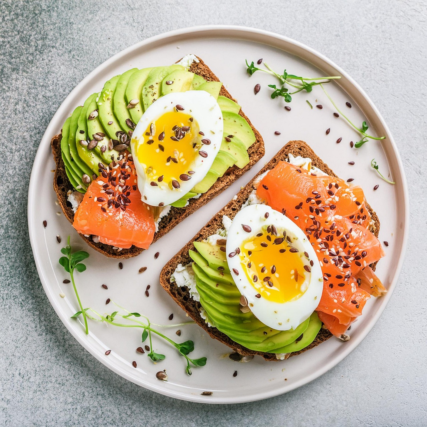
- Start your day with protein. Swap cereal or toast for eggs, Greek yogurt, or a smoothie. Many clients notice better energy and fewer cravings all morning.
- Use protein powder strategically. Blend high quality protein powder into smoothies, oatmeal, or pancake batter for an easy boost.
- Choose protein rich snacks. Pair fruit with nut butter, cheese, hard-boiled eggs, or Greek yogurt instead of eating carbs alone.
- Make protein the anchor of your meal. Start with your protein, then add vegetables and carbs. This simple shift can be incredibly effective.
Simple Ways to Increase Your Fiber
Fiber does not have to mean sad bran cereal. These foods actually taste good and work well:
Vegetables: Broccoli, Brussels sprouts, carrots, sweet potatoes, artichokes, and leafy greens
Fruits: Berries are fiber superstars. Pears, apples with the skin, and oranges are also great
Whole grains: Oatmeal, quinoa, brown rice, and whole grain bread
Legumes: Lentils, beans, and chickpeas
Nuts and seeds: Almonds, chia seeds, and ground flaxseed
Fiber boosting tips you can use right away:
- Add vegetables everywhere. Spinach in eggs, zucchini in sauces, cauliflower rice mixed with rice.
- Start meals with vegetables. A salad or veggie based soup helps you feel satisfied sooner.
- Snack on veggies with dips. Vegetables with hummus or guacamole check the crunch box and boost fiber.
- Swap refined grains for whole grains. Small changes add up without feeling restrictive.
Even better 👉 check out this article about foods that are high in both protein and fiber
Putting It All Together: Meals That Deliver Both
This is where the magic really happens.
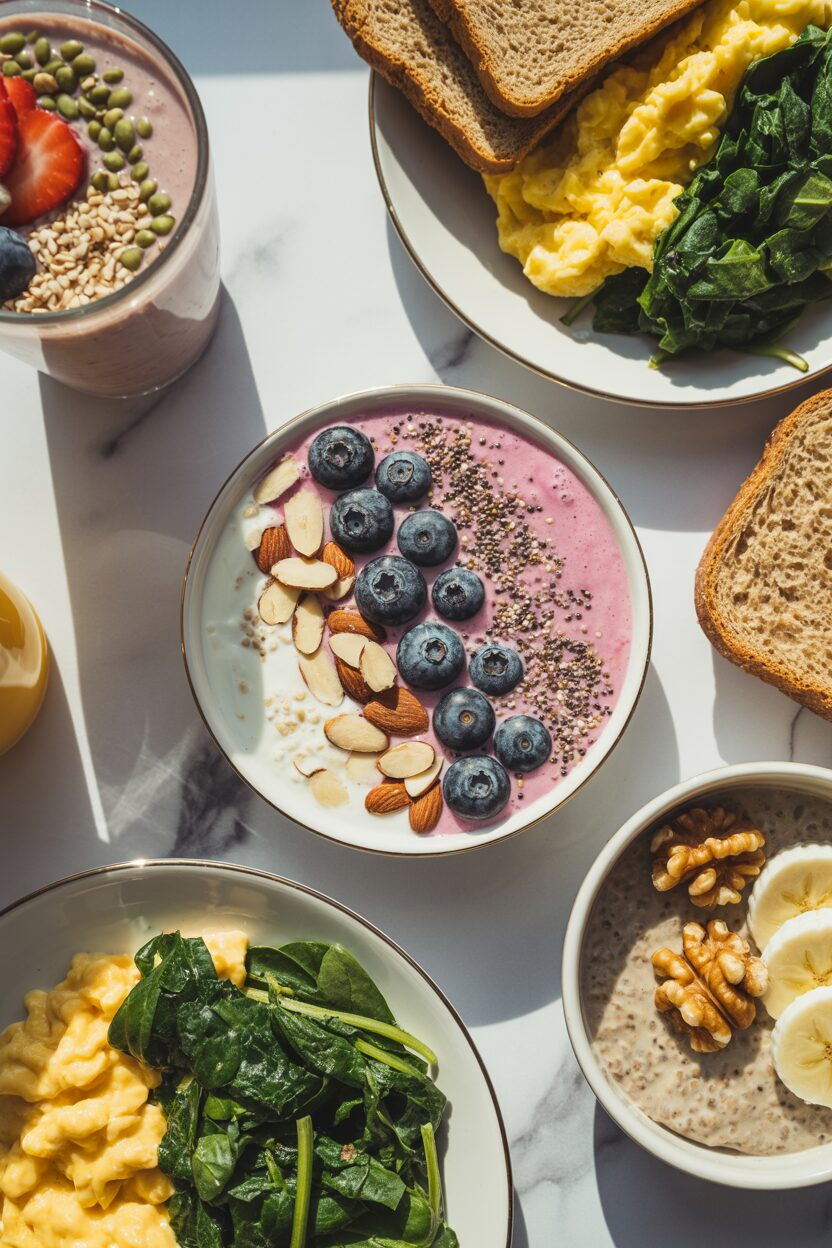
Breakfast: Greek yogurt with berries and chia seeds, or a veggie-packed omelet with whole-grain toast
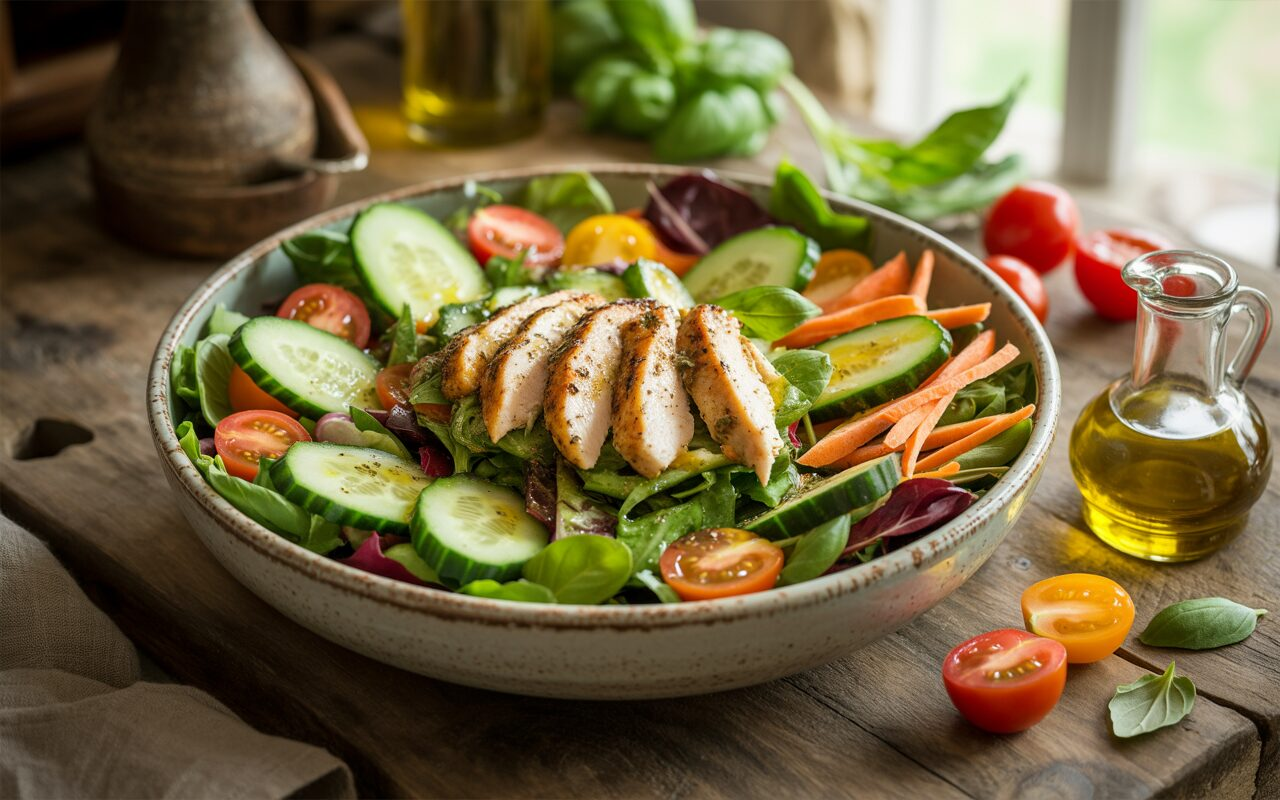
Lunch: A big salad with grilled chicken, colorful vegetables, chickpeas, and vinaigrette
Dinner: Grilled salmon with roasted Brussels sprouts and quinoa, or tofu stir fry with vegetables and brown rice
Snacks: Apple slices with almond butter, cottage cheese with berries, or veggies with hummus
A Few Things to Keep in Mind
Increase fiber gradually. Jumping from low fiber to high fiber overnight can cause bloating. Ease in and let your gut adjust.
Drink plenty of water. Fiber works best when you’re hydrated. A large reusable water bottle can help you stay consistent.
Don’t aim for perfection. Some days will be better than others. Focus on patterns, not single meals.
The Bottom Line
Weight loss does not have to mean constant hunger or feeling deprived. When you prioritize protein and fiber, you work with your body rather than fight it. You feel more satisfied, more energized, and more in control around food.
Start with one small change. Maybe protein at breakfast or vegetables at lunch. Once that feels easy, build from there. That’s how sustainable progress happens.
I’m always cheering you on.
Affiliate Disclosure: Some links in this post may be affiliate links. This means I may earn a small commission at no extra cost to you. I only share products I personally use, recommend, or truly believe add value.