Simple, science-backed ways to calm your nervous system, lower inflammation, and feel better in your body without turning self-care into another job.
Let’s talk about something I see all the time in my practice: people who are doing “all the right things” but still feel exhausted, achy, and overwhelmed. Sound familiar?
Here’s the thing. Stress and inflammation are deeply connected. When one goes up, the other usually follows. The good news is that small, consistent self-care habits can genuinely make a difference.
I’m not talking about bubble baths and face masks, though if those bring you joy, keep doing them. I’m talking about evidence-based practices that actually dial down your body’s stress response and cool inflammation. Let’s dive in.
Understanding the Stress-Inflammation Connection
Before we get to the habits, let’s quickly cover why this matters. When you’re stressed, your body releases cortisol and other stress hormones. Short-term, this is helpful. It’s your body’s built-in protection system.
But chronic stress keeps those hormones elevated, which triggers inflammation throughout the body. Over time, this can show up as brain fog, joint pain, digestive issues, skin problems, low energy, and even an increased risk for chronic disease.
The beautiful part is that many of the habits that reduce stress also reduce inflammation, giving you a powerful two-for-one benefit.

Daily Habits for Stress and Inflammation Relief
1. Prioritize 7–9 Hours of Quality Sleep
This isn’t negotiable, friends. Sleep is when your body does its deepest repair work, including clearing inflammatory markers. When sleep is lacking, inflammatory blood markers like IL-6 and CRP tend to rise.
Create a consistent bedtime routine, keep your room cool and dark, and give yourself permission to make sleep a priority. Many people benefit from Magnesium Glycinate, a cooling pillow , or blue light–blocking glasses in the evening.
2. Start Your Day with Protein
Eating protein at breakfast, ideally 20 to 30 grams, helps stabilize blood sugar throughout the day. When blood sugar crashes, stress hormones kick in to bring it back up. Stable blood sugar means a calmer nervous system.
If breakfast protein feels hard, a clean protein powder, collagen peptides, or a simple smoothie blender can make this habit much easier.
3. Move Your Body, But Not Too Much
Regular movement is one of the most powerful anti-inflammatory tools we have. The catch is that over-exercising when you’re already stressed can backfire.
Aim for about 30 minutes of moderate movement most days. Walking, swimming, and gentle strength training all count. Comfortable walking shoes, resistance bands, or light dumbbells can support this without pushing your body too hard.

4. Practice Deep Breathing, Even for 2 Minutes
Deep, diaphragmatic breathing activates your parasympathetic nervous system, also known as rest and digest mode.
Try box breathing. Inhale for four counts, hold for four, exhale for four, hold for four. Just a few minutes can make a noticeable difference. Many people enjoy pairing this with a breathwork app or calming essential oils like lavender or bergamot.
5. Eat Anti-Inflammatory Foods Daily
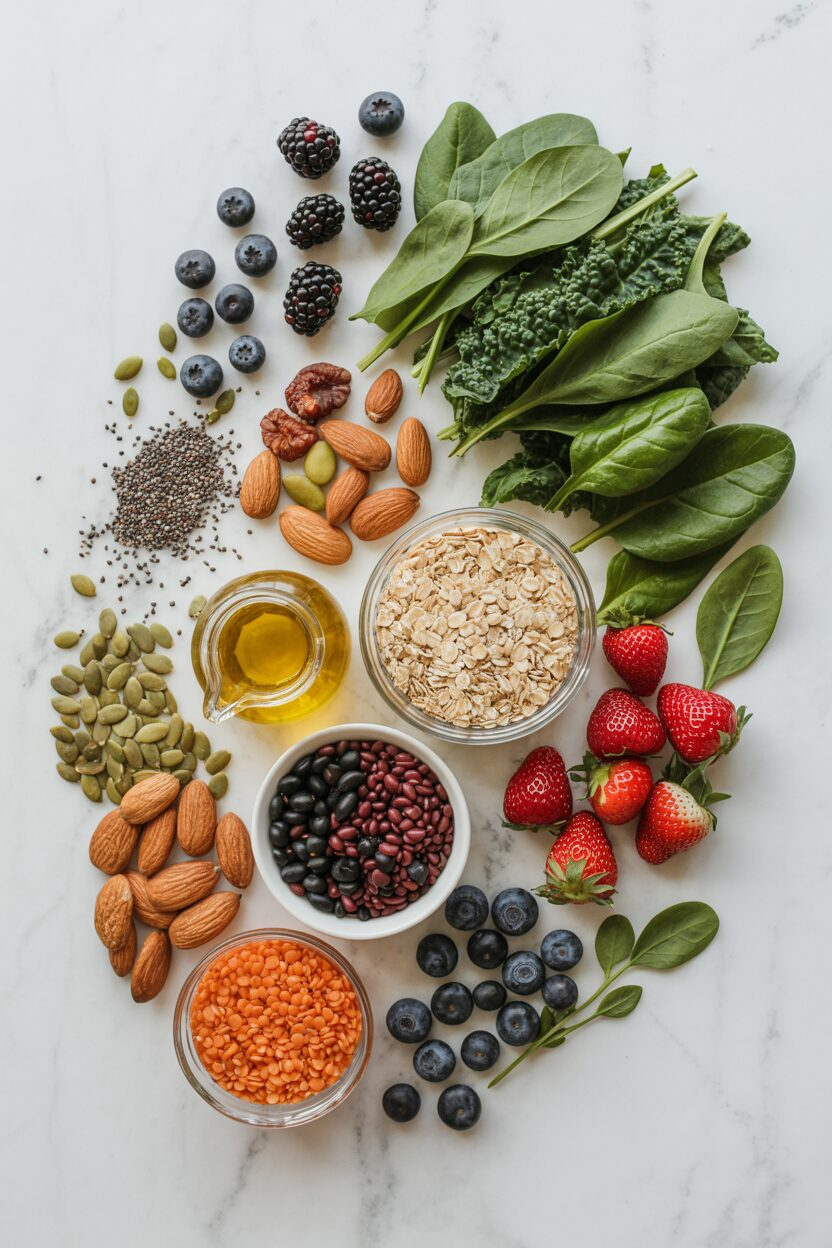
Load up on colorful fruits and vegetables, fatty fish, nuts, seeds, and olive oil. These foods contain compounds that actively reduce inflammation.
My go-to favorites are berries, leafy greens, wild salmon, walnuts, and turmeric. High-quality olive oil, omega-3 supplements, and curcumin or turmeric supplements can be helpful additions when food alone isn’t enough.
6. Limit Added Sugars and Processed Foods
I know, you’ve heard this before. But it’s worth repeating because excess sugar and ultra-processed foods directly spike inflammatory markers.
You don’t need perfection. Awareness goes a long way. Swapping in low-sugar snack options or clean electrolyte packets can make this feel more realistic.

7. Stay Hydrated
Dehydration is a physical stressor on the body. When you’re hydrated, cells function better and your body clears waste products more efficiently.
Aim for about half your body weight in ounces per day. A reusable water bottle or electrolyte powders can make hydration easier to keep up with.
8. Get Morning Sunlight
Getting outside within an hour of waking helps regulate your circadian rhythm, balance cortisol, and improve sleep quality. So get out in the morning, leave yourself sunglasses off and allow those sunrays to hit your retinae, it really helps balance your cardiac rhythms.
Just 10 to 15 minutes can help. During darker months, some people benefit from a light therapy lamp. This is really helpful if you suffer from seasonal affective disorder.
9. Create Phone-Free Zones
Constant notifications keep your nervous system in a low-grade fight-or-flight state.
Consider no phones in the bedroom or no scrolling during the first hour of the day and the last hour (or two) of the day. An analog alarm clock or a simple planner can help reduce the urge to reach for your phone.

10. Practice Gratitude
Regular gratitude practices have been shown to lower inflammatory biomarkers.
This can be as simple as thinking of three things you’re grateful for each morning or writing them down in a gratitude journal.
Weekly Habits for Deeper Support
11. Meal Prep Once or Twice a Week
Having nourishing meals ready reduces decision fatigue and keeps you fueled during busy weeks.
This doesn’t have to be elaborate. Even chopping vegetables or cooking a big batch of protein helps. Glass meal prep containers or a slow cooker can make this easier.
12. Schedule Real Downtime
Put it on your calendar. Reading, sitting outside with tea, or taking a bath all count. Just get some downtime. Recharge and reset!
Many people enjoy winding down with herbal teas like chamomile or lemon balm or a weighted blanket to signal safety to the nervous system.
13. Connect with Your People
Meaningful social connection is a powerful stress buffer. Loneliness and isolation are associated with higher inflammation, cardiovascular disease, dementia, and even cancer.
So take time, make the effort to reachout and connect with someone in your life. Even a phone call counts. Set up a walk with friends, download Marco Polo to stay connected, and find fun, creative things to do, like game nights. Get a conversation card deck to deepen connection and make having conversations easy!
14. Spend Time in Nature
Nature exposure lowers cortisol, reduces blood pressure, and decreases inflammation.
A 20-minute walk in a park is enough. Comfortable walking shoes or mineral sunscreen can support this habit.
15. Try Gentle Yoga or Stretching
Gentle movement improves circulation and releases muscle tension while calming the nervous system.
Yoga mats, foam rollers, or online yoga memberships can support this without overdoing it.
Monthly or Ongoing Practices
16. Try Some Soothing Bodywork
Massage, acupuncture, or chiropractic care help release physical tension and support nervous system regulation.
At home, massage guns or heating pads can offer similar benefits.
17. Assess Your Supplement Needs
Nutrients like vitamin D, omega-3 fatty acid, and magnesium play key roles in managing stress and inflammation.
Working with a provider ensures you’re supplementing intentionally. Vitamin D, omega-3, and magnesium supplements are some of the most common supports I see benefit clients.
18. Set and Maintain Boundaries
This is ongoing work. Saying no and protecting your energy is not selfish. Chronic overcommitment keeps stress and inflammation elevated.
Some people find boundary-setting books or time-blocking planners helpful here.
19. Reduce Exposure to Toxins
In our modern world, we are exposed to tons of toxins in our environment, food, and air that cause us harm. So do your best to choose clean, nontoxic Household Cleaning products, personal care products, drink filtered water, and choose organic produce when ever possible can reduce your inflammatory load. (Read more here)
Non-toxic cleaning products, water filters, and clean personal care brands are simple places to start.
20. Work with a Professional
Whether it’s a therapist, dietitian, health coach, or functional medicine practitioner, outside support can help uncover what’s keeping you stuck.
Sometimes, having guidance makes all the difference. I would love to support you! Contact me about that here!
21. Incorporate Omega-3 Rich Foods
Omega-3 fatty acids are some of the most powerful anti-inflammatory compounds available through food. Aim for fatty fish like salmon, sardines, or mackerel two to three times per week, or add plant sources like chia seeds, flaxseeds, and walnuts daily. These fats literally change the types of inflammatory messengers your body produces.
22. Try Cold Exposure
Ending your shower with 30-60 seconds of cold water or doing cold plunges can reduce inflammation and boost your resilience to stress. Cold exposure activates your vagus nerve (a key player in calming your nervous system) and has been shown to decrease inflammatory cytokines. Start small and work your way up.
You can take a cold shower or even get a cold plunge.
23. Limit Alcohol Intake
I know this isn’t what anyone wants to hear, but alcohol disrupts sleep quality, increases cortisol, and triggers inflammatory responses in your gut and liver. You don’t need to quit entirely, but being mindful of how much and how often you drink can significantly impact how you feel. Notice how your body responds.
24. Practice Progressive Muscle Relaxation
This technique involves tensing and then releasing different muscle groups throughout your body. It helps you become aware of where you’re holding tension and actively releases it. Doing this for 10 minutes before bed can improve sleep quality and lower overall stress levels.
25. Cultivate a Consistent Eating Schedule
Eating at roughly the same times each day supports your circadian rhythm and helps regulate cortisol patterns. Erratic eating or skipping meals sends stress signals to your body. You don’t need to be rigid, but general consistency helps your body know what to expect and reduces the stress of metabolic uncertainty.
Making It Sustainable
Here’s the truth. You don’t need to do all twenty of these perfectly to see results. Start with one or two that feel doable right now and build from there. Consistency beats perfection every time.
The goal is not to add more stress by trying to do self-care perfectly. The goal is to gently support your body in ways that actually move the needle on how you feel day to day.
Your body is resilient and wants to heal. When you give it the right conditions through stress management and anti-inflammatory support, it knows exactly what to do. I’m cheering you on.
This article contains affiliate links. Rest assured, I stand behind all the products recommended. These links support the creation of valuable content at no extra cost to you. Thank you for your support