Why gentle, consistent support works better than cleanses for long-term digestive health
If you’ve spent any time scrolling through wellness content, you’ve probably seen the phrase “gut reset” pop up everywhere. Three-day cleanses, strict elimination protocols, expensive supplement stacks, all promising to magically fix your digestive issues and have you feeling amazing in no time.
Wait, hold up. You are not a computer that can erase everything and start again. Don’t get me wrong, a “reset” can be helpful. I actually love the idea of a fresh start mentality. It’s nice to say, “from today on…” But let’s focus on making some real, sustainable changes that will actually heal and last. For long-term gut health, your body needs support, nourishment, and sometimes a little detective work to figure out what’s throwing things off balance.
Think about it this way. If your houseplant started looking droopy, you wouldn’t throw it in the trash and buy a new one (okay, maybe some of us would, but stick with me here). You’d adjust the watering schedule, check the light, maybe repot it with fresh soil. Your gut deserves the same thoughtful approach.
Let’s talk about what your gut might actually be trying to tell you, and how to support it in a way that’s sustainable, science-backed, and doesn’t involve living on nothing but celery juice for a week.
Understanding What Your Gut Actually Does
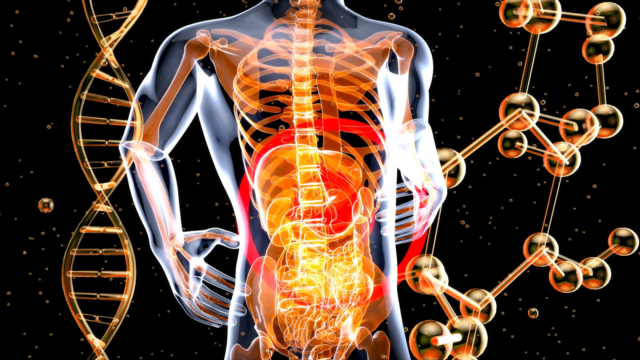
Before we dive into the signs, let’s get on the same page about what we’re actually talking about. Your gut isn’t just responsible for digestion. It’s home to trillions of microorganisms, bacteria, fungi, and viruses that make up your gut microbiome. This community of microscopic helpers does everything from breaking down food and producing vitamins to communicating with your immune system and even influencing your mood.
When we talk about gut health, we’re really talking about the balance and diversity of this microbiome, the integrity of your intestinal lining, and how well your digestive system is functioning overall. It’s a complex ecosystem, and like any ecosystem, it thrives on balance rather than dramatic interventions.

Signs Your Gut Is Asking for Help
Your body is constantly sending you signals, and your gut is particularly chatty when something’s off. Here are some signs that your gut microbiome and digestive system could use extra support.
Digestive symptoms that won’t quit. Occasional bloating after a big meal or irregular bowel movements during stressful times is normal human stuff. But if you’re dealing with persistent gas, bloating, constipation, diarrhea, or that uncomfortable feeling of never quite being “done” in the bathroom, your gut is waving a flag. These symptoms suggest something in the digestive process isn’t working smoothly, whether that’s related to microbiome balance, digestive enzymes, or gut motility.
Food sensitivities that seem to multiply. Have foods you used to tolerate suddenly started making you feel bloated or uncomfortable? This can happen when the gut lining becomes compromised. Your intestinal wall is meant to be selectively permeable, letting nutrients through while keeping larger particles out. When that barrier is disrupted, reactions to foods that never bothered you before can show up. This isn’t the same as a true food allergy, but it is your gut asking for repair.

Energy crashes that don’t match your sleep. We often blame fatigue on poor sleep, but your gut plays a major role in energy production. Your microbiome helps extract nutrients from food, produces certain B vitamins, and influences blood sugar regulation. If you’re sleeping reasonably well but still dragging through the day, your gut may not be converting food into usable energy efficiently.
Skin issues that won’t clear up. The gut-skin connection is real and well documented. Conditions like acne, eczema, rosacea, and general inflammation can be linked to what’s happening in your digestive system. When your gut isn’t functioning optimally, your skin often tries to compensate, leading to breakouts and irritation.
Mood swings and brain fog. This is where it gets especially interesting. Your gut produces about 90% of your body’s serotonin, and the vagus nerve creates a direct communication highway between your gut and brain. When the microbiome is out of balance, mental clarity, mood, and anxiety levels can absolutely be affected. If you’re feeling more irritable, scattered, or anxious than usual and can’t pinpoint why, your gut may be part of the picture.

Frequent illnesses or slow recovery. About 70% of your immune system lives in your gut. A healthy microbiome helps train and support immune cells. If you’re catching every cold or taking forever to recover, your gut may not be giving your immune system the support it needs.
Intense sugar and carb cravings. Certain less-beneficial bacteria thrive on sugar and refined carbohydrates. When they’re overgrown, they can influence cravings by sending signals that push you toward the foods they want. It’s not a lack of willpower, it’s biology.
What Your Gut Actually Needs
So if your gut doesn’t need a dramatic reset, what does it need? Usually, something much simpler and more sustainable.
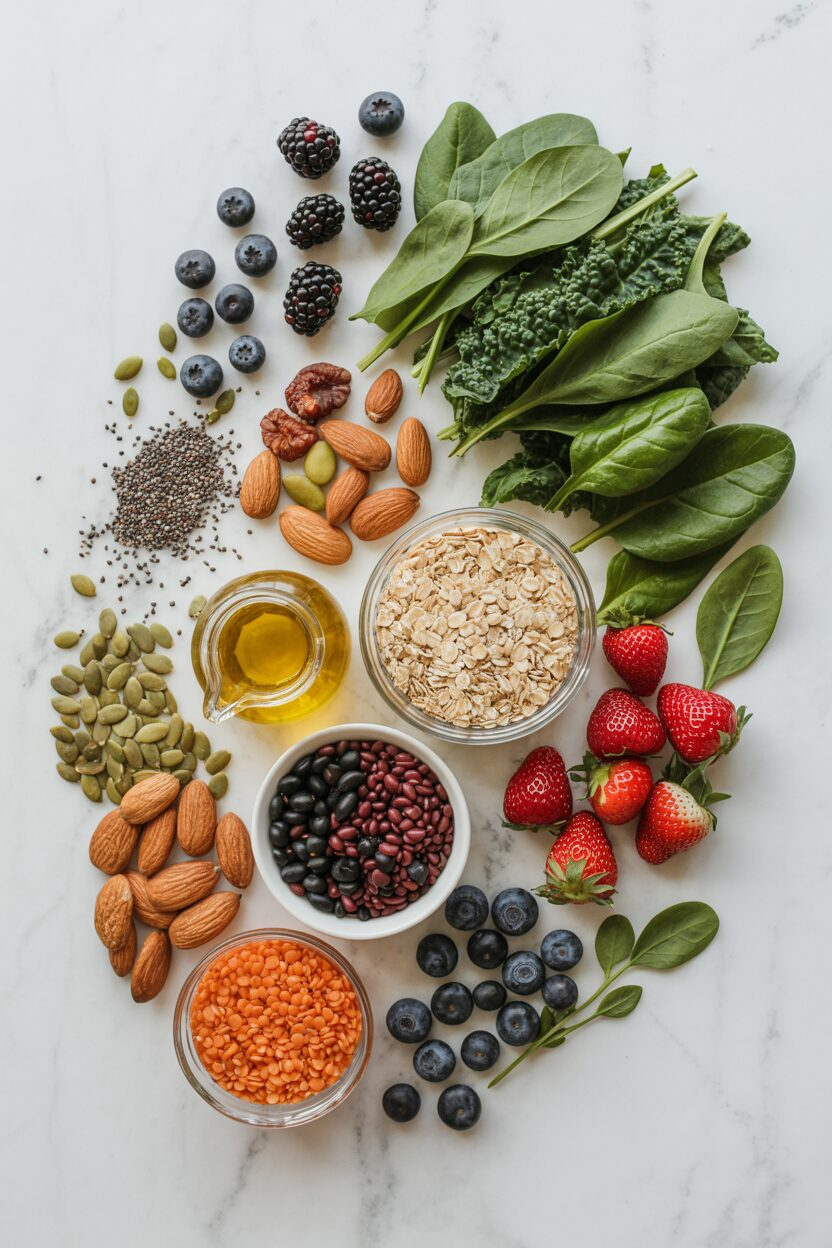
Diversity matters. Research consistently shows that a diverse gut microbiome is a healthier one. This comes from eating a wide variety of plant foods, fruits, vegetables, whole grains, legumes, nuts, and seeds. Aim for about 30 different plant foods per week. That includes herbs, spices, and different types of greens and beans.
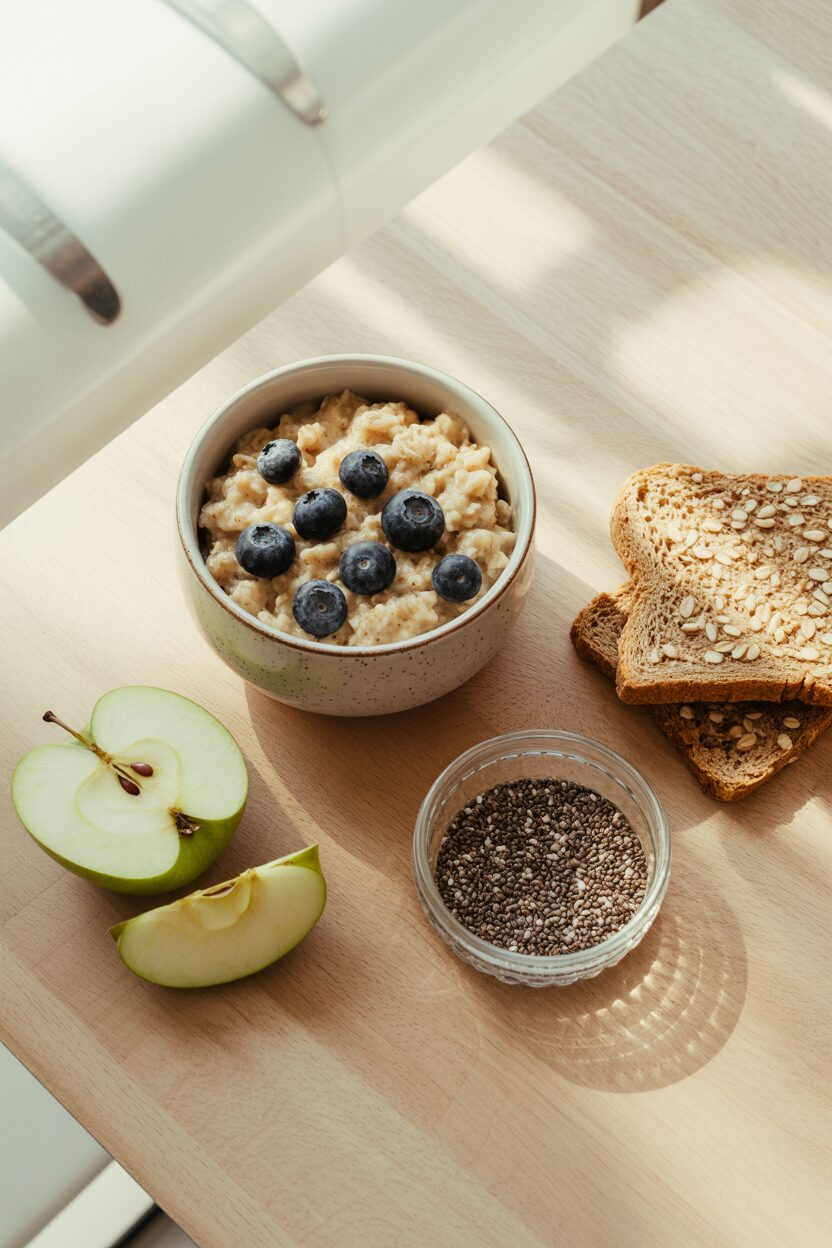
Fiber is your gut’s best friend. Most people don’t get nearly enough fiber. Gut bacteria feed on fiber and produce beneficial compounds that support the gut lining and overall health. Gradually increase vegetables, fruits, whole grains, and legumes. Going too fast can cause bloating, which is exactly what we’re trying to avoid.

Fermented foods provide beneficial bacteria. Yogurt, kefir, sauerkraut, kimchi, and kombucha contain live cultures that support the microbiome. You don’t need large amounts. Even a small serving regularly can help. Just choose options with live cultures and minimal added sugar.
Stress management really matters. Chronic stress directly affects gut motility, microbiome balance, and intestinal permeability. Finding sustainable ways to manage stress, movement, time outdoors, breathwork, or connection with others, is essential for gut health.
Sleep supports gut repair. Your gut does important maintenance work while you sleep. Consistently short sleep can disrupt the microbiome and compromise the gut lining. Aim for seven to nine hours most nights.

When to Seek Professional Help
Sometimes gut issues need more than food and lifestyle adjustments. If you’re experiencing severe or persistent symptoms like significant abdominal pain, unexplained weight loss, blood in your stool, or symptoms that are impacting daily life, it’s time to work with a healthcare provider. A gastroenterologist or a registered dietitian specializing in gut health can help identify what’s really going on and create a targeted plan.
The Bottom Line
Your gut is resilient and capable of healing when given the right support. Instead of chasing quick-fix resets, focus on building habits that nourish your microbiome over time. Eat a diverse range of whole foods, manage stress, prioritize sleep, and listen to your body.
Improving gut health isn’t about perfection. It’s about progress, consistency, and treating your digestive system with the same patience and care you’d give a good friend. Because really, your gut is exactly that, a friend that’s been with you since day one, quietly working behind the scenes to keep you healthy and thriving.