
I was recently at a family get-together over Christmas, and as I was chatting with people and catching up, I realized there were several people there who had recently been diagnosed with this new tick-borne meat allergy,called Alpha-gal. And it was a bit of gut punch because these people were farmers, ranchers, and hunters, true meat eaters to the core. The main feature of this syndrome is a true allergy to mammalian products. So this means no more beef, pork, venison, and, for some, potentially even dairy products. When that is a huge part of your diet, it is incredibly upsetting to suddenly be told you can no longer eat those foods.
And as a dietitian for 20+ years, with an emphasis on GI health, I was surprised I had never heard of this! So naturally, on the long drive down to Texas, I deep-dived into alpha-gal. And what I found was fascinating.
What Exactly Is Alpha-Gal Syndrome?
Alpha-gal syndrome is an allergic reaction to a sugar molecule called galactose-alpha-1,3-galactose (thankfully shortened to alpha-gal). This sugar is found in most mammals (not humans and some primates), so think beef, pork, lamb, venison, and sometimes dairy. When certain ticks bite you, they introduce this alpha-gal sugar through their saliva, which can trigger your immune system to start producing antibodies against alpha-gal.
From that point on, when you eat something containing alpha-gal, like mammalian meat or products, your body can react. What makes this allergy so different from a typical food allergy, like peanuts, is timing. Peanut allergies are usually immediate. Alpha-gal reactions are often delayed by several hours after eating, leaving people confused about what caused their symptoms.
Someone might eat a burger for lunch, chicken pot pie for dinner, and then have a reaction late at night. That leads them to think it was food poisoning or the chicken or something else they ate recently. Because of this delayed response, many people remain undiagnosed. And this can be dangerous because alpha-gal is a true food allergy (IgE reaction), not a sensitivity. Reactions can range from GI distress like severe diarrhea to full-blown anaphylaxis.
The Lone Star tick is believed to be the main culprit in the United States, though other tick species have been linked to alpha-gal syndrome in other parts of the world. This condition is becoming more common as ticks expand their range due to factors like climate change, increasing deer populations, and human encroachment into tick habitats. As a result, alpha-gal syndrome is appearing in areas where it wasn’t previously common.
And like I said, what makes this allergy especially tricky is that it doesn’t follow the usual food allergy rulebook. Most food allergies cause symptoms within minutes. With alpha-gal, symptoms may not appear for three to six hours. Imagine eating dinner at 6 p.m. and waking up at midnight covered in hives or struggling to breathe. That delay makes it incredibly hard to connect the dots without proper testing.

Recognizing the Symptoms
Alpha-gal syndrome symptoms can range from mild and annoying to severe and life-threatening. Because of the delayed reaction, many people don’t realize their symptoms are related to something they ate hours earlier.
Common symptoms include hives or itchy skin, swelling of the lips, face, tongue, or throat, nasal congestion or a runny nose, stomach pain, diarrhea, nausea, or vomiting. Some people also experience headaches or a general feeling of being unwell. In severe cases, alpha-gal syndrome can cause anaphylaxis, which may include difficulty breathing, a drop in blood pressure, dizziness, or fainting.
If you notice these symptoms several hours after eating meat, especially if you spend time outdoors in tick-prone areas, it’s worth talking to your doctor about testing.
Getting Tested for Alpha-Gal
If you suspect alpha-gal syndrome, the good news is that testing is relatively straightforward. Your doctor can order a blood test that measures alpha-gal–specific IgE antibodies. Elevated levels suggest an allergy to alpha-gal.
It’s important to work with a healthcare provider who is familiar with this condition, ideally an allergist. Not all doctors are aware of alpha-gal syndrome yet. In fact, the CDC recently reported that fewer than 40% of primary care providers surveyed are familiar with it, which shows just how emerging this condition is (this article was written in December of 2025). You may need to advocate for yourself if your symptoms fit the pattern.
Keeping a detailed food and symptom diary before your appointment can be incredibly helpful. Write down what you ate, when you ate it, and when symptoms appeared. Also note any recent tick bites or outdoor exposure. This information helps your provider connect meat consumption with delayed reactions.
What You Can (and Can’t) Eat
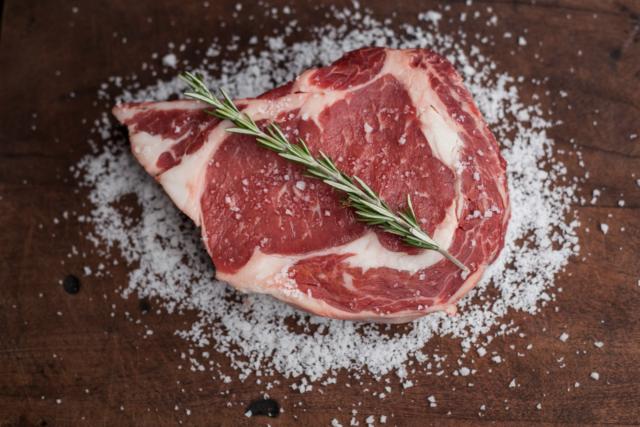
This is where things feel overwhelming at first but are absolutely manageable. If you have alpha-gal syndrome, you’ll need to avoid mammalian meat, but poultry, fish, and plant-based proteins are still options.
Foods to avoid:
Beef, pork, lamb, venison, bison, goat, rabbit, and products made from these meats. This includes gelatin, some medications with mammalian-derived ingredients, and dairy products for some people. Dairy tolerance varies widely.

Foods you can enjoy:
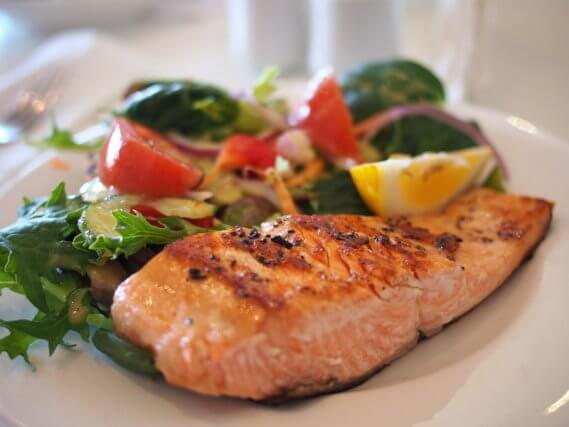
Chicken, turkey, duck, and other poultry, fish and shellfish, eggs, plant-based proteins like beans, lentils, tofu, tempeh, and legumes, plus fruits, vegetables, grains, nuts, and seeds.
The dairy question is nuanced. Alpha-gal is present in milk, cheese, yogurt, and butter. Some people tolerate dairy just fine, while others react strongly. You’ll need to determine your personal tolerance using a food diary. Some people do well with small amounts or certain products like hard cheeses but react to milk or ice cream.
I typically recommend removing all mammalian products for three to four weeks, then slowly and carefully trialing dairy if desired.
Label reading becomes essential. Gelatin, often made from pig or cow collagen, hides in gummy candies, marshmallows, some yogurts, and even medications. Magnesium stearate, a common supplement additive, can be animal-derived. When in doubt, contact manufacturers or choose certified vegan products.

Building Your New Meal Plan
Adjusting to life with alpha-gal syndrome takes time, but you can absolutely eat satisfying, delicious meals. Think of this as an opportunity to explore new proteins rather than focusing on what’s off-limits.
Breakfast ideas:
Veggie-packed egg omelets with toast, smoothie bowls topped with nuts and seeds, oatmeal with nut butter and fruit, or avocado toast. You can substitute turkey, chicken, or veggie bacon and sausage for traditional pork options.
Lunch and dinner options:
Grilled chicken with roasted vegetables and quinoa, salmon tacos with cabbage slaw, chickpea curry over rice, turkey chili loaded with beans, baked white fish with potatoes, or pasta primavera with shrimp.
Snack ideas:
Hummus with vegetables or crackers, fruit with almond butter, trail mix, rice cakes with avocado, or roasted chickpeas.
The key is focusing on what you can eat. Poultry and seafood offer a ton of variety, and plant-based proteins are more accessible than ever and taste pretty similar to meat. Many people with alpha-gal syndrome report feeling better overall once they adjust and discover new foods they never would have tried otherwise.
Practical Tips for Managing Alpha-Gal Syndrome
Living with alpha-gal syndrome requires some adjustments, but these strategies can make day-to-day life easier.
Always carry emergency medications if you’ve had severe reactions. Your doctor may prescribe an epinephrine auto-injector. Antihistamines can help with mild symptoms, but they should never replace emergency treatment for a serious reaction.
Communicate clearly when dining out. Explain your allergy to restaurant staff, ask about cooking surfaces, and confirm whether grills or pans are shared with red meat. Cross-contamination is a real concern, and for some people, even exposure to meat grease can trigger symptoms.
Become a label detective. Carefully check ingredient lists for hidden mammalian products like gelatin or vague terms such as “natural flavors.”
Prevent future tick bites by using insect repellents containing DEET or picaridin, wearing long sleeves and pants in grassy or wooded areas, doing thorough tick checks after being outside, and treating clothing with permethrin.
Connect with others who have alpha-gal syndrome. Online support groups can be incredibly helpful for recipes, product recommendations, and emotional support. This condition can feel isolating, especially because the delayed reactions are hard for others to understand.
Looking Forward
Alpha-gal syndrome is a life-changing diagnosis, but it doesn’t have to define your relationship with food or your quality of life. With proper diagnosis, careful management, and a supportive mindset, you can continue to enjoy food and live fully.
Some people see their alpha-gal antibody levels decrease over time if they avoid additional tick bites, though this isn’t guaranteed. Regular follow-ups with your healthcare provider can help monitor your condition and adjust your plan as needed.
You’re not alone in this. As awareness grows, more people are being diagnosed, which means better resources, more understanding, and a growing community that truly gets it.
If you suspect alpha-gal syndrome, trust your instincts and seek testing. The sooner you have answers, the sooner you can take control of your symptoms and start feeling better. Your body is giving you important information. It’s worth listening to.