Skip to content
Why You May Need More Protein Than They Think (And How to Get It)
(Originally Published 1/12/2023; Updated 1/13/2026)
Let’s talk about something that deserves way more attention in our nutrition conversations: protein. In our carb-centric world, where bagels, pasta, and granola bars seem to dominate every meal and snack, it’s incredibly common for women, especially, to skimp on this crucial macronutrient. And honestly? That’s a huge mistake.
Here’s the thing: protein—or more specifically, amino acids—are literally the building blocks of our cells. They’re not just important; they’re essential for pretty much everything your body does. Getting enough protein helps us maintain and build muscle mass, feel satisfied and full after meals, balance our blood sugars, preserve bone mass as we age, support our immune system, maintain healthy hair and nails, and so much more. It’s kind of a big deal.
Why Protein Matters More Than You Think
When I work with clients, one of the first things I look at is their protein intake, and I can’t tell you how often I discover they’re falling short. Sometimes way short. And the effects show up in ways they might not even connect to their diet: constant hunger and cravings, energy crashes in the afternoon, difficulty building or maintaining muscle even when exercising regularly, weak or brittle nails, thinning hair, slower recovery from workouts, and feeling like they can never quite get full or satisfied from their meals.
Sound familiar? You might need more protein.
Protein does so much heavy lifting in our bodies (pun intended!). Beyond building and repairing tissues, protein plays a starring role in creating enzymes and hormones that regulate everything from your metabolism to your mood. It supports your immune function, helping you fight off whatever cold is going around. It helps transport nutrients throughout your body. And here’s a big one for anyone watching their weight or trying to improve their body composition: protein has a higher thermic effect than carbs or fat, meaning your body actually burns more calories digesting it.

Are You Getting Enough?
So how much protein do you actually need? There are a couple of ways to figure this out, and I want to give you both options so you can choose what feels more manageable for you.
Option 1: Calculate Based on Body Weight
You can calculate your own protein needs by multiplying your body weight in pounds by 0.55 to 0.7 grams per day. So if you weigh 150 pounds, that would be roughly 82 to 105 grams of protein daily. The goal is to spread this evenly throughout your meals rather than loading it all up at dinner (which, let’s be honest, is what most of us tend to do).
Option 2: The Simpler Approach
If math isn’t your thing or you just want an easier rule of thumb, shoot for getting a minimum of 20 to 30 grams of protein per meal. This automatically helps you distribute your protein throughout the day, which is actually ideal for muscle protein synthesis—the fancy term for building and maintaining muscle.
And here’s a crucial tip that will change your snacking game: make sure you don’t have any naked carbs. What do I mean by that? Never eat carbohydrates alone. Always couple them with protein, fat, and fiber. This combination is your secret weapon against those blood sugar roller coasters.
The Blood Sugar Connection
Let’s dive into why pairing matters so much. When you eat carbs by themselves—think grabbing a handful of pretzels, munching on crackers, or having just a piece of fruit—your blood sugar spikes quickly and then crashes just as fast. These high highs and quick lows aren’t just making you hangry (though they definitely do that). They’re actually pretty stressful for your body and contribute to chronic inflammation, persistent fatigue, and those cravings that feel impossible to ignore.
Protein, along with fat and fiber, slows down how quickly those carbs hit your bloodstream. It’s like adding speed bumps to a steep hill—everything moves more gradually and steadily. This means more stable energy, fewer cravings, better focus, and less strain on your body overall.
Can You Get Enough Protein on a Plant-Based Diet?
This is one of the questions I get asked most often: “Can I get enough protein in a vegetarian or vegan diet?”
Absolutely! There are many fantastic plant-based sources of protein, like tofu, tempeh, beans, lentils, quinoa, hemp seeds, and even eggs and Greek yogurt for those who include dairy and eggs in their diet. However—and this is important—when you’re eating plant-based, you have to be really intentional about prioritizing your high-protein plant foods. It’s not impossible, but it does require more planning and awareness than if you’re regularly eating animal products.
And here’s something I want every meat-eater to hear: even if animal protein is part of your diet, I really encourage including plant-based protein sources too. Why? Because these foods aren’t just good sources of protein—they’re also packed with fiber and micronutrients that animal products don’t provide. I’m looking at you, beans! They’re nutritional powerhouses that bring so much to the table beyond just their protein content.

My Favorite Plant-Based Protein Sources
Let me share my go-to plant-based proteins, along with a few notes on the ones that might surprise you:
Tofu and Tempeh – Don’t be scared of soy! Seriously, we have been lied to about soy for years. The soy additives in processed foods and soy protein isolates give whole soy foods like tofu, tempeh, and edamame a bad rap they don’t deserve. Whole soy foods are actually incredibly nutritious and have been eaten safely in Asian cultures for thousands of years.
Lentils – These little legumes are protein champions and so versatile. Red lentils, green lentils, black lentils—each has a slightly different texture and flavor, perfect for everything from soups to salads to veggie burgers.
Nutritional Yeast – If you haven’t tried this yet, please do! It tastes like cheese and is absolutely delicious sprinkled on popcorn, pasta, salads, or mixed into sauces. Plus, it’s often fortified with B vitamins, including B12, which is hard to get on a plant-based diet.
Hemp Seeds – These nutty little seeds pack about 10 grams of protein in just three tablespoons. Toss them in smoothies, on top of yogurt or oatmeal, or blend them into energy bites.
Quinoa – This ancient grain is actually a complete protein, meaning it contains all nine essential amino acids your body can’t make on its own. That’s pretty rare for a plant food!
Other Great Options:
- Green peas (yes, really!)
- Spirulina
- Edamame
- Ancient grains like sorghum, spelt, teff, and barley
- Oats and oatmeal
- Chia seeds
- Nuts and nut butters
- Seeds of all kinds
Animal-Based Protein Sources
You’re probably more familiar with animal-based protein sources, but let me share my favorites and why I love them:
Eggs – Incredibly versatile, affordable, and packed with nutrients beyond just protein. The yolk contains vitamins A, D, E, and K, plus choline for brain health.
Greek Yogurt – Look for plain varieties with no added sugars and at least 15 grams of protein per serving. It’s perfect for breakfast, snacks, or even as a sour cream substitute.
Chicken and Turkey – Lean, versatile, and budget-friendly. These are workhorses in meal prep.
Fish – Especially fatty fish like salmon, mackerel, sardines, and anchovies, which are high in
Shellfish – Shrimp, crab, and lobster are not only delicious but also very lean sources of protein.
Bivalves – Oysters, mussels, and clams are nutritional superstars, packed with zinc, iron, and B12 along with their protein.
Lean Pork and Beef – Choose cuts like pork tenderloin, sirloin, or flank steak. These can absolutely be part of a healthy diet when consumed in moderation.
Dairy – Cottage cheese, regular yogurt, milk, and cheese all contribute protein to your diet.
The Big Picture
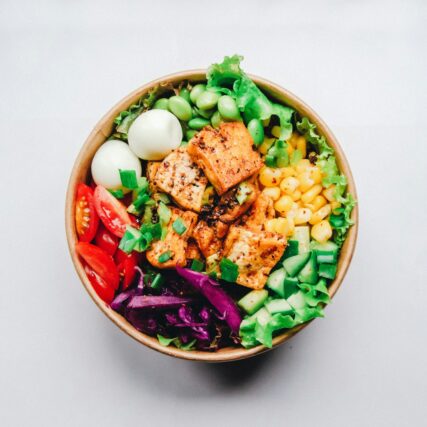
Here’s something that might surprise you: remember that most foods—even vegetables—contain some protein. Maybe not large amounts, but it all counts toward your daily total! So eating a variety of protein foods isn’t just about hitting your numbers; it’s about ensuring you get the biggest nutritional bang for your buck. Different protein sources bring different vitamins, minerals, and beneficial compounds to the table.
The goal isn’t perfection. It’s not about meticulously tracking every gram or stressing over whether you hit exactly 25 grams at breakfast. It’s about building awareness, making intentional choices more often than not, and noticing how you feel when you’re consistently getting enough protein throughout your day.
Start by taking an honest look at your current meals. Are you including protein at breakfast, or is it all carbs and coffee? Is lunch a sad desk salad with barely any protein? Are you starving by dinner and then loading up on a huge portion of chicken or fish? Small shifts can make a big difference. Add eggs to your morning, toss chickpeas on that salad, keep Greek yogurt and nuts on hand for snacks, and try to distribute your protein more evenly.
Why Women Need More Protein Than They Think (And How to Get It)Your body will thank you with more stable energy, better satiety, improved recovery, and overall better health. And that’s something worth prioritizing.