Skip to content
How to Increase Fiber Intake Safely for Better Digestion, Blood Sugar Balance, and Gut Health
I love that you’re trying to up your fiber game! You’ve probably heard that fiber is good for gut health, heart health, weight loss, and blood sugar regulation, and you’re absolutely right. Fiber is good for all of those things and so much more.
But one tricky thing about fiber is that if you’re new to adding it into your diet, you might feel bloated, gassy, and uncomfortable. That doesn’t mean fiber isn’t for you. It just means the little microbes living in your gut aren’t quite ready yet for all that fiber, which is their food.
So if you’re trying to eat more fiber but feel like you’re walking around with a balloon in your belly, you’re not alone. You absolutely can hit that 30 gram fiber goal (and beyond) without turning into a gas filled, uncomfortable mess. It just takes a little strategy and a little patience with your body.
Let me walk you through exactly how to do this, because fiber is genuinely one of the best things you can do for your health, and I want you to actually enjoy the process instead of dreading it.
Why 30 Grams?
First, let’s talk about why we’re even aiming for 30 grams. The USDA recommends 25 to 38 grams of fiber per day depending on age and gender, but emerging research suggests that hitting 30 grams or more comes with some impressive health benefits:
- Better gut health and a thriving microbiome
- Improved blood sugar regulation
- Lower cholesterol levels
- Enhanced satiety, meaning you feel fuller longer
- Reduced risk of chronic diseases including heart disease and type 2 diabetes
- More regular, comfortable digestion
Basically, fiber is the unsung hero of nutrition. But here’s the catch. If you go from eating 10 grams to 35 grams overnight, your gut is going to revolt, and you may feel very uncomfortable.
Understanding the Bloat
So why does fiber cause bloating in the first place? It comes down to how your gut bacteria process it. Fiber is food for your beneficial gut microbes. When you suddenly give them a feast after they’ve been living on a very limited menu, they go into overdrive and produce gas as a byproduct of fermentation.
There are two types of fiber, and understanding them helps:
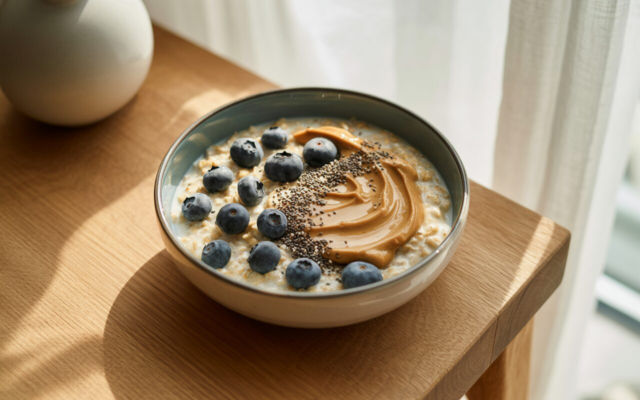
Soluble fiber dissolves in water and forms a gel-like substance. It’s found in oats, beans, apples, and chia seeds. This type tends to be more fermentable, which means it can cause more gas at first, but it’s also incredibly beneficial for gut bacteria and blood sugar. These foods are often considered “prebiotics,” meaning they feed your healthiest, most beneficial bacteria.
Think foods like chia seeds (5g per 2 Tbsp), rolled oats (4g per ½ cup dry), and psyllium husk (5g per 1 Tbsp).
Insoluble fiber does not dissolve in water and acts more like a broom sweeping through your digestive system, giving your stool bulk and helping you stay regular. It’s found in whole grains, vegetables, and wheat bran. This type can be harder to tolerate when you’re new to fiber, but it’s important because it helps with regularity and gives you access to a wide variety of key micronutrients.
Think 100% whole grain bread (3g per slice), bran cereal (5–7g per serving), and high-fiber crackers (3–5g per serving).
The key to avoiding bloat is giving your gut time to adapt while using a strategic mix of both types.

The Gradual Increase Strategy
Here’s your game plan for increasing fiber without the uncomfortable side effects:
Week 1 to 2: Add 5 grams
Track your current fiber intake for a few days to see where you’re starting. Most Americans get about 10 to 15 grams daily. Then add just 5 grams per day. This could be as simple as:
- Swapping white rice for brown rice (adds about 2g)
- Adding a tablespoon of ground flaxseed to your smoothie or yogurt (adds about 2g)
- Having an apple with the skin as a snack (adds about 4g)
Helpful tools here can be ground flaxseed and measuring spoons so you’re not eyeballing portions.
Week 3 to 4: Add another 5 grams
If you’re feeling good, add another 5 grams per day. Try:
- Adding beans to lunch or dinner, ½ cup (adds 7–8g)
- Switching to 100 percent whole grain bread (adds 2–3g per slice)
- Having berries with breakfast, 1 cup (adds 4–8g depending on type)
Convenience foods like canned beans and frozen berry packs make this much easier.
Week 5 and beyond
Continue adding 5 grams every one to two weeks until you hit your goal. The slower you go, the happier your gut will be. There’s no medal for speed here. Comfort is the prize.
Hydration Is So Important
Fiber needs water to do its job. If you increase fiber without increasing water, you’re setting yourself up for constipation and bloating. Fiber absorbs water as it moves through your digestive tract, helping create soft, bulky stools that move easily.
Aim for at least 8 to 10 glasses of water per day, and more if you’re active or live in a hot climate. I tell my clients to think of it this way: every fiber rich meal or snack should come with a glass of water.
This is easier if you keep a reusable water bottle nearby, and some people do better with electrolyte packets to make hydration more appealing.
Strategic Food Choices
Not all fiber rich foods are created equal when it comes to bloating.
Start with gentler options:
- Oats, ½ cup dry (4g)
- Chia seeds, 2 Tbsp soaked (5g)
- Ground flaxseed, 1 Tbsp (2g)
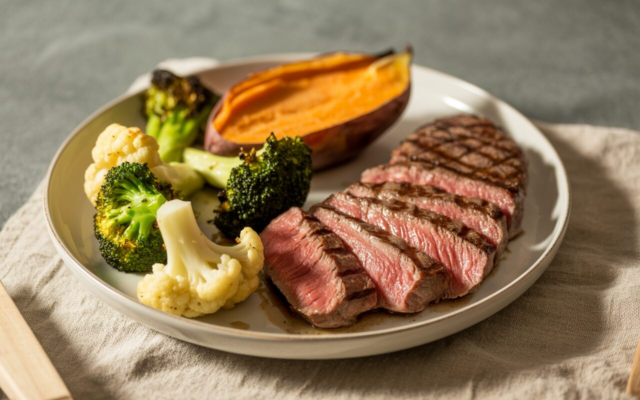
- Sweet potato, medium (4g)
- Avocado, ½ fruit (5g)
- Berries, 1 cup (4–8g)
- Cooked carrots, 1 cup (4g)
Add these more gradually:
- Beans and lentils, ½ cup (7–8g)
- Broccoli and cauliflower, 1 cup cooked (3–5g)
- Onions and garlic (1–2g per serving)
- Brussels sprouts, 1 cup roasted (4g)
Pro tip for beans: rinse canned beans well, or soak dried beans overnight and discard the soaking water. Adding kombu seaweed to the cooking water can help reduce gas causing compounds. Tools like a bean strainer or kombu seaweed can make this process easier.
Timing and Distribution Matter
Don’t load all your fiber into one meal. Spread it out across the day. Instead of eating 20 grams of fiber at lunch, aim for 7 to 10 grams per meal.
Also consider eating your most fermentable foods earlier in the day rather than at dinner. That gives your body more time to digest them and can reduce nighttime discomfort.
Movement Helps
Physical activity helps move gas through your system and supports healthy digestion. You don’t need to run a marathon. Even a 15 minute walk after meals can make a big difference. Gentle yoga, especially twists, can also help relieve bloating. Having a yoga mat or comfortable walking shoes makes this habit easier to stick with.

Sample Day of 30+ Grams
Breakfast (about 8g):
Oatmeal, ½ cup dry (4g)
Greek yogurt, ½ cup (0g fiber but great protein)
Ground flaxseed, 1 Tbsp (2g)
Blueberries, ½ cup (2g)
Almond butter, 1 Tbsp (1g)
Snack (4g):
Apple with skin, medium (4g)
Lunch (about 9g):
Quinoa, ½ cup cooked (3g)
Avocado, ½ fruit (5g)
Mixed greens, 1 cup (1g)
Chickpeas, ¼ cup (3g)
Grilled chicken (0g)
Snack (about 5g):
Almonds, ¼ cup (4g)
Small pear (about 4g, counting partial)
Dinner (about 10g):
Salmon or tofu (0g)
Sweet potato, medium (4g)
Roasted Brussels sprouts, 1 cup (4g)
Side salad with olive oil dressing (2g)
Total: about 36 grams of fiber
When to Be Patient (And When to Get Help)
Some bloating in the first few weeks is normal. Most people adjust within two to four weeks.
If you have severe pain or symptoms that don’t improve, talk with a provider. Conditions like IBS or SIBO may need a more personalized fiber approach.
The Bottom Line
Getting to 30 grams of fiber without bloating is absolutely achievable. Increase slowly, drink water, spread fiber out through the day, and use a mix of soluble and insoluble sources.
Your gut is adaptable. Give it time, and you’ll be amazed at how well you can tolerate and thrive on a high fiber diet.
Frequently Asked Questions About Fiber and Bloating
What is fibermaxxing?
Fibermaxxing is a trend term for intentionally increasing your daily fiber intake, often aiming for 30 grams or more per day, by eating more high-fiber foods like beans, lentils, whole grains, fruits, vegetables, nuts, and seeds.
How much fiber should I eat per day?
Most adults do well aiming for 25 to 38 grams of fiber per day, depending on age and sex. A simple, realistic target that works for many people is around 30 grams daily.
Why does fiber make me bloated?
Fiber can cause bloating when you increase it too quickly. Gut bacteria ferment certain fibers, and that fermentation produces gas. This is normal, but it can feel uncomfortable if your gut is not used to higher fiber intake yet.
How do I increase fiber without bloating?
Go low and slow. Increase fiber by about 3 to 5 grams at a time every few days or each week, spread fiber across meals, choose more gentle fiber sources first, and increase water intake as you increase fiber.
How long does it take for your gut to adjust to more fiber?
For many people, bloating and gas improve within 2 to 4 weeks as the gut microbiome adapts. If symptoms are severe or not improving, it may be worth talking with a healthcare provider.
Should I drink more water when I eat more fiber?
Yes. Fiber needs fluid to move through the digestive system comfortably. Increasing fiber without increasing water can make constipation and bloating worse.
What are the best high-fiber foods for sensitive stomachs?
Many people tolerate these well, especially when introduced gradually: oats, chia seeds, ground flaxseed, berries, avocado, sweet potatoes, cooked carrots, and well-cooked lentils.
Are beans and lentils high in fiber?
Yes. Beans and lentils are some of the highest fiber foods, often providing about 7 to 8 grams of fiber per ½ cup cooked. They can also cause gas for some people, so start with smaller portions and increase slowly.
What is the difference between soluble and insoluble fiber?
Soluble fiber dissolves in water and forms a gel-like texture. It supports blood sugar balance and feeds beneficial gut bacteria. Insoluble fiber does not dissolve in water and helps add bulk to stool, supporting regularity and healthy digestion.
Do fiber supplements help with hitting 30 grams a day?
They can help, especially if you struggle to get enough fiber from food. Start with a small dose, increase slowly, and always drink plenty of water. Food sources are still important because they provide vitamins, minerals, and antioxidants that supplements do not.
What is a good fiber goal if I currently eat very little fiber?
If you are currently around 10 to 15 grams per day, aim for 18 to 20 grams first, then gradually build toward 25 to 30 grams over a few weeks.
When should I talk to a provider about bloating and fiber?
If you have severe pain, significant ongoing bloating that does not improve, unintentional weight loss, blood in stool, or symptoms that disrupt daily life, it is a good idea to talk with a healthcare provider. Some conditions like IBS or SIBO may require a more customized approach.
window.fd(‘form’, { formId: ‘6981ec304c7e41226209d841’, containerEl: ‘#fd-form-6981ec304c7e41226209d841’ });This post may contain affiliate links. This means I may earn a small commission if you make a purchase through my links, at no extra cost to you. I only recommend products I personally use, trust, or would confidently suggest to my clients. Your support helps keep this site running and allows me to continue creating helpful, evidence-based wellness content. Thank you for being here. 💛