Skip to content
How the Specific Carbohydrate Diet Supports Gut Healing, Reduces Inflammation, and What to Eat
If you’ve been dealing with Crohn’s disease, ulcerative colitis, or chronic IBS symptoms that just will not go away, you may have heard about the Specific Carbohydrate Diet, often called the SCD. Maybe your doctor, or mentioned it, or a friend swears it helped their gut issues. And now you’re wondering what this diet actually is and whether it could help you. I have been using this diet more and more with patients with IBD!
Let me break down what the Specific Carbohydrate Diet is, how it works for digestive health, and what eating this way looks like in real life.
What Is the Specific Carbohydrate Diet?
The Specific Carbohydrate Diet is not new. It was developed in the 1920s by Dr. Sidney Haas and later popularized by biochemist Elaine Gottschall in her book Breaking the Vicious Cycle. The diet was originally used for celiac disease and later for inflammatory bowel diseases like Crohn’s disease and ulcerative colitis.
The main idea behind the SCD is simple: some carbohydrates are much harder for a damaged digestive system to break down.
The diet removes complex carbohydrates and disaccharides while allowing monosaccharides. In plain English, this means removing foods that are difficult to digest and that feed harmful gut bacteria, while keeping foods that are easier to absorb and gentler on the gut.
Why Does the Specific Carbohydrate Diet Work?
With chronic digestive conditions, the intestinal lining is often inflamed and damaged. Enzyme production can be low, and the balance of gut bacteria is disrupted.
The Specific Carbohydrate Diet works by breaking what Gottschall called “the vicious cycle” of gut inflammation.
Here’s how that cycle typically happens:
→Undigested carbohydrates remain in the intestines
→Bacteria and yeast feed on those carbohydrates
→These microbes produce toxins that damage the gut lining
→A damaged gut cannot properly digest carbohydrates
→More carbohydrates remain undigested
→Inflammation increases
By removing complex carbohydrates, the SCD reduces the fuel source for harmful bacteria and gives the gut time to heal.
The diet may help by:
Reducing bacterial overgrowth
Lowering gut inflammation
Improving nutrient absorption
Supporting a healthier gut microbiome
Foods Allowed on the Specific Carbohydrate Diet
The SCD is restrictive, especially at first, but many people find it becomes manageable once they understand the food rules.
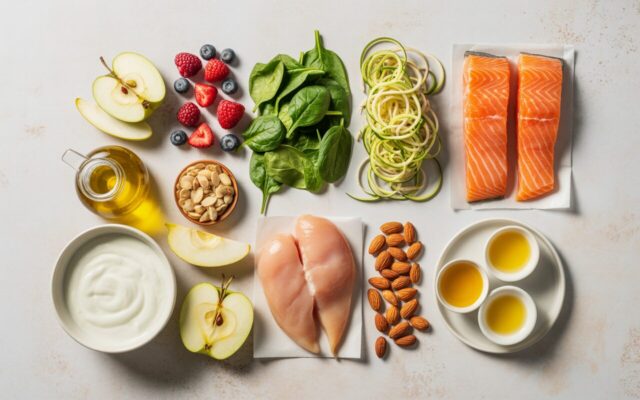
Allowed foods:
- Fresh meat, poultry, and fish
- Eggs
- Most non-starchy vegetables
- Most fruits
- Soaked and fully cooked dried beans and lentils (after symptoms improve)
- Nuts and nut flours
- Aged hard cheeses
- Homemade 24-hour fermented yogurt
- Honey
- Olive oil, coconut oil, and butter
Foods to avoid:
- All grains and grain products
- Starchy vegetables like potatoes and parsnips
- Most dairy products
- Sugar except honey
- Processed foods
- Canned foods with additives
- Carrageenan and certain fiber additives
The focus is on whole, unprocessed foods that are easier for the digestive system to handle.
3-Day Specific Carbohydrate Diet Meal Plan
This sample meal plan shows what a day of eating on the SCD can look like. Adjust based on your tolerance and preferences.

Day 1
Breakfast: Scrambled eggs with spinach and mushrooms, strawberries
Snack: Almonds and an apple
Lunch: Grilled chicken salad with olive oil and lemon
Snack: SCD yogurt with blueberries and honey (here is a yogurt starter and a Yogurt Maker)
Dinner: Baked salmon with Brussels sprouts and cauliflower, fruit salad
Day 2
Breakfast: Almond flour pancakes with blueberries and yogurt
Snack: Celery with almond butter
Lunch: Chicken vegetable soup
Snack: Pear with aged Swiss cheese
Dinner: Beef burger patty with lettuce and tomato, roasted butternut squash, broccoli
Day 3
Breakfast: Vegetable omelet with peppers and zucchini, orange slices
Snack: Banana and pecans
Lunch: Tuna salad over mixed greens
Snack: SCD Yogurt smoothie with strawberries and honey (here is a yogurt starter and a Yogurt Maker)
Dinner: Pot roast with carrots and green beans, melon

Tips for Following the Specific Carbohydrate Diet
- Batch cook proteins and vegetables
- Keep hard-boiled eggs ready
- Make yogurt weekly
- Read food labels carefully
- Stick to simple ingredient lists
Is the Specific Carbohydrate Diet Right for You?
The Specific Carbohydrate Diet is not appropriate for everyone and should not be started casually. It requires planning and consistency and works best with guidance from a healthcare provider or dietitian familiar with the protocol. (Reach out if you need help)
Research and clinical experience suggest it may help people with Crohn’s disease, ulcerative colitis, IBS, and other chronic gut conditions by reducing inflammation and improving digestion.
Healing takes time. The SCD is not a quick fix, but for the right person, it can significantly improve symptoms and quality of life.
I share this information for education, not as medical advice. The Specific Carbohydrate Diet is a specialized approach and is not right for everyone. Please talk with your healthcare provider or a registered dietitian before making major dietary changes, especially if you have a medical condition or take medications.
This article contains Affiliate links, rest assured I only recommend products I trust!