Skip to content
How to Protect Muscle, Support Metabolism, and Feel Strong While Losing Weight on GLP-1 Medications
GLP-1s are everywhere right now. And honestly, a lot of people are seeing real benefits, weight loss, less food noise, and a much healthier, more peaceful relationship with food.
As a dietitian and as a human who has struggled with food obsession, weight management and overeating at different points in my own life, I’m actually a big fan of these medications when they’re used thoughtfully. Beyond weight loss, GLP-1s can support blood sugar regulation, improve heart health, potentially reduce dementia risk, support kidney health, and lower overall inflammation. That’s a pretty impressive list.
But here’s the issue I’m seeing more and more.
Because GLP-1s significantly reduce appetite, many people just… stop eating enough. And when they do eat, it’s often low-nutrient, convenience food. Over time, that combo can lead to side effects like hair loss, muscle loss, fatigue, and a slower metabolism, sometimes leaving people worse off metabolically than when they started.
So let’s talk about why this happens, and more importantly, what you can do about it.

Why muscle loss can happen on GLP-1s
When you’re eating significantly less, your body still needs energy. Ideally, it pulls from stored body fat. But without enough protein and without resistance training, your body will also break down muscle for fuel.
That’s not ideal.
Research shows that without a strategy, 25–40% of total weight lost can come from lean muscle mass. So if someone loses 50 pounds, 12–20 pounds of that could be muscle. That’s a big deal.
This isn’t a reason to panic or stop your medication. It’s just a reminder that we need to be intentional about protecting what matters while letting go of what doesn’t.
Why muscle matters more than you think
Muscle isn’t just about aesthetics, although toned arms and strong legs are a nice bonus. Muscle is a metabolically active tissue. It helps regulate blood sugar, supports joint health, protects bone density, keeps your metabolism working efficiently, and helps you stay strong and independent as you age.
Losing too much muscle can make it harder to maintain weight loss long term and can leave you feeling weak, tired, and flat.
The good news is this: you can absolutely protect your muscles while losing weight on GLP-1s. It just takes a little strategy with nutrition and movement.
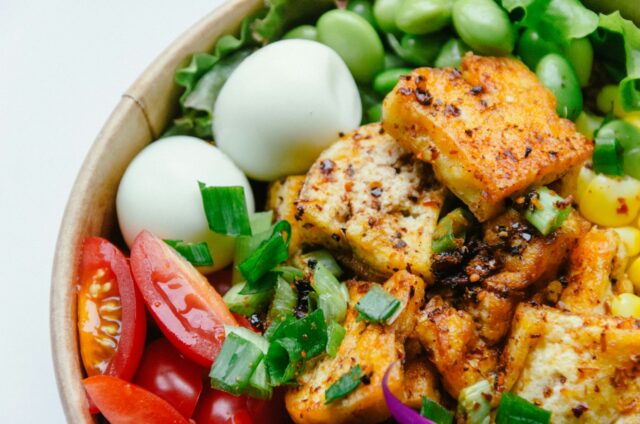
Protein is non-negotiable
If there’s one thing I want you to take away from this, it’s this:
Protein is essential when you’re on a GLP-1.
When your appetite is suppressed and you’re eating smaller portions, every bite has to count. Protein needs to be the foundation of every meal and snack, not an afterthought and not something you “try to get in later.”
How much protein do you actually need?
I generally recommend about 0.7–1 gram of protein per pound of goal body weight, or roughly 1.2–1.5 g per kg.
If math makes your eyes glaze over, here’s the simple version:
Most people should aim for 80–120 grams of protein per day, depending on body size and activity level.
I know that can sound like a lot when you’re full after a few bites. But stay with me, because we’ll talk about how to make this doable.
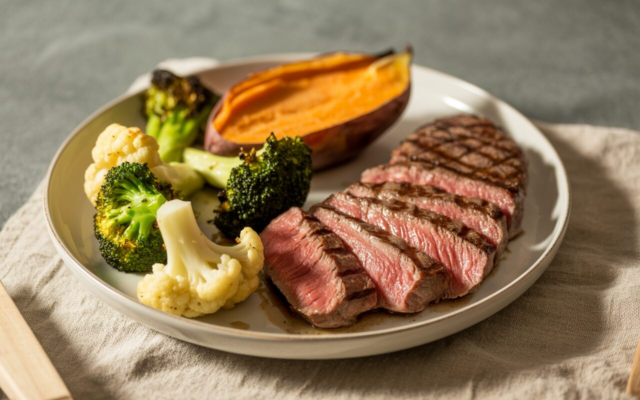
Why higher protein matters
Adequate protein helps:
- Preserve muscle during weight loss
- Keep you fuller longer
- Support blood sugar stability
- Improve recovery if you’re exercising
- Reduce fatigue and weakness
When you’re eating less overall, protein becomes even more important, not less.
Smart protein strategies when your appetite is low
Let’s be real. Eating enough protein on GLP-1s can feel hard. Some days, food just doesn’t sound good. Big portions can feel overwhelming. So instead of fighting that, we work with it.
Lead with protein.
Eat your protein first, before carbs or veggies. When you only have room for a few bites, make those bites count.
Rethink meals.
You don’t need three traditional meals. Snack-style eating often works better. Greek yogurt mid-morning, a hard-boiled egg in the afternoon, a protein shake before bed, it all adds up.
Use protein shakes strategically.
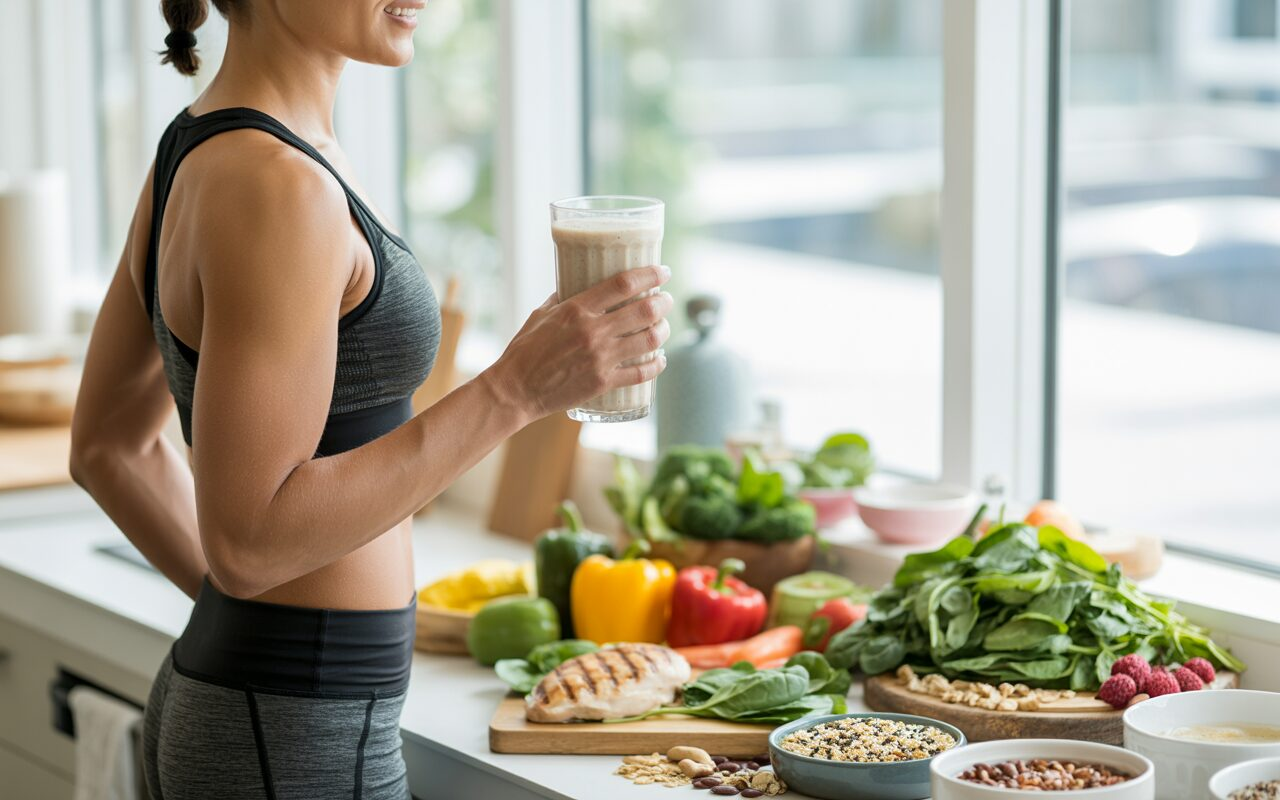
When solid food feels like too much, a shake can be a lifesaver. Protein powder mixed with milk or a milk alternative can give you 20–30 grams of protein without feeling heavy.
Choose protein-dense foods.
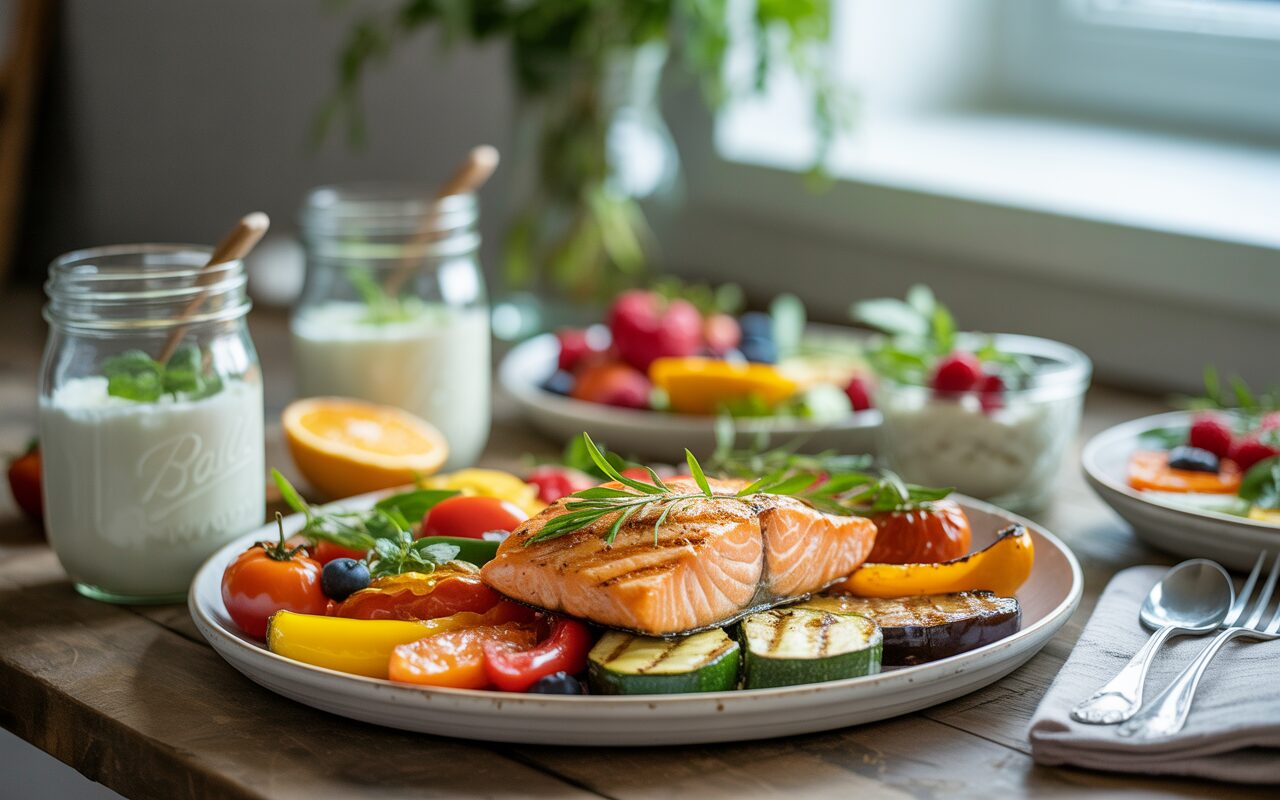
Think Greek yogurt, cottage cheese, eggs, fish, lean meats, tofu, edamame, and protein powder. You get more protein in less volume.
Spread protein throughout the day.
Your body can only use so much protein at once for muscle maintenance. Aim for 20–30 grams per eating occasion when possible.
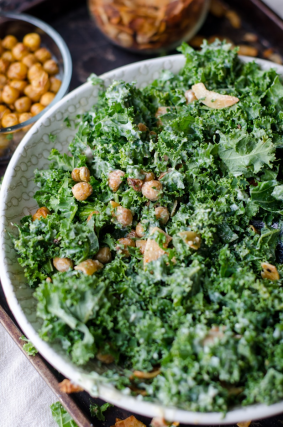
Nutrients that also support muscle health
Protein is the MVP, but it’s not the only player.
Vitamin D supports muscle strength and function. Many people are low, especially if they’re indoors a lot. Getting levels checked can be helpful.
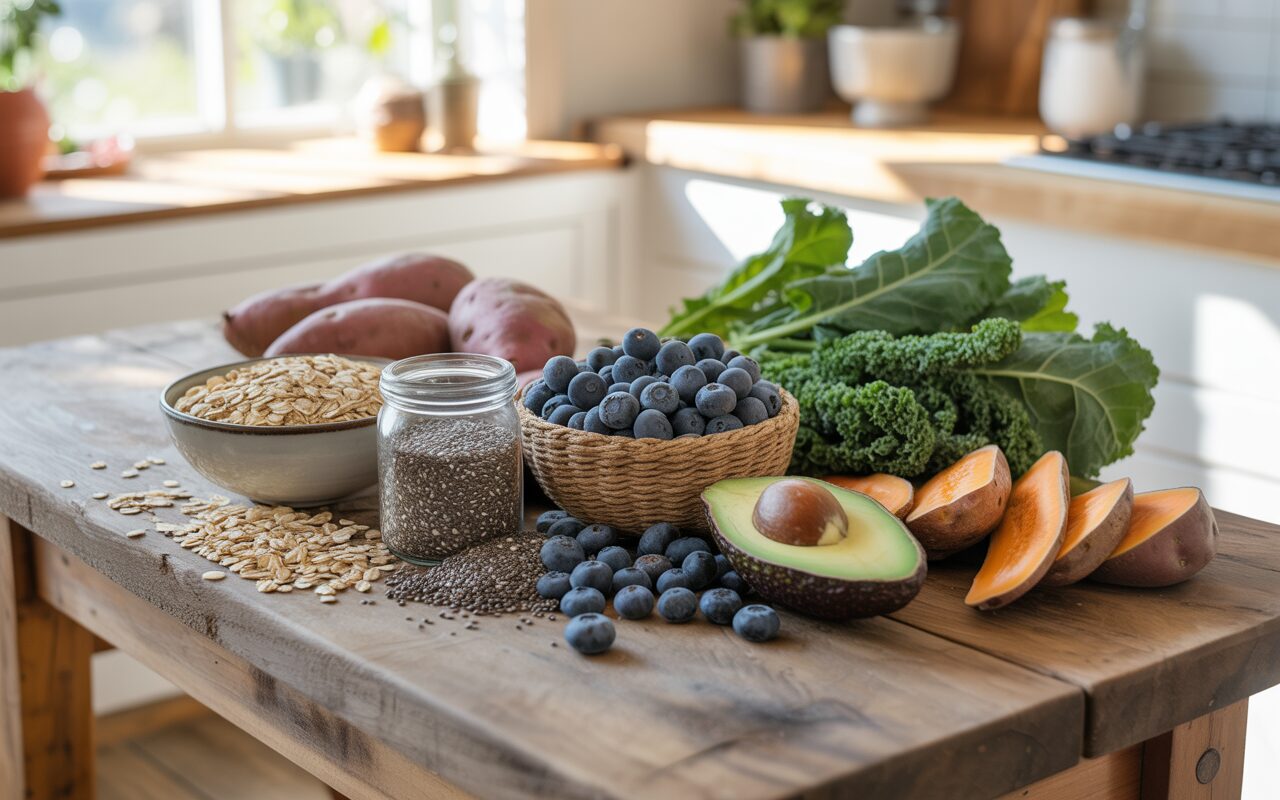
Magnesium supports muscle contraction, relaxation, and sleep. Foods like leafy greens, pumpkin seeds, beans, and dark chocolate help, and supplementation can be useful, especially since soil depletion has lowered magnesium content in foods.
Omega-3s help reduce inflammation and support muscle recovery. Fatty fish is ideal, and fish oil supplements can help if fish isn’t a regular part of your diet.
Creatine is one of the most researched supplements for muscle preservation. A daily dose of 3–5 grams can be especially helpful if you’re strength training. Here is a good quality creatine + Magnesium supplement
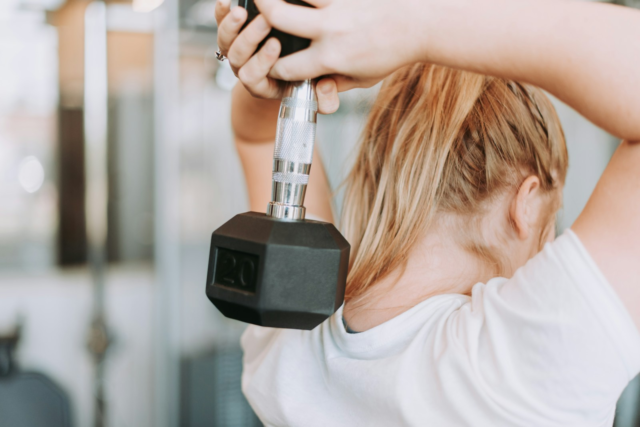
Don’t forget about Resistance Training
Here’s the honest truth. You cannot protect muscle with food alone.
Resistance training is what tells your body, “We need this muscle. Don’t get rid of it.”
You don’t need to live in the gym. But you do need to challenge your muscles regularly. That can be weights, resistance bands, booty focused restiance bands, bodyweight exercises, or guided strength classes.
Aim for 2–3 resistance training sessions per week, hitting all major muscle groups.
Walking is fantastic for mental and cardiovascular health, but it’s not enough on its own to preserve muscle. Strength training matters. And yes, you will probably love how you feel and how your body looks with more defined muscles. 🙂
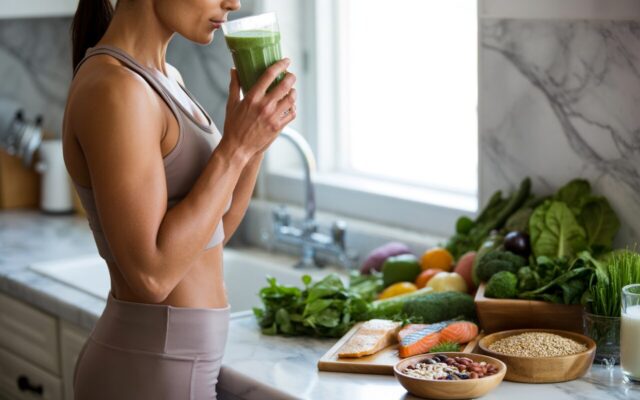
Preventing muscle loss on GLP-1s isn’t about perfection. It’s about intention.
Prioritize protein at every eating opportunity. Use smart strategies when your appetite is low. Support your body with key nutrients. And move your body in ways that signal strength, especially resistance training.
GLP-1s can be incredibly powerful tools, not just for weight loss, but for long-term health. Protecting your muscle along the way helps ensure you feel strong, energized, and metabolically healthy for years to come.
Progress over perfection. Every protein-rich meal and every strength session counts.
Want more help hitting your protein goals? Check out my article on how to get 120g of protein and 30+ grams of fiber daily, which is especially important on GLP-1s since they slow digestion and fiber helps keep everything moving smoothly.
Frequently Asked Questions About GLP-1 Muscle Loss Prevention
Can you lose muscle while taking GLP-1 medications?
Yes. GLP-1 medications significantly reduce appetite, which puts you in a calorie deficit. Without enough protein and resistance training, your body may break down too much muscle, along with fat. That’s why GLP-1 muscle loss prevention is so important.
Why does muscle loss matter during weight loss on GLP-1s?
Muscle supports your metabolism, blood sugar control, strength, long-term weight maintenance and overall good health and healthy aging. Losing too much muscle can slow your metabolism, increase fatigue, and make it harder to keep weight off once you stop the medication. And this is really important, it puts us at risk of bone loss and weakness later in life, which, if you are young, may not matter to you now, but when you are 70, and you are struggling, you will be, and it’s harder to build muscle when we are older.
How much protein do I need for GLP-1 muscle loss prevention?
Most people do best aiming for 80–120 grams of protein per day, depending on body size and activity level. Protein helps preserve muscle, stabilize blood sugar, and support energy when overall food intake is lower. If you want to get more specialized
What if I’m not hungry enough to eat that much protein?
This is very common on GLP-1s. Focus on protein-dense foods, eat protein first at meals, use protein shakes when solid food feels like too much, and spread protein intake throughout the day in smaller portions.
Is strength training really necessary on GLP-1s?
Yes. Nutrition alone isn’t enough for GLP-1 muscle loss prevention. Resistance training signals your body to keep muscle. Even two to three sessions per week using weights, bands, or bodyweight exercises can make a big difference.
Is walking enough to prevent muscle loss on GLP-1 medications?
Walking is great for cardiovascular and mental health, but it does not adequately preserve muscle mass on its own. Strength training is essential for maintaining muscle while losing weight.
Do supplements help with GLP-1 muscle loss prevention?
They can support your efforts, but they don’t replace protein and movement. Vitamin D, magnesium, omega-3s, and creatine may help support muscle health, especially if intake from food is low.
Can I prevent muscle loss and still lose weight on GLP-1s?
Absolutely. With adequate protein, consistent resistance training, and supportive nutrients, you can lose weight while preserving muscle, supporting your metabolism, and feeling strong throughout the process.