The Best Fiber-Rich Foods for Bloating Relief, Better Digestion, and a Happier Gut
If you’ve ever finished a meal feeling like you swallowed a balloon, you’re not alone. Bloating is one of the most common digestive complaints I hear from clients, and the good news is that what you eat can make a significant difference, and fast. The not-so-obvious answer? More fiber. Yes, really. While it might seem counterintuitive (don’t fiber-rich foods cause bloating?), the right fiber-rich foods can actually help relieve bloating, improve gut motility, and support a happier digestive system overall.
Let’s break down the science, bust a few myths, and talk about the specific high fiber foods you’ll want to start adding to your plate.
Why Fiber Helps You Debloat (The Science Behind It)
Bloating usually comes down to one of a few culprits: slow digestion, constipation, imbalanced gut bacteria, or excess gas trapped in the GI tract. Soluble fiber, the kind that dissolves in water, acts like a gentle broom for your digestive system. It absorbs water, softens stool, and helps things move along more efficiently. When digestion is moving at a healthy pace, gas doesn’t get the chance to build up and cause that uncomfortable pressure.
There’s also the gut microbiome piece. Prebiotic fiber, a specific type of soluble fiber, is a favorite of beneficial bacteria in your gut. When those good bacteria are well-nourished and thriving, they do a much better job of breaking down food, reducing fermentation-related gas, and keeping inflammation in check. A healthy gut microbiome is genuinely one of your best defenses against chronic bloating.
That said, fiber isn’t a one-size-fits-all situation. Insoluble fiber (found in things like wheat bran) can actually worsen bloating for some people, especially if you ramp it up too quickly or if you’re dealing with IBS. The key is knowing which fiber-rich foods tend to be gentler on digestion, and that’s exactly what we’re covering here.

The Best High Fiber Foods for Debloating
1. Avocado
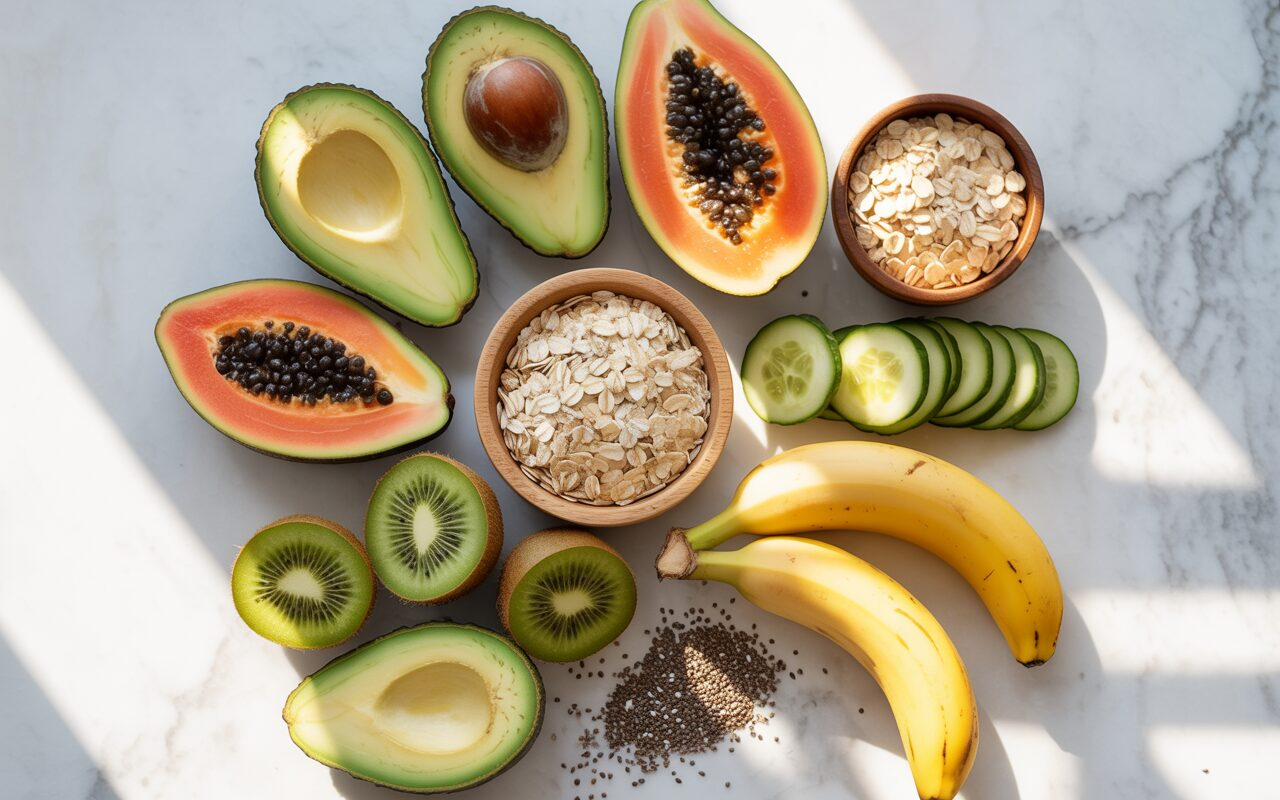
Avocados are a bloat-fighting powerhouse that don’t get nearly enough credit. One half of an avocado contains about 5 grams of fiber, predominantly the soluble kind, along with potassium, a mineral that helps balance sodium and reduce water retention. If you’re waking up feeling puffy, adding avocado to your breakfast or lunch is a smart, gentle place to start. Try this Ultimate Breakfast Burrito bowl
2. Papaya
Papaya contains a naturally occurring enzyme called papain that helps break down proteins in the digestive tract. It’s also rich in soluble fiber and has a high water content, making it one of the most effective fruits for relieving bloating quickly. Many of my clients notice a difference within a day or two of adding papaya to their routine.
3. Kiwi
Don’t sleep on kiwi. This little fruit is high in fiber and contains an enzyme called actinidin that specifically helps with protein digestion. Research has shown that eating two kiwis per day can meaningfully improve bowel regularity and reduce bloating, particularly in people with constipation-dominant symptoms.
4. Spinach and Dark Leafy Greens
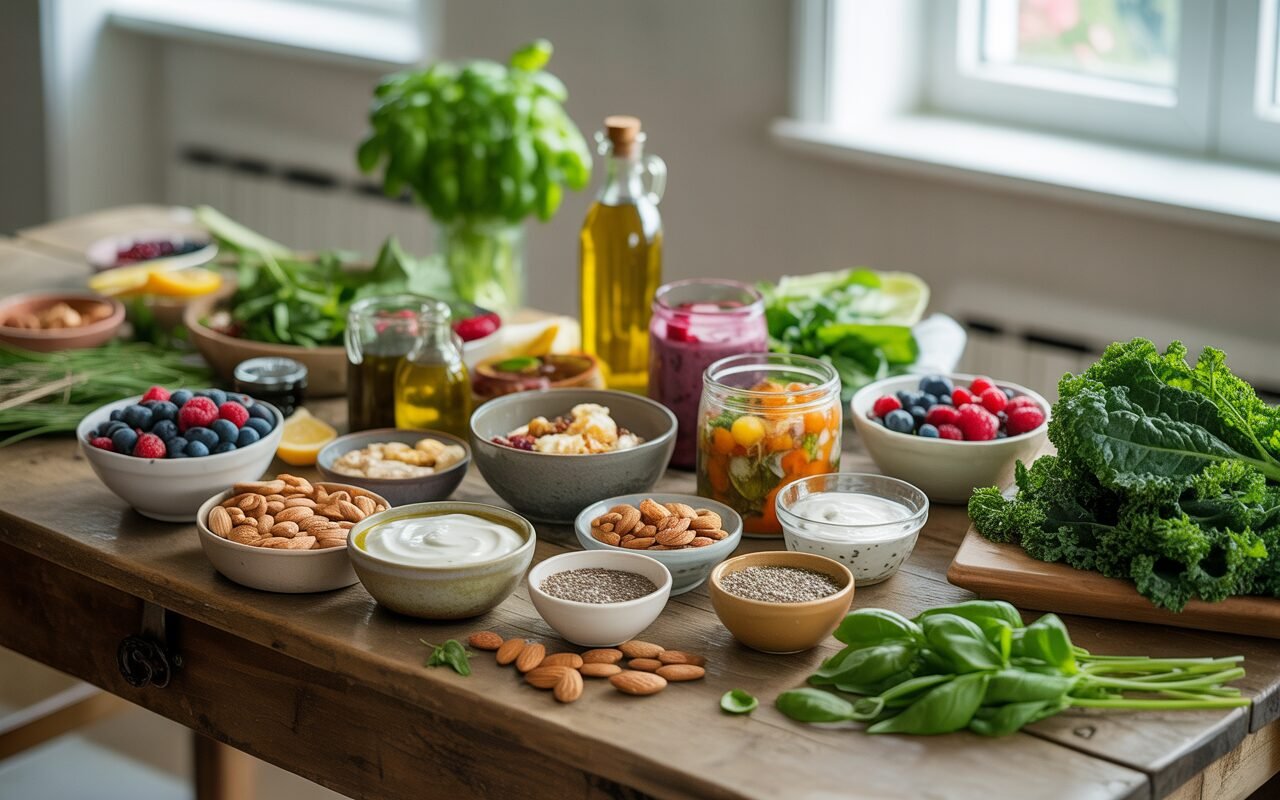
Spinach, kale, and other leafy greens are rich in magnesium, which helps relax the muscles in your GI tract and draw water into the colon, both of which support easier, more regular bowel movements. They’re also high in fiber without being overly bulky or harsh on the gut. Cooked greens tend to be even gentler on digestion than raw, which is worth keeping in mind if you’re particularly sensitive. Try this Summer Cobb Salad
5. Cucumber
Cucumber is about 95% water, which makes it incredibly hydrating. It also contains quercetin, an antioxidant that helps reduce intestinal gas and inflammation. Snacking on a cucumber or adding it to salads and smoothies is one of the easiest ways to debloat quickly on a busy day.
6. Bananas
Bananas can be a great source of resistant starch and soluble fiber, both of which feed beneficial gut bacteria and help regulate digestion. They’re also rich in potassium, which counteracts bloating caused by high sodium intake. Slightly underripe bananas actually have a higher resistant starch content, making them an especially good prebiotic choice. Pro tip: bananas ripen fast, so you can freeze them when they’re slightly underripe, right in that prime resistant starch phase.
7. Oats
Oats are one of the richest sources of beta-glucan, a type of soluble fiber that forms a thick gel in the digestive tract, slowing digestion in a helpful way and feeding good gut bacteria. Starting your morning with a bowl of oatmeal is one of the most reliable things you can do to support healthy, regular digestion throughout the day. Try this Overnight Oats Recipe
8. Legumes (the Right Way)
Beans, lentils, chickpeas, and edamame are fiber-rich foods that are genuinely excellent for gut health, but they do require a little strategy. If you eat them regularly, your gut bacteria adapt and bloating tends to decrease significantly over time. If you’re new to legumes, start small (a quarter cup per day) and increase gradually. Soaking dried beans and rinsing canned beans also reduces the gas-producing compounds considerably.
9. Chia Seeds and Flaxseeds
Both chia and flax are incredibly high in soluble fiber and omega-3 fatty acids, which help reduce gut inflammation. Chia seeds absorb up to ten times their weight in water, forming a gel that keeps digestion moving smoothly. Add them to smoothies, oatmeal, or yogurt, but make sure you’re also drinking plenty of water when you increase your seed intake.
10. Broccoli and Brussels Sprouts (in Moderation)
These cruciferous vegetables are high in fiber and valuable nutrients, but they do contain a sugar called raffinose that some people have difficulty breaking down. Cooking them thoroughly (roasting is great) breaks down some of those compounds and makes them much more digestible. If you’re sensitive to cruciferous vegetables, start with smaller portions and work your way up.

Practical Tips for Using Fiber to Debloat
Adding more fiber-rich foods to your diet is a great goal, but how you do it matters just as much as what you eat. Here are a few things to keep in mind:
Go gradually. Adding too much fiber too quickly is one of the most common reasons people experience more bloating, not less. Aim to increase your fiber intake slowly over two to three weeks to give your gut time to adjust.
Drink more water. Fiber needs water to do its job. Without adequate hydration, soluble fiber can actually slow digestion down and worsen constipation. Aim for at least 8 cups of water per day, more if you’re very active.
Chew thoroughly. Digestion starts in your mouth (so many people forget this!). Chewing your food well reduces the amount of work your gut has to do and significantly cuts down on the amount of air you swallow, a surprisingly common cause of bloating.
Watch out for high-FODMAP foods. Some fiber-rich foods (like certain legumes, onions, and garlic) are also high in FODMAPs, fermentable carbohydrates that can trigger bloating in sensitive individuals. If you’ve tried everything and still struggle, working with a dietitian to explore a low-FODMAP approach may be worth considering. Keep in mind that a low-FODMAP diet is for symptom management and a temporary fix. Go low-FODMAP to reduce your GI symptoms, and at the same time work to heal your gut and rebalance your GI microbes to address the underlying issues.
Want more High Fiber Articles? You might also like this one about how to easily get 120g protein and 30 + g of Fiber a Day
Highlights for a High Fiber Diet That Helps with Bloating
Bloating doesn’t have to be your new normal. The right fiber-rich foods, particularly those high in soluble fiber, prebiotic compounds, and digestive enzymes, can make a real difference in how you feel day to day. Focus on building a plate full of fruits, vegetables, legumes, seeds, and whole grains, and give your body a few weeks to adjust. Your gut will thank you.
Have questions about which high fiber foods are right for your specific situation? Schedule a nutrition counseling session to get to the root of your GI issues!
Download my Free 30+ Fiber Guide
Frequently Asked Questions
What are the best high fiber foods to help you debloat? The best high fiber foods for debloating are those rich in soluble fiber, like avocado, oats, bananas, chia seeds, and papaya. These foods help move digestion along, feed beneficial gut bacteria, and reduce the gas buildup that causes bloating. Fruits with natural digestive enzymes, like papaya and kiwi, are especially helpful for quick relief.
How quickly can fiber rich foods help with bloating? It depends on the cause of your bloating, but many people notice improvement within one to three days of consistently eating fiber rich foods. Foods like papaya, cucumber, and bananas tend to work relatively quickly, while longer term relief comes from building a diet rich in prebiotic fiber that supports a healthy gut microbiome over time.
Can high fiber foods make bloating worse? Yes, they can, especially if you increase your intake too quickly or choose the wrong types. Insoluble fiber and high-FODMAP foods like certain legumes, onions, and garlic can trigger or worsen bloating in sensitive individuals. The key is to start slow, stay hydrated, and focus on soluble fiber sources first. If bloating persists, working with a dietitian to explore your individual triggers is always a good idea.
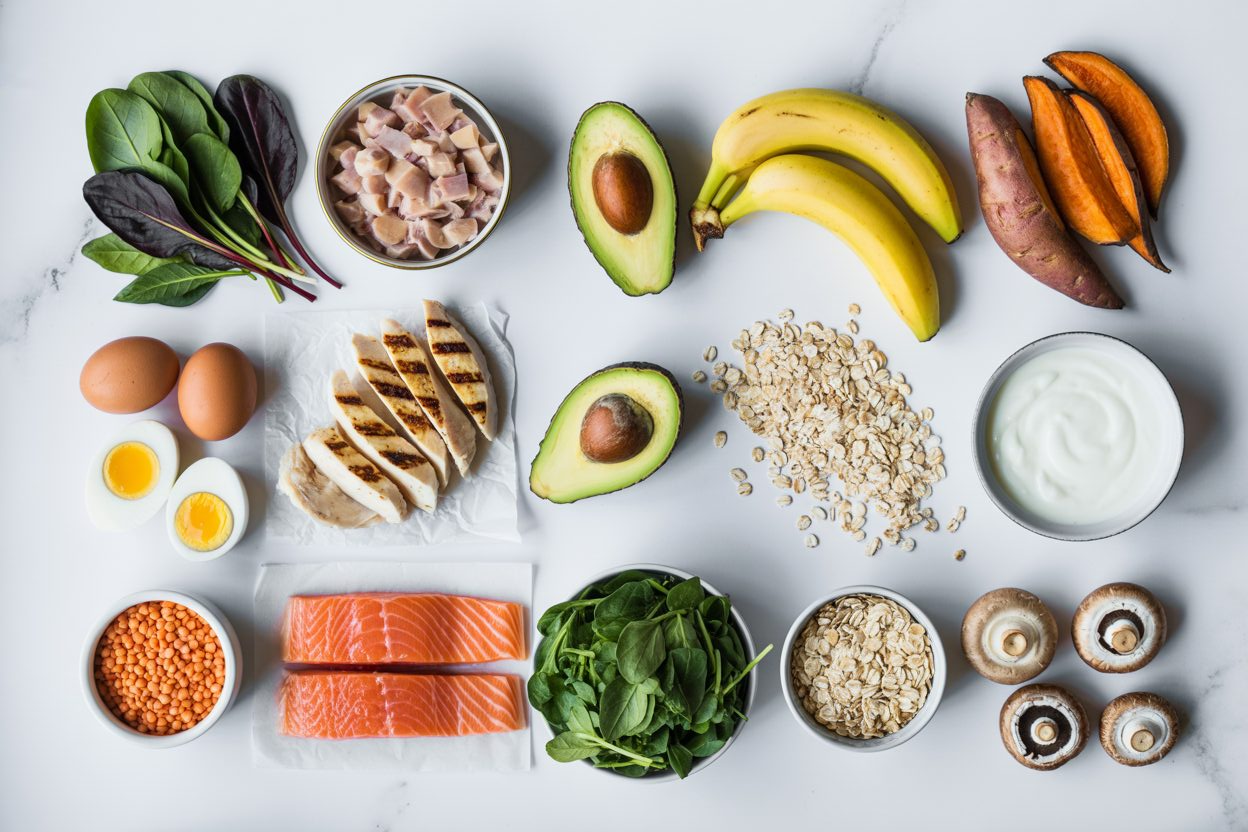
What are debloating foods I can eat every day? Great everyday debloating foods include cucumber, spinach, avocado, oats, bananas, and chia seeds. These are gentle on digestion, rich in soluble fiber, and easy to work into meals without much effort. Consistency matters more than perfection, so aim to include at least two or three of these in your daily routine.
How do I debloat quickly? To debloat quickly, focus on hydration, gentle movement, and easy-to-digest fiber rich foods like cucumber, papaya, and cooked leafy greens. Avoid carbonated drinks, excess sodium, and raw cruciferous vegetables in the short term. Chewing your food thoroughly and eating slowly also makes a bigger difference than most people expect. You can also try some digestive enzymes to see if that helps.
Are fiber rich meals better than fiber supplements for bloating? Whole food sources of fiber are generally more effective than supplements because they come packaged with water content, digestive enzymes, antioxidants, and prebiotics that work together to support digestion. Supplements can be a helpful addition, but they should not replace fiber rich meals. If you are considering a fiber supplement, talk to a dietitian to find the right type and dose for your specific needs.