Skip to content
Your guide to the most powerful anti-inflammatory foods, what makes them work, and how to start eating more of them today.
I’m sure you have heard about inflammation at this point — most people have, and it’s kind of everywhere, and for good reason. It really is often at the root of most chronic disease and general aches and pains like achy joints, acne breakouts, rashes, outrageous seasonal allergies… it’s a real problem in our modern world. I mean, inflammation has always been a part of our physiology and it is actually really helpful in short bursts. It stops infection or invasion (think flu and cold) but then subsides. But the chronic, low-grade inflammation that we are dealing with these days is the problem. So whatever we can do to support our bodies in controlling inflammation is a good thing. And our diet plays a huge role in inflammation.
So What Even Is Inflammation?
Before we dive into the food list, a quick refresher. What is inflammation? Like I said, inflammation isn’t always the bad guy. Acute inflammation, like when you twist your ankle and it swells up, is your immune system doing exactly what it’s supposed to do. The problem is chronic, low-grade inflammation that simmers in the background for months or years. That’s the kind that’s been linked to heart disease, type 2 diabetes, autoimmune conditions, cancer, digestive issues, and a whole lot of “I just don’t feel great and I can’t explain why.”
What is going on, you might ask, why do we have this chronic inflammation? Well, that’s complicated and multifaceted, but basically, inflammation is an immune response, and if you have chronic inflammation, your immune system has been activated in some way. Common triggers include the GI tract: food sensitivities, food contaminants like pesticides, inflammatory foods, additives, and food dyes. Also dysbiosis (the good microbes in your gut are largely responsible for regulating your immune system, and if that’s not happening, your immune system can get dysregulated). Having bad microbes in your gut can also be a direct cause of immune activation. And many people deal with hyperpermeability of the gut lining (aka leaky gut), which is a BIG activator of the immune system. Then there are other factors like environmental toxins, chronic emotional stress (both current and past), and so many other things. Our bodies are equipped to handle stress and re-regulate the immune system, but if there is too much, or if we don’t have the anti-inflammatory ingredients to allow our body to heal, it just can’t. And that’s when things start to go wrong.
The good news? Food is one of the most powerful levers you have to turn down the dial on inflammation and give your body the ingredients it needs to do its good work.
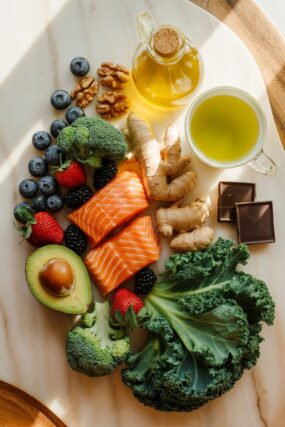
So here is a list of some of the most potent foods to help manage inflammation!
The Anti-Inflammatory Foods List
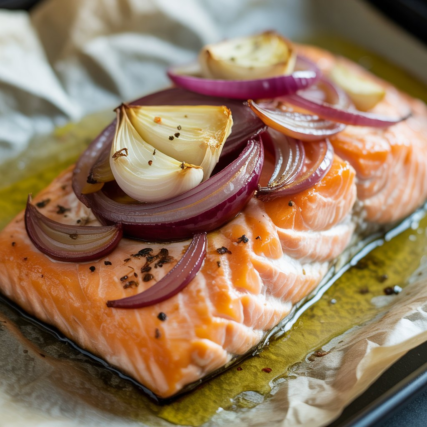
Fatty Fish & Seafood
This category is the heavy hitter of the anti-inflammatory world, and for good reason. Fatty fish are loaded with
The best sources include:
Fatty Fish: Salmon (wild-caught when possible), sardines (criminally underrated!), mackerel, herring, anchovies, tuna, trout. Try This Salmon Recipe
Aim for at least two servings of fatty fish per week. If seafood isn’t your thing, a high-quality
Fruit
Fruit gets a bad rap sometimes (thanks, diet culture), but when we’re talking about inflammation, fruit is very much on the good guys’ team. Most fruits are rich in polyphenols and flavonoids (phytochemicals), plant compounds that have been shown to reduce oxidative stress and inflammatory markers in the body. They’re also packed with vitamin C, which supports immune function and acts as a powerful antioxidant.
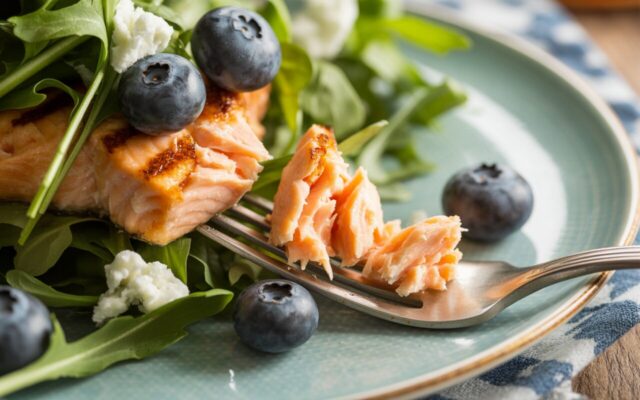
Top anti-inflammatory fruits include:
- Berries: blueberries (one of the most researched, anthocyanins are the star here), strawberries, raspberries, and blackberries
- Tart cherries (especially helpful for joint inflammation and muscle recovery) These are great in smoothies or on top of yogurt or
chia pudding. - Oranges and other citrus fruits
- Pomegranate
- Grapes (especially red and purple varieties)
- Pineapple (contains bromelain, an enzyme with natural anti-inflammatory properties)
Fruit is an easy win, and berries in particular are genuinely one of the easiest wins in anti-inflammatory eating. A handful on your yogurt, blended into a smoothie, or eaten straight (or maybe with a little protein and fat to balance the carbs for blood sugar balance).
Vegetables
Okay, not exactly a shocking addition to the list. But within the broad category of “vegetables,” there are a few subcategories that really shine when it comes to inflammation specifically.
- Leafy greens are rich in vitamin K, folate, and a range of antioxidants that have been shown to lower levels of inflammatory markers like CRP (C-reactive protein). Think: spinach, kale, Swiss chard, arugula, collard greens. Try these Salad Recipes, HERE, HERE and HERE
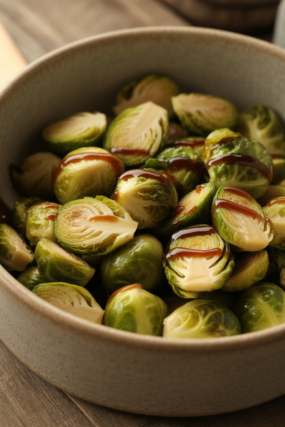
- Cruciferous vegetables contain a compound called sulforaphane, which activates your body’s own antioxidant defense pathways. This is a big deal. We’re talking: broccoli, cauliflower, Brussels sprouts, cabbage, bok choy. Try this simple Roasted Cauliflower Recipe
- Alliums, your onions, garlic, leeks, and shallots, are rich in quercetin and organosulfur compounds, both of which have demonstrated anti-inflammatory effects. Garlic especially has been studied extensively for its role in modulating immune response.
Basically: eat all the vegetables! But if you’re looking to maximize your anti-inflammatory bang for your buck, load up on the greens, go heavy on the cruciferous, and don’t skimp on the garlic.
Healthy Fats

Fat has been so unfairly villainized for so long. The right fats are genuinely some of the most anti-inflammatory foods you can eat, full stop.
Extra virgin olive oil is arguably the gold standard here. It contains oleocanthal, a compound that works similarly to ibuprofen in inhibiting inflammatory enzymes. That peppery bite you get from a really good olive oil? That’s the oleocanthal. It’s a good sign. Use it generously. Want to know more about the benefits of Olive Oil? Read this!
Avocados are rich in monounsaturated fats, vitamin E, and carotenoids, a combination that research has linked to lower inflammatory markers. They also contain a unique compound called polyhydroxylated fatty alcohols (PFAs), which have anti-inflammatory properties of their own. Try this Avocado Pudding
Nuts and seeds:
Nuts: walnuts (highest in ALA
Seeds: flaxseeds and chia seeds (excellent plant-based
A small handful of nuts daily has been consistently associated with lower inflammatory markers in research. That is a very low bar to clear for a very solid payoff.
Herbs & Spices
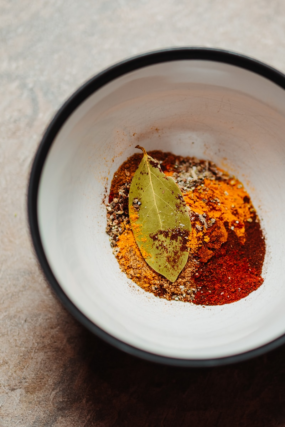
This is my favorite category to talk about because people always underestimate how much heavy lifting herbs and spices are doing in an anti-inflammatory diet. They are not just flavor. They are functional powerhouses. You see how I was raving about vegetables up above? Spices are like concentrated little vegetables, full of potent bioactives. (Fun fact: did you know many pharmaceutical drugs are developed from plant compounds? Plants truly are medicinal, and you have the opportunity to dose yourself with healing compounds multiple times per day!)
- Turmeric (the GOAT!): curcumin, the active compound in turmeric, has been studied extensively for its ability to block NF-kB, a molecule that travels into the nuclei of cells and turns on genes related to inflammation. The catch: curcumin has relatively poor bioavailability on its own. Pair it with black pepper (which contains piperine) and you increase absorption significantly. This is why you’ll always see me using both together in cooking. Try this Golden Milk Recipe
- Ginger contains gingerols and shogaols, which inhibit the production of pro-inflammatory cytokines. It’s also wonderful for gut motility and nausea, which makes it a multi-tasker I can really get behind.
- Cinnamon (particularly Ceylon cinnamon): shown to reduce CRP levels.
- Rosemary: contains rosmarinic acid, a potent antioxidant.
- Cloves: one of the highest antioxidant-containing spices measured by ORAC value.
- Cayenne and chili peppers: capsaicin has anti-inflammatory properties. (I LOVE spicy food!)
- Oregano: a potent antimicrobial and honestly just a great all-around herb.
Honestly, the fact that making food taste better also makes it more anti-inflammatory is the kind of information that makes me unreasonably happy.
Whole Grains & Legumes
This one surprises people sometimes. “But aren’t carbs inflammatory? Don’t beans contain ‘anti-nutrients’?” is something I hear often. The answer is: no, not really, let’s talk about it.
Refined grains, white bread, white rice, most processed cereals, can contribute to inflammation by spiking blood sugar rapidly, and the company they keep (additives and the like) is inflammatory too. But whole grains are a different story entirely. They’re rich in fiber, which feeds beneficial gut bacteria and supports the production of short-chain fatty acids (SCFAs), compounds that have a direct anti-inflammatory effect on the gut lining and beyond.
Best anti-inflammatory whole grain choices:
Oats (especially rolled or steel-cut; beta-glucan fiber is the star), quinoa, brown rice, farro, barley, whole-grain bread and pasta (check the label; whole grain should be the first ingredient). Try these Overnight Oatmeal
Legumes, beans, lentils, and chickpeas, are amazingly good for you! They’re similarly high in fiber, plus they deliver plant-based protein and a plethora of vitamins and minerals like folate and magnesium. Research consistently shows that people who eat more legumes have lower inflammatory markers. They’re also one of the most affordable anti-inflammatory foods on this entire list, which I think deserves more credit. Roasted Chick peas make a great snack, try this recipe.
If eating more fiber gives you tummy issues, read this article about how to increase fiber without bloating.
Dark Chocolate & Green Tea
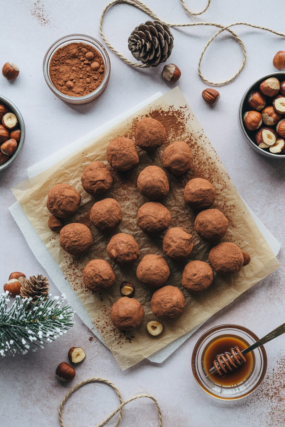
I got you! I saved the best for last.
Dark chocolate (70% cacao or higher) is rich in flavanols, particularly epicatechin, which have been shown to reduce inflammation and support endothelial function (basically, the health of your blood vessel walls). The higher the cacao percentage, the more flavanols (there are those phytochemicals again!) and the less added sugar. A square or two is genuinely a health-supportive choice. I will not be taking questions.
Green tea contains EGCG (epigallocatechin gallate), one of the most powerful antioxidant compounds found in any food or beverage. It inhibits the production of inflammatory cytokines and has been associated with lower risk of several chronic diseases. Matcha delivers an even more concentrated dose since you’re consuming the whole leaf.
A Brief Word on Inflammatory Foods
I want to focus on all the foods you should be eating, not the foods you shouldn’t, but I did want to take a second to talk about the foods that INCREASE inflammation. I’ll keep it short. If you’re actively trying to reduce inflammation, the foods most consistently linked to promoting it are: ultra-processed foods; refined seed oils high in
You don’t have to be perfect. The goal is never perfection. But if you’re eating a lot of anti-inflammatory foods on this list and also eating a lot from that one, they can work against each other. Worth knowing.
So, Where Do You Start?
Here’s the thing about anti-inflammatory eating: you don’t need a complete diet overhaul to see a difference. Start by adding a few here and there until you have a few anti-inflammatory foods in all your meals. Throw some berries into your breakfast. Swap your cooking oil for extra virgin olive oil. Add a handful of walnuts to your afternoon snack. Work turmeric and black pepper into your dinner rotation.
Small, consistent changes compound over time. That’s true in a lot of areas of life, but it’s especially true in nutrition.
And if you want a more personalized roadmap, one that accounts for your specific symptoms, health history, and how you actually live your life, that’s exactly what we do together in my one-on-one nutrition sessions. Let me know if you need help! Because a list is a great place to start. But knowing how to make it work for your body? That’s where the real magic happens.