A complete 7-day GLP-1 meal plan designed to support weight loss while protecting muscle and healthy digestion.
If you’re taking a GLP 1 medication, you already know how powerful it can be. For many people, it finally quiets the constant food noise, reduces cravings, and makes weight loss feel more manageable and less emotionally exhausting. That alone can feel life-changing.
But as effective as GLP 1 medications are, they also come with a very real nutrition challenge.
When your appetite drops and portions get smaller, it becomes harder to meet your body’s nutritional needs. And while eating less can absolutely support weight loss, it does not mean your body suddenly needs less protein, fewer vitamins, or less fiber.
That’s where a thoughtful plan matters.
This guide is designed to help you lose weight in a way that protects your muscle, supports digestion, and helps you feel strong, energized, and nourished, not depleted. I’ll walk you through why protein and fiber are especially important on GLP 1 medications, address common concerns like constipation and hair loss, and then share a complete 7 day meal plan that takes the stress out of figuring out what to eat.
Strategic Eating to Meet All Your Nutritional Needs
One of the biggest misconceptions I see with GLP 1 medications is the idea that “since I’m eating less, my body needs less.”
In reality, the opposite is often true.
When calorie intake drops, your body becomes more vulnerable to nutrient deficiencies. Protein, fiber, iron, zinc, B vitamins, and other key nutrients become harder to get in adequate amounts simply because there’s less food coming in overall.
That’s why food quality matters more than ever on GLP 1 therapy. Every bite needs to work a little harder for you.
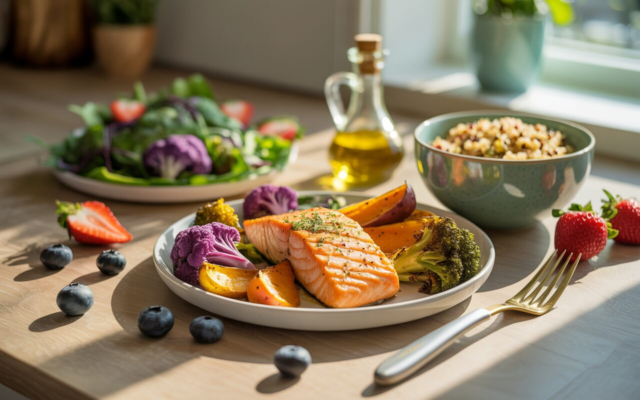
Why Protein Is Non-Negotiable on GLP 1 Medications
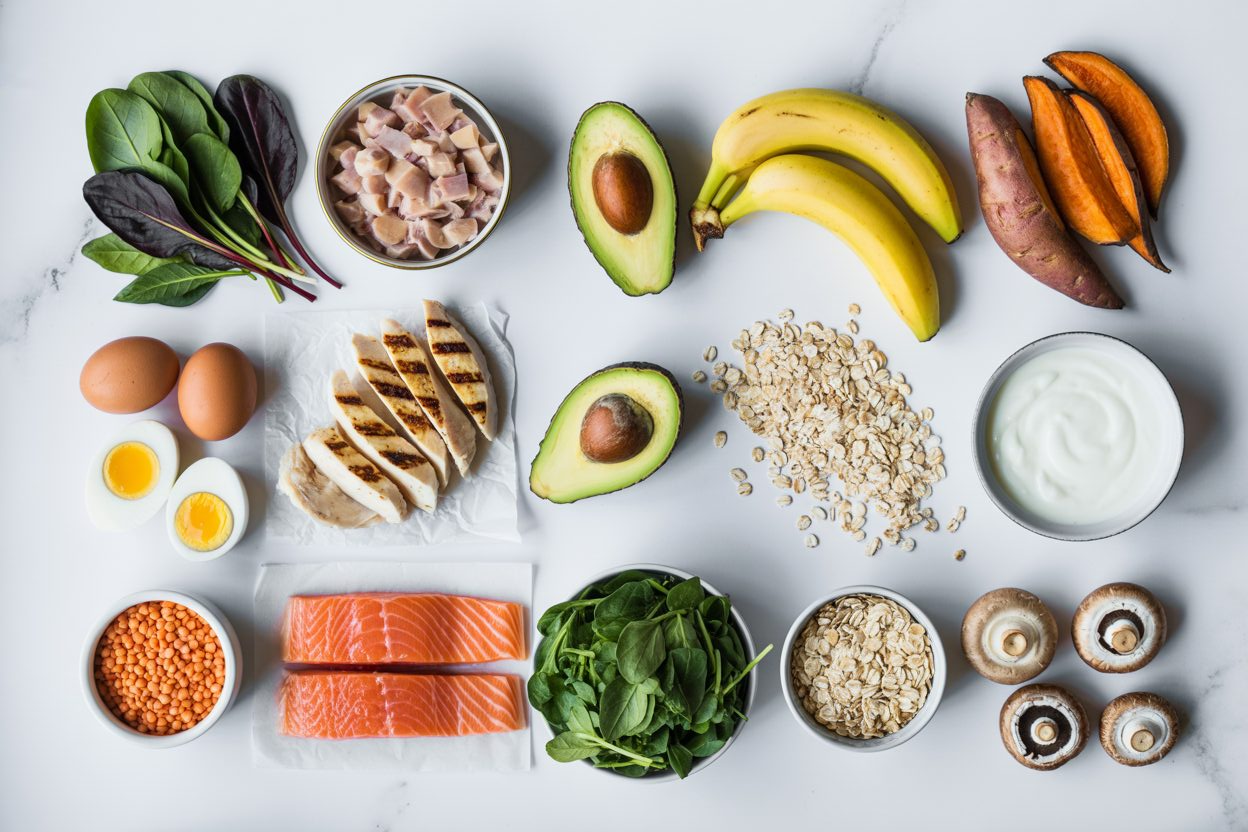
Protein is the most important nutrient to prioritize while losing weight, especially when appetite is suppressed.
When weight loss happens, your body does not automatically choose to burn only fat. Without enough protein, it will also break down muscle tissue. This is called lean mass loss, and it’s something we want to actively prevent.
Muscle plays a huge role in your metabolism. It helps regulate blood sugar, supports strength and balance, protects joints, and burns calories even when you’re resting. Losing muscle can slow your metabolism over time and make it harder to maintain weight loss long term.
Beyond metabolism, muscle loss can impact how you feel day to day. Lower strength, more fatigue, reduced mobility, and even increased injury risk can all show up when muscle mass drops too quickly.
Research suggests that people taking GLP 1 medications should aim for roughly 0.7 to 1 gram of protein per pound of ideal body weight, or about 1.2 to 1.5 grams per kilogram. For someone with an ideal body weight of 150 pounds, that comes out to approximately 105 to 150 grams of protein per day.
That number can feel overwhelming at first, especially if you’re barely hungry. The goal is not to force large portions, but to spread protein evenly throughout the day and choose protein-dense foods that deliver more nutrition in smaller amounts.
Protein Also Helps With Fullness and Blood Sugar
Another benefit of prioritizing protein is that it works synergistically with GLP 1 medications.
Protein helps stabilize blood sugar, supports satiety, and reduces the likelihood of energy crashes. It also helps slow digestion in a controlled way, which can actually improve tolerance to GLP 1 medications for some people.
In short, protein is doing a lot of heavy lifting behind the scenes.
(Check out my post about getting 120g of protein and 30+ g of fiber a day)
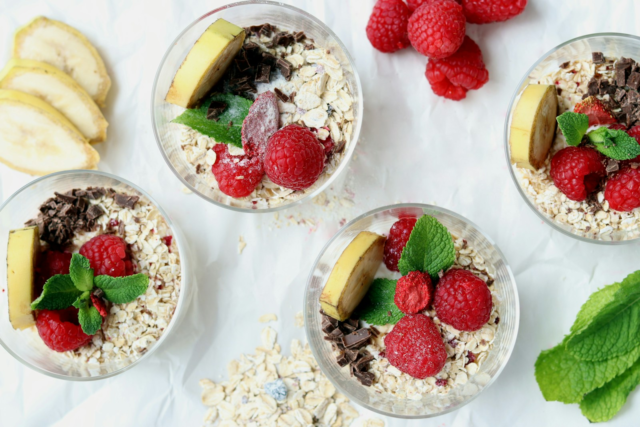
The Fiber Factor, Supporting Digestion on GLP 1
Let’s talk about digestion, because this is where many people struggle.
Constipation is one of the most common side effects of GLP 1 medications. There are a few reasons for this. First, eating less food means less bulk moving through the digestive tract. Second, GLP 1 medications slow gastric emptying, which can contribute to sluggish digestion.
Fiber becomes essential here.
Fiber helps add bulk to stool, feeds beneficial gut bacteria, and supports regular bowel movements. Most adults should aim for 25 to 35 grams of fiber per day, but that number can feel hard to reach when portions are smaller.
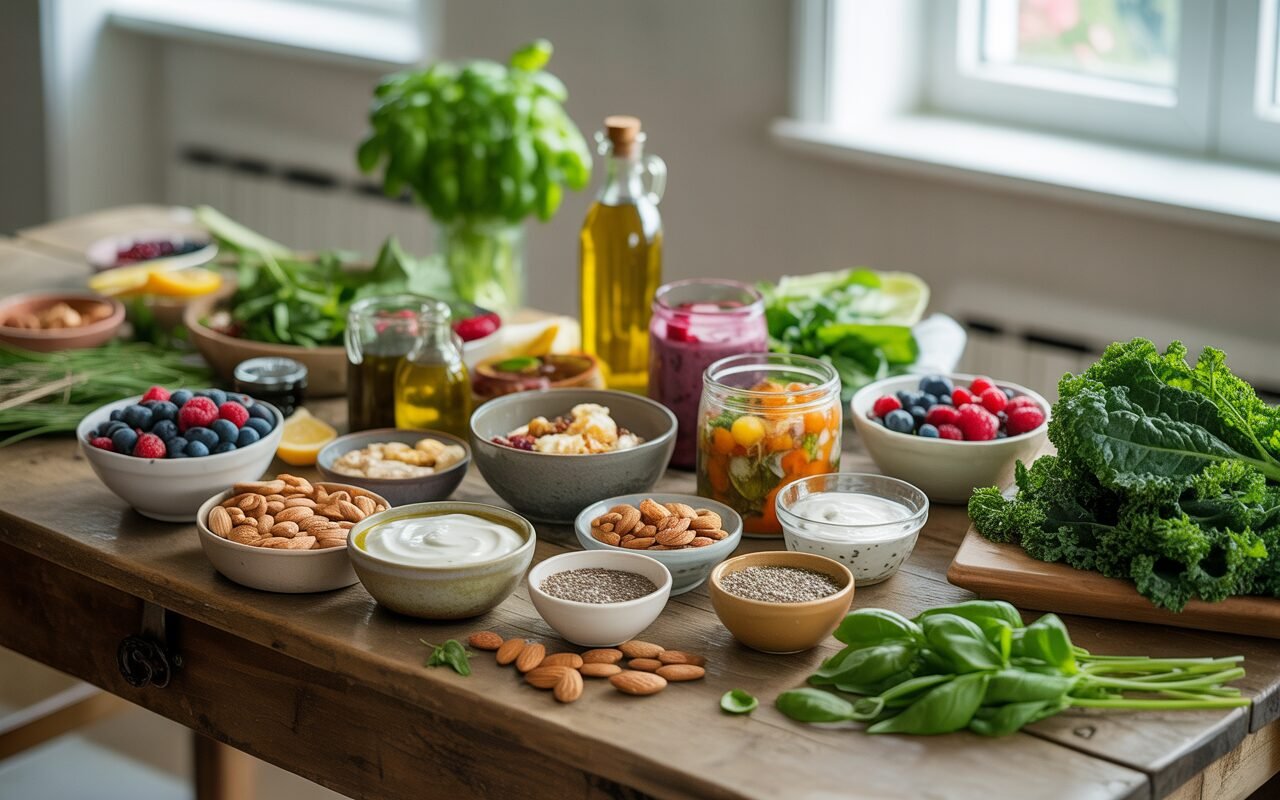
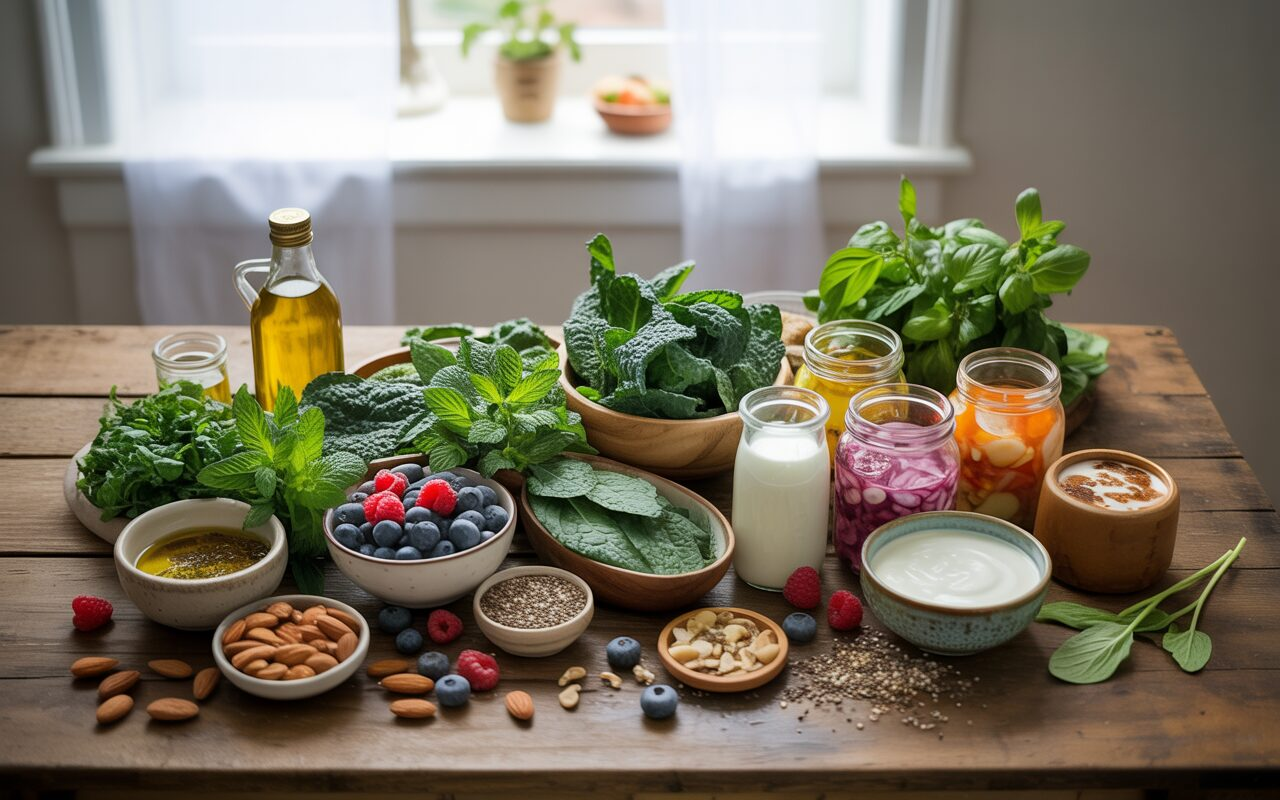
The key is choosing fiber-rich foods that also provide other nutrients. Vegetables, beans, lentils, berries, whole grains, seeds, and nuts all play a role.
It’s also important to include both types of fiber. Soluble fiber dissolves in water and helps with fullness and blood sugar control. Insoluble fiber adds bulk and helps move waste through the digestive tract.
One important reminder: fiber needs water to do its job. Increasing fiber without increasing fluids can actually make constipation worse. Hydration is not optional on GLP 1 therapy.

A Quick Word About Hair Loss
Hair loss is another concern I hear about frequently, and understandably so.
If you’ve noticed increased shedding since starting a GLP 1 medication, it can feel scary. The good news is that this is usually not a direct side effect of the medication itself.
What’s more likely happening is a response to rapid weight loss combined with inadequate intake of protein, calories, or key nutrients. When the body experiences a period of stress, such as significant caloric restriction, it may temporarily shift hair follicles into a resting phase. This leads to shedding a few months later, a process known as telogen effluvium.
This type of hair loss is typically temporary.
Prioritizing protein, avoiding extreme calorie restriction, and ensuring adequate intake of iron, zinc, biotin, and other micronutrients can help reduce the severity and support regrowth over time. Slow, steady weight loss tends to be much gentler on the body, including hair follicles.
This meal plan is intentionally designed to support those needs.
Your 7 Day GLP 1 Meal Plan
This 7 day plan provides approximately 1,200 to 1,400 calories per day, with at least 80 to 100 grams of protein and 25 to 30 grams of fiber. Meals are small in volume but nutrient-dense, which works well when appetite is reduced but nutritional needs remain high.
Each day includes protein at every meal and snack, fiber spread throughout the day, and a mix of animal and plant-based foods to support micronutrient intake.
You can follow this plan as written or mix and match meals based on preference. The structure matters more than perfection.
Day 1
Breakfast: Greek yogurt parfait with ½ cup nonfat Greek yogurt, ¼ cup high-fiber cereal, 2 tablespoons ground flaxseed, and ½ cup mixed berries
Protein: 20g | Fiber: 9g
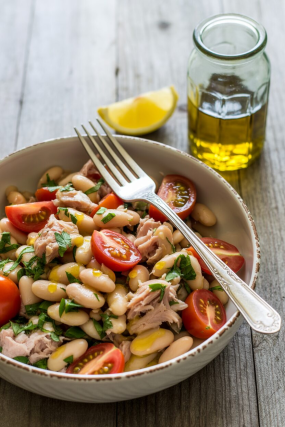
Lunch: Chicken and white bean salad with 3 oz grilled chicken breast, ½ cup white beans, mixed greens, cherry tomatoes, cucumber, and lemon vinaigrette
Protein: 35g | Fiber: 8g
Snack: Hard-boiled egg with baby carrots and hummus (2 tablespoons)
Protein: 9g | Fiber: 3g
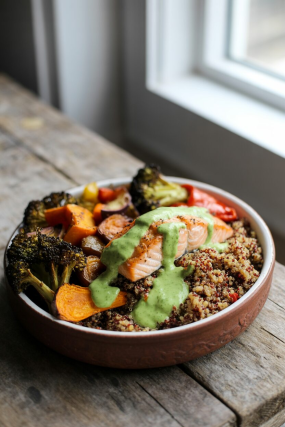
Dinner: Baked salmon (4 oz) with roasted Brussels sprouts and ½ cup quinoa
Protein: 32g | Fiber: 8g
Daily Total: Protein: 96g | Fiber: 28g
Day 2
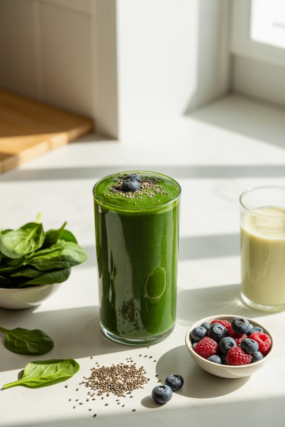
Breakfast: Protein smoothie with 1 scoop vanilla protein powder, 1 cup unsweetened almond milk, ½ banana, 1 cup spinach, and 1 tablespoon chia seeds
Protein: 26g | Fiber: 7g
Lunch: Turkey and avocado lettuce wraps with 4 oz sliced turkey breast, ¼ avocado, tomatoes, and mustard in large lettuce leaves, plus an apple
Protein: 32g | Fiber: 8g
Snack: String cheese with 15 almonds
Protein: 10g | Fiber: 2g
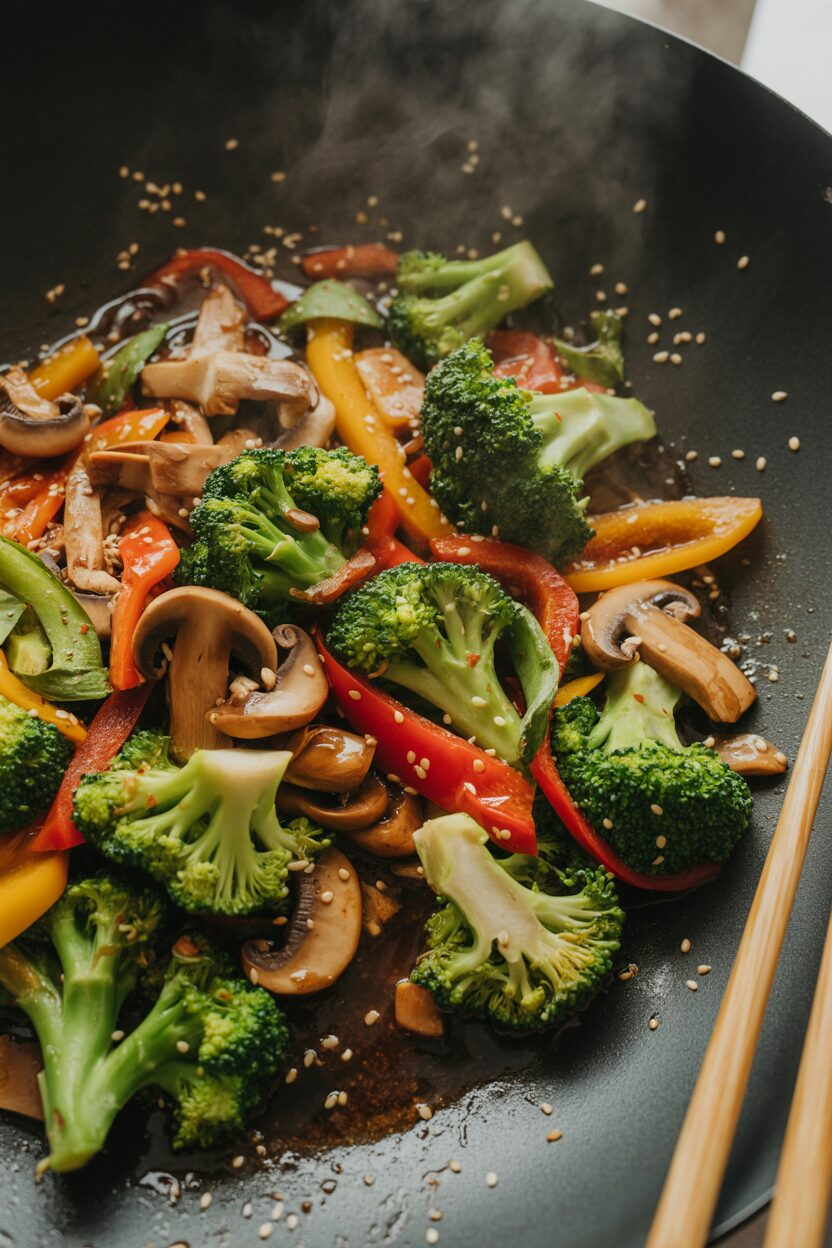
Dinner: Lean beef stir-fry with 3 oz sirloin, broccoli, snap peas, bell peppers, and ½ cup brown rice
Protein: 30g | Fiber: 9g
Daily Total: Protein: 98g | Fiber: 26g
Day 3
Breakfast: Scrambled eggs (2 eggs) with sautéed spinach, mushrooms, and a slice of whole grain toast with 1 tablespoon almond butter
Protein: 20g | Fiber: 6g
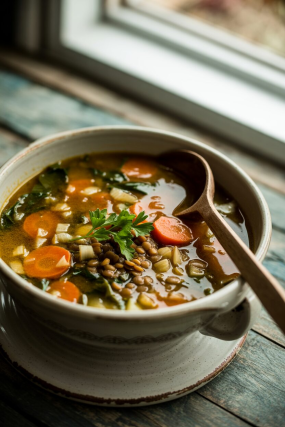
Lunch: Lentil soup (1.5 cups) with a side of mixed green salad and 2 oz grilled chicken
Protein: 28g | Fiber: 12g
Snack: Cottage cheese (½ cup) with sliced strawberries
Protein: 14g | Fiber: 2g
Dinner: Baked cod (5 oz) with roasted cauliflower and ½ sweet potato
Protein: 30g | Fiber: 7g
Daily Total: Protein: 92g | Fiber: 27g
Day 4
Breakfast: High-protein overnight oats with ½ cup oats, 1 scoop protein powder, 1 tablespoon chia seeds, ½ cup unsweetened almond milk, and cinnamon and some honey to sweeten. (don’t be afraid to double or triple this recipe, to a few servings to have throughout the week. these container make it easy)
Protein: 28g | Fiber: 8g
Lunch: Tuna salad (4 oz tuna) over mixed greens with chickpeas (¼ cup), cucumber, and balsamic vinegar
Protein: 35g | Fiber: 6g
Snack: Edamame (½ cup) lightly salted
Protein: 9g | Fiber: 4g
Dinner: Grilled chicken thigh (4 oz) with roasted asparagus and ½ cup farro
Protein: 32g | Fiber: 8g
Daily Total: Protein: 104g | Fiber: 26g
Day 5
Breakfast: Egg white omelet (4 egg whites) with vegetables and 1 oz reduced-fat cheese, plus a small orange
Protein: 22g | Fiber: 4g
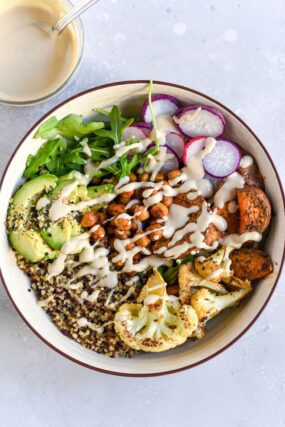
Lunch: Quinoa bowl with ½ cup quinoa, 3 oz grilled shrimp, black beans (¼ cup), corn, tomatoes, and lime
Protein: 30g | Fiber: 9g
Snack: Protein bar (look for at least 15g protein and 5g fiber)
Protein: 15g | Fiber: 5g
Dinner: Turkey meatballs (4 oz) with marinara sauce, zucchini noodles, and a side salad
Protein: 32g | Fiber: 7g
Daily Total: Protein: 99g | Fiber: 25g
Day 6
Breakfast: Protein pancakes (made with protein powder, egg, and banana) topped with 2 tablespoons Greek yogurt and berries
Protein: 25g | Fiber: 5g
Lunch: Chicken Caesar salad with 4 oz grilled chicken, romaine lettuce, 2 tablespoons light Caesar dressing, and whole grain croutons
Protein: 34g | Fiber: 4g
Snack: Apple slices with 2 tablespoons peanut butter
Protein: 8g | Fiber: 5g
Dinner: Baked tofu (5 oz) with roasted broccoli and ½ cup wild rice
Protein: 28g | Fiber: 9g
Daily Total: Protein: 95g | Fiber: 23g
Day 7
Breakfast: Cottage cheese bowl with ¾ cup cottage cheese, ½ cup pineapple, and 2 tablespoons sunflower seeds
Protein: 24g | Fiber: 3g
Lunch: Mediterranean chickpea salad with chickpeas (½ cup), 2 oz feta cheese, olives, cucumber, tomatoes, and lemon-herb dressing
Protein: 18g | Fiber: 8g
Snack: Turkey roll-ups (3 oz turkey wrapped around cucumber and bell pepper strips)
Protein: 21g | Fiber: 2g
Dinner: Grilled pork tenderloin (4 oz) with green beans and ½ cup barley
Protein: 35g | Fiber: 10g
Daily Total: Protein: 98g | Fiber: 23g

Making This Meal Plan Work for You
I want to be very clear about something. This plan is a template, not a rigid prescription.
Your calorie needs, protein needs, and tolerance will vary based on your body, activity level, medical history, and medication dose. Some days you may eat less than planned. Other days you may eat a bit more. That flexibility is not failure, it’s listening to your body.
The most important anchors are protein and fiber.
If nothing else feels doable on a given day, focus on getting protein in first. Even small portions count.
Practical Tips for Long-Term Success
Start with protein. When you sit down to eat, take a few bites of your protein source before anything else. This helps ensure your body gets what it needs most, even if fullness hits quickly.
Hydrate consistently. Aim for at least 2L of water per day, and more if you’re active or in a warm climate. Hydration supports digestion, medication tolerance, and overall energy. Having a water bottle handy makes it easy to stay hydrated.
Use smaller, more frequent meals if needed. Many people tolerate GLP 1 medications better with smaller meals spaced throughout the day rather than large portions.
Honor fullness cues. These medications enhance satiety for a reason. When you feel full, stop eating. You can always return to food later.
Having a hard time getting our protein? protein supplements if needed. A high-quality protein powder or even clear protein added to water can be incredibly helpful when appetite is low. Smoothies, oatmeal, yogurt, or even coffee are easy ways to add protein without much volume.

The Bottom Line
GLP 1 medications can be an incredible tool for weight loss, but they work best when paired with intentional nutrition.
By prioritizing protein to preserve muscle and fiber to support digestion, you’re protecting your metabolism, your gut health, and your long-term results. Weight loss that leaves you weaker, constipated, exhausted, or losing hair is not the goal.
This 7-day meal plan gives you a strong foundation to build from. Pay attention to how your body responds, adjust as needed, and don’t hesitate to work with a registered dietitian for personalized support.
You’re not just losing weight. You’re caring for your body through the process.
One nourishing, protein-rich meal at a time.
If you want help dialing in your protein needs, managing side effects like constipation or fatigue, and protecting your muscle while losing weight, I’d love to support you. I offer individualized nutrition counseling designed specifically for people on GLP 1 medications.
👉 Get personalized GLP 1 nutrition guidance

Frequently Asked Questions About GLP 1 Meal Plans
How much protein should I eat on GLP 1 medications?
Most people on GLP 1 medications should aim for about 0.7 to 1 gram of protein per pound of ideal body weight, or roughly 1.2 to 1.5 grams per kilogram. Protein helps protect muscle during weight loss, supports metabolism, and can improve energy levels. Because appetite is lower on GLP 1s, spreading protein evenly throughout the day is usually more effective than trying to eat large portions at once.
Can you lose muscle while taking GLP 1 medications?
Yes, muscle loss can happen if protein intake is too low or weight loss is very rapid. GLP 1 medications reduce appetite, which can make it easier to under eat protein without realizing it. Prioritizing protein at every meal and snack, along with resistance or strength training, helps preserve lean muscle mass during weight loss.
Why do GLP 1 medications cause constipation?
Constipation is a common side effect because GLP 1 medications slow gastric emptying and reduce overall food intake. Less food means less bulk moving through the digestive tract. Increasing fiber gradually, drinking enough water, and including both soluble and insoluble fiber can help support regular digestion while on GLP 1 therapy.
How much fiber should I eat on GLP 1 medications?
Most adults benefit from 25 to 35 grams of fiber per day. On GLP 1 medications, fiber becomes especially important to support digestion and prevent constipation. The key is to increase fiber slowly and pair it with adequate hydration to avoid worsening digestive symptoms.
Is hair loss a side effect of GLP 1 medications?
Hair loss is not usually a direct side effect of GLP 1 medications. It is more commonly related to rapid weight loss or inadequate intake of protein and key nutrients. This type of hair shedding, called telogen effluvium, is typically temporary. Eating enough protein, avoiding extreme calorie restriction, and ensuring adequate micronutrient intake can help reduce the risk.
How many calories should I eat while on a GLP 1 medication?
Calorie needs vary based on body size, activity level, and individual response to the medication. Many people naturally fall into the 1,200 to 1,500 calorie range due to appetite suppression, but the focus should be on nutrient density rather than hitting a specific calorie number. Prioritizing protein, fiber, and hydration is more important than strict calorie counting.
Should I eat smaller meals on GLP 1 medications?
For many people, smaller and more frequent meals are better tolerated than large meals. GLP 1 medications increase feelings of fullness, so eating smaller portions can help reduce nausea and discomfort while still meeting nutritional needs.
Do I need supplements while taking GLP 1 medications?
Some people may benefit from supplements such as protein powder, fiber supplements, or specific micronutrients, especially if appetite is very low. Supplements should support, not replace, a balanced diet. Working with a registered dietitian can help determine what, if anything, is appropriate for your individual needs.
This post contains affiliate links, which means I may earn a small commission if you make a purchase through these links—at no extra cost to you. Thank you for supporting my work!.