To get 30-40grams of Fiber per Day!
Fiber is the unsung hero of a healthy diet. It keeps your digestion running smoothly, supports heart health, balances blood sugar, and even helps with weight management. Yet, most people aren’t getting enough. The recommended daily intake is around 30-40 grams, but the average person falls short at just 15 grams per day (Yikes!)
A high-fiber diet is also packed with essential vitamins and minerals, making it a key part of an anti-inflammatory lifestyle. Many fiber-rich foods are also nutrient-dense, providing important compounds that support overall health and help reduce inflammation.
So, how do you up your fiber game? By eating more whole, fiber-rich foods! Here I’ll break down 44 high-fiber foods to help you reach your daily goal easily!
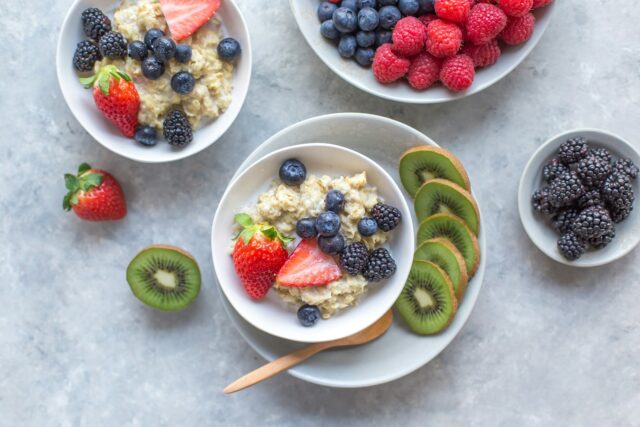
Why Fiber Matters
Fiber comes in two forms:
- Soluble fiber dissolves in water, helping to lower cholesterol and stabilize blood sugar.
- Insoluble fiber adds bulk to stool, promoting regular bowel movements and preventing constipation.
Fiber is a type of carbohydrate that your body can’t digest, but that doesn’t mean it’s not important. A high-fiber diet supports gut health, helps keep you full longer, and has even been linked to lower risks of heart disease, type 2 diabetes, and certain cancers. Many fiber-rich foods are also rich in vitamins C, K, B vitamins, magnesium, potassium, and antioxidants, making them powerful for reducing inflammation and supporting long-term health.
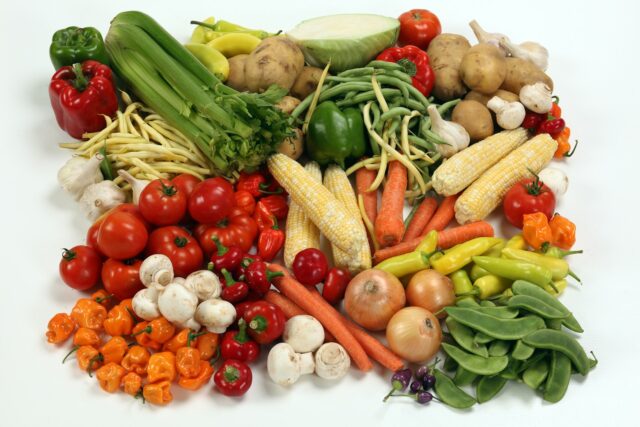
44 High-Fiber Foods to Add to Your Diet
Vegetables (Rich in vitamins A, C, and K, plus magnesium and potassium)
Artichokes – 6.9g per medium artichoke. One of the highest-fiber vegetables you can eat, and honestly, so underrated. Artichokes are also a fantastic prebiotic, meaning they literally feed your good gut bacteria (your microbiome will send you a thank-you note). Steam them, roast them, or grab canned artichoke hearts for a quick addition to pasta, grain bowls, or salads.
Peas – 9g per cup. Don’t sleep on peas! They’re one of the sneakiest high-fiber vegetables because they don’t feel like a health food, they feel like comfort food. Toss them into soups, stir-fries, or pasta dishes, or blend them into a pea pesto that’ll blow your mind.
Broccoli – 5g per cup Classic for a reason. Broccoli is a fiber powerhouse and loaded with vitamin C, folate, and cancer-fighting compounds called glucosinolates. Roasted with olive oil and a little garlic? Honestly, one of my favorite things on the planet.
Brussels Sprouts – 4g per cup I know, I know, bear with me. Roasted Brussels sprouts are a completely different food than the soggy ones you might remember from childhood. Cut off the ends, halve them, toss with olive oil and a little salt and pepper, and roast at 400° until the edges are crispy, and voila! So yummy! And they are part of the cruciferous family, so they are great for metabolic health and detoxification.
Sweet Potato – 4g per medium potato A fiber-rich carb that also delivers a serious dose of beta-carotene (hello, vitamin A!). The skin has extra fiber, so leave it on when you can. Bake them, mash them, cube them into grain bowls, they’re endlessly versatile and naturally sweet enough to satisfy a dessert craving.
Carrots – 3.6g per cup One of those snack foods you can eat in basically unlimited quantities and feel great about. Raw with hummus, roasted with honey and thyme, or blended into a soup, carrots are a fiber-plus-antioxidant win every time.
Kale – 2.6g per cup Kale has had its moment in the spotlight, and honestly it deserves it. Massaging raw kale with a little olive oil and lemon makes it tender and delicious for salads. Or roast into crispy kale chips for a snack that genuinely surprises people. (another Curciferous veggie!)
Spinach – 4g per cup (cooked) Raw spinach is mild enough to blend into smoothies without tasting it (I promise, try it!), and cooked spinach wilts way down so you can sneak a huge amount into pasta, eggs, or soups without even noticing.
Cauliflower – 2g per cup. Cauliflower is the ultimate chameleon vegetable. Riced, mashed, roasted as “steaks,” blended into creamy soups, it’s mild enough to take on whatever flavors you give it. Not the highest-fiber veggie on this list, but it earns its spot for versatility. (and another curcifereous vegetable!)
Acorn Squash – 9g per cup Okay, this one might surprise you — acorn squash is a serious fiber source. Roast it halved with a little butter and maple syrup in the cavity and you have a side dish that tastes like dessert. It’s also loaded with vitamin C and potassium.
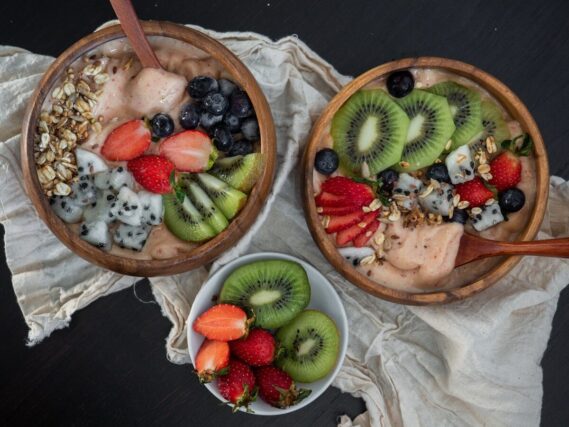
Fruits (Packed with vitamin C, antioxidants, and fiber)
Raspberries – 8g per cup. Berry for berry, raspberries win the fiber contest. They’re also bursting with antioxidants and vitamin C. Toss them on oatmeal, blend into smoothies, or eat a whole bowl with a dollop of coconut cream. No wrong answers. And I’m a fan of frozen berries because they are cost-effective and won’t “go bad”!
Blackberries – 7.6g per cup. Blackberries are fiber AND brain food. They’re rich in anthocyanins (what gives them the deep purple/black color!), which research links to better memory and cognitive function. Great in yogurt parfaits, overnight oats, or just by the handful as a snack.
Pears – 5.5g per medium pear. One of the best on-the-go fiber snacks because they’re self-contained and delicious at room temperature. Eat them with the skin on for maximum fiber! They’re also a great source of vitamin K and copper.
Apples – 4.4g per medium apple. The fiber in apples (especially in the skin) feeds beneficial gut bacteria and helps lower LDL cholesterol. Go for whole apples over juice every time, since juicing strips out most of the fiber.
Avocado – 10g per cup. Yes, avocado is a fruit! And it’s one of the best fiber sources in the entire produce section. It’s also loaded with heart-healthy monounsaturated fats that help you absorb fat-soluble vitamins from everything else on your plate. On toast, in smoothies, or straight from the skin with a little salt… it’s perfect.
Bananas – 3.1g per medium banana. Bananas are one of the most convenient fiber snacks out there, no prep, no mess, just peel and go. If you choose a slightly underripe banana, you’ll get an extra bonus: resistant starch, which acts like fiber in your digestive system and feeds your good gut bacteria.
Oranges – 3.1g per medium orange. Most people think of oranges as a vitamin C food (which, yes, absolutely), but the fiber is real too, especially when you eat the whole fruit instead of drinking the juice. The white pithy part you usually peel off? That’s actually where a good chunk of the fiber lives.
Figs – 5.6g per cup. Figs are one of those foods that feel indulgent but are actually incredibly nutritious. They’re naturally sweet, high in fiber, and a great source of calcium. Fresh figs are magical when they’re in season; dried figs are a convenient year-round option (just watch the portion since dried fruit is calorie-dense).
Strawberries – 3g per cup. Strawberries are the most approachable berry for picky eaters and kids, and they still deliver a solid fiber hit. They’re also among the highest in vitamin C and are loaded with antioxidants. Slice them onto oatmeal, blend into smoothies, or just eat them by the handful.
Pomegranate Seeds – 7g per cup Pomegranate seeds (arils) are tiny little fiber and antioxidant bombs. Sprinkle them on oatmeal, salads, or yogurt for a pop of color and crunch. They’re also a natural anti-inflammatory food, which is always a bonus.
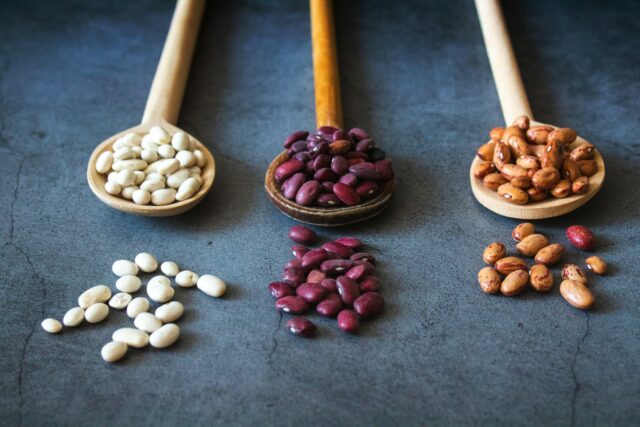
Legumes (High in plant-based protein, iron, and folate)
Lentils – 15.6g per cup (cooked) Lentils are basically a nutrition miracle. Fiber AND protein AND iron AND folate, all in one humble little legume. They cook faster than any other dried bean (no soaking required!), which makes them a weeknight dinner hero. lentil soup, lentil tacos, lentil salad… you name it.
Split Peas – 16.3g per cup (cooked) The highest-fiber legume on this list! Split pea soup is one of those cozy, stick-to-your-ribs meals that also happens to be incredibly cheap to make. They cook down soft and creamy without any blending required. Green Pea Fun fact: a split pea is basically just a mature, dried green pea, which means green peas deserve a shoutout too at 7g of fiber per cup. Two forms of the same food, both pulling serious fiber weight.
Black Beans – 15g per cup (cooked) Versatile, affordable, satisfying, and fiber-packed. Tacos, burrito bowls, black bean soup, blended into a brownie batter (yes, really, it works)… they do it all.
Chickpeas – 12.5g per cup (cooked). Also called garbanzo beans, chickpeas are the base of hummus, the star of chana masala, and an incredible roasted snack when tossed with olive oil and spices. They’re also surprisingly high in protein, making them a great plant-based combo of both macros.
Kidney Beans – 13.6g per cup (cooked) Classic in chili, kidney beans are earthy, hearty, and one of the most fiber-rich beans you can find at any grocery store. They’re also a great source of iron and folate, important nutrients especially for women.
Edamame – 8g per cup. Edamame is honestly one of the best snacks in existence. You get fiber AND 17 grams of protein per cup, making it a double win for satiety. Keep a bag in the freezer and just steam or microwave whenever you need something quick and satisfying.
Navy Beans – 19g per cup (cooked) Navy beans are the quiet overachiever of the bean world. Most people overlook them, but they have more fiber per serving than almost anything else on this list. Use them in soups, blend them into creamy dips, or add them to salads for a filling protein and fiber boost.
Pinto Beans – 15.4g per cup (cooked) The classic refried bean! Pinto beans are earthy and creamy, and they shine in Mexican-inspired dishes. Mash them with a little garlic and cumin, layer into tacos, or add whole to grain bowls.
Whole Grains (Good sources of B vitamins, magnesium, and iron)
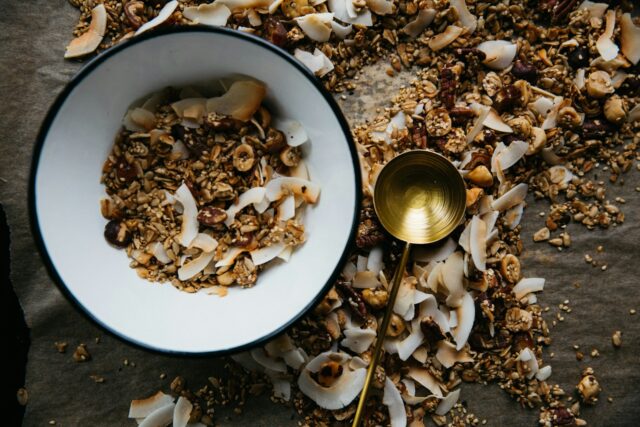
Oats – 4g per cup (cooked) Oats contain a special type of fiber called beta-glucan, which is particularly powerful for lowering LDL cholesterol and stabilizing blood sugar. Overnight oats, baked oatmeal, savory oats (trust me on this one)… oats are a breakfast game-changer.
Quinoa – 5.2g per cup (cooked) Quinoa is a complete protein AND a decent fiber source, which makes it one of the most nutritionally complete plant foods out there. Use it as a base for grain bowls, toss it into salads, or eat it warm with a little almond milk and fruit as an oatmeal alternative.
Barley – 6g per cup (cooked) Barley is one of the most underused grains in the American kitchen and I think we need to fix that. It’s chewy, nutty, and incredibly filling. Add it to soups, use it in place of rice, or try it in a warm grain salad. Like oats, barley contains beta-glucan fiber, great for heart health.
Brown Rice – 3.5g per cup (cooked) Brown rice is the whole-grain version of white rice with all the bran and germ still intact, and that’s where the fiber lives. It takes a bit longer to cook, but the nutty flavor and chewier texture are worth it. A simple swap from white to brown rice makes a meaningful difference in your daily fiber intake.
Whole Wheat Pasta – 6.3g per cup (cooked) Whole wheat pasta is one of the easiest high-fiber swaps you can make because it fits right into meals you’re already making. The texture is heartier and slightly nuttier than regular pasta, and honestly once you get used to it, going back feels weird. Your favorite pasta dish just got a fiber upgrade.
Bulgur – 8.2g per cup (cooked) Bulgur might be the most underrated grain on this entire list. It’s made from cracked whole wheat, cooks in about 15 minutes, and has more fiber per cup than almost anything else in this category. It’s the base of tabbouleh, but it works just as well in grain bowls, soups, or as a side dish in place of rice.
Farro – 5g per cup (cooked) Farro is an ancient grain with a satisfying chewy texture and a rich, nutty flavor that makes grain bowls feel genuinely exciting. It holds up well in salads (even after dressing, even the next day), which makes it a great meal prep grain. Plus it delivers a solid hit of protein alongside that fiber.
Popcorn – 3.6g per 3 cups (air-popped) YES, popcorn counts! It’s a whole grain, and air-popped popcorn is genuinely a great high-fiber snack. The key is keeping it simple: olive oil, salt, maybe a little nutritional yeast. It’s the volume eating champion of the snack world.
Nuts & Seeds (Rich in omega -3s, vitamin E, and magnesium)
Chia Seeds – 10g per ounce. One ounce. Ten grams of fiber.
Flaxseeds – 7.6g per 2 tablespoons. Flaxseeds are a fiber AND
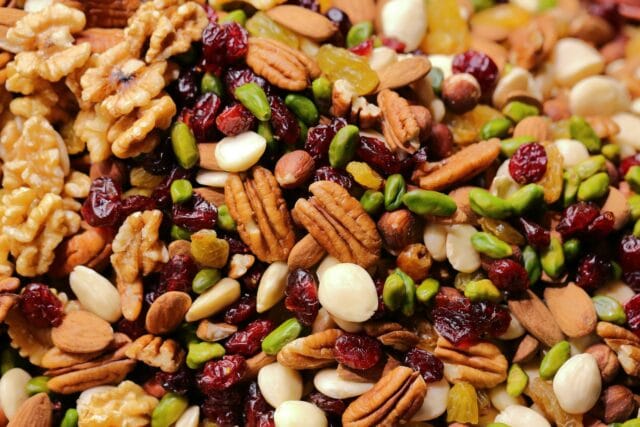
Almonds – 3.5g per ounce Fiber, protein, healthy fats, vitamin E, magnesium… all in a small handful. A great pre-workout snack or afternoon pick-me-up that won’t send your blood sugar on a rollercoaster.
Pistachios – 3g per ounce. Pistachios have the lowest calorie count of most nuts AND one of the highest fiber counts, making them a great snacking choice. The shells also slow you down naturally, which research actually shows leads to eating less overall. Nifty, right? I love adding these to my salads to add a little salt and crunch.
Sunflower Seeds – 3g per ounce. A great grab-and-go snack and a wonderful addition to salads and grain bowls for crunch. Sunflower seeds are also rich in vitamin E and magnesium, two nutrients a lot of us don’t get enough of.
Walnuts – 2g per ounce. Lower in fiber than others on this list, but walnuts bring something else to the party: they’re one of the best plant-based sources of
Pumpkin Seeds – 5.2g per ounce. Pumpkin seeds (also called pepitas) are a serious fiber source that most people completely overlook. They’re also one of the best food sources of magnesium, a mineral that plays a role in hundreds of bodily functions, including sleep, muscle recovery, and blood sugar regulation. Toast them with a little olive oil and salt, and they’re genuinely addictive.
Hemp Seeds – 1g per tablespoon Hemp seeds are the lowest fiber item on this list, but they earn their spot for a different reason: they’re one of the best plant-based complete protein sources out there, with all nine essential amino acids. Sprinkle them on literally anything: oatmeal, salads, smoothie bowls, avocado toast. They have a mild, slightly nutty flavor that goes with everything and adds a nice nutritional boost without changing the taste of your food.
How to Get More Fiber in Your Diet
If 30-40 grams of fiber sounds like a lot, don’t worry! Small swaps and additions can help you hit your target:
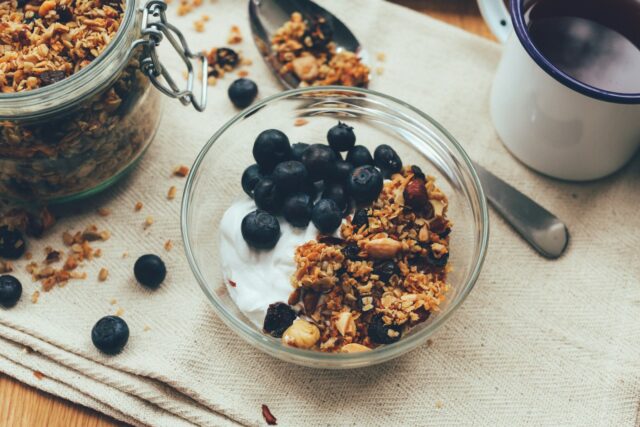
- Start your day with oatmeal or a smoothie packed with chia seeds.
- Add beans or lentils to soups, salads, and grain bowls.
- Snack on fruit, nuts, or air-popped popcorn.
- Swap white bread, pasta, and rice for whole grain versions.
Sample High-Fiber, Gut-Healthy & Weight-Loss-Friendly Meal Plan (30-40g per Day)
Day 1
- Breakfast: Chia pudding with raspberries, flaxseeds, and almond milk (12g fiber)
- Lunch: Lentil and kale salad with avocado, sunflower seeds, and carrots (14g fiber)
- Snack: Apple with almond butter (6g fiber)
- Dinner: Quinoa & black bean stuffed peppers (10g fiber)
Day 2
- Breakfast: Oatmeal with flaxseeds, walnuts, and blackberries (12g fiber)
- Lunch: Summer Cobb Salad (13g fiber)
- Snack: Popcorn with sunflower seeds (6g fiber)
- Dinner: Whole wheat pasta with chickpeas, garlic, and kale (10g fiber)
Day 3
- Breakfast: Smoothie with spinach, banana, chia seeds, and berries (12g fiber)
- Lunch: Quinoa power Bowl (18g fiber)
- Snack: Carrot sticks with hummus (5g fiber)
- Dinner: Lentil soup with barley and roasted Brussels sprouts (12g fiber)
Does eating too much fiber cause you to have some tummy issues? No worries, fiber is important, and we are designed to eat it (thanks to our GI bacteria friends), but if you are used to a low-fiber lifestyle, it just takes a little getting used to, and your GI bacteria has to get used to eating it too. so just Increase fiber intake gradually and drink plenty of water to make the process more comfortable. Also, check out my Gut Healing Guide, which is especially helpful if you are dealing with IBS!
By incorporating these fiber-rich, nutrient-dense foods into your meals, you’ll boost digestion, reduce inflammation, and support healthy weight loss. Try adding a few new high-fiber foods each week and watch how much better you feel!
Are you looking for high-quality chia seeds, flaxseeds, or whole-grain pasta? Check out my favorite fiber-rich pantry staples to stock up and support your gut health!
Frequently Asked Questions About High Fiber Foods
How much fiber do I need per day? The recommended daily intake of fiber is 30-40 grams per day, but most people are only getting around 15 grams. The good news? With a little intention and the right foods, hitting your daily goal is totally doable!
What are the highest fiber foods I can eat? Some of the biggest fiber powerhouses include navy beans (19g per cup), lentils (15.6g per cup), black beans (15g per cup), and pinto beans (15.4g per cup). For fruits, raspberries and avocado are standout options, and chia seeds top the list in the nuts and seeds category at 10g per ounce.
What is the difference between soluble and insoluble fiber? Soluble fiber dissolves in water and helps lower cholesterol and stabilize blood sugar, think oats, beans, and apples. Insoluble fiber adds bulk to your stool and keeps things moving (yes, we’re talking about regularity!). Most whole foods contain both types, which is why eating a variety of fiber-rich foods is the best approach.
Can eating too much fiber cause digestive issues? It can, especially if you ramp up your intake too quickly! If you’re used to a low-fiber diet, your gut bacteria need a little time to adjust. The key is to increase fiber gradually and drink plenty of water along the way. If you’re dealing with more significant digestive discomfort like bloating, cramping, or irregular bowel movements, it could be a sign of something deeper going on — my Gut Healing Guide is a great place to start!
What are easy ways to add more fiber to my diet? Start small! Swap white bread and pasta for whole grain versions, toss chia seeds or flaxseeds into your smoothie or oatmeal, add a handful of beans to soups and salads, and keep fruit and nuts on hand for snacking. Little swaps add up fast.
Are high fiber foods good for weight loss? Yes! Fiber slows digestion, which helps you feel full longer and reduces the likelihood of overeating. It also helps stabilize blood sugar, which means fewer energy crashes and cravings throughout the day. High fiber foods tend to be nutrient-dense and lower in calories, making them a natural fit for a healthy weight management approach. Read this article about Fiber and Weight Loss
Are high fiber foods anti-inflammatory? Many of them are! Fiber-rich foods like fruits, vegetables, legumes, and whole grains are also loaded with antioxidants, vitamins, and minerals that help reduce inflammation in the body. A high fiber diet is actually a cornerstone of anti-inflammatory eating, which is something I talk about a lot here on the blog.
Can I get enough fiber without eating beans or legumes? Absolutely. While beans and legumes are some of the most concentrated sources of fiber, you can still hit your daily goal by leaning into fruits, vegetables, whole grains, nuts, and seeds. Raspberries, avocado, chia seeds, oats, and broccoli are all fantastic options if legumes aren’t your thing.
This post contains affiliate links, which means I may earn a small commission if you make a purchase through these links, at no extra cost to you. Thank you for supporting my work!.