Skip to content
Years ago, not long after my second child was born, we all got a GI bug (thanks, daycare germs!) and it was awful. I mean… real bad. Few things are as terrible as taking care of a baby and toddler when you have a stomach bug. I remember standing at the kitchen sink holding my newborn while throwing up in the sink. It was rough. Everyone else got better after a couple of days, but I stayed sick for a few weeks. And then my gut was not right for years after that. It got to the point where being nauseated all the time and having to rush to the bathroom became my new norm. I went to the doctor only to be told that I probably had IBS… and maybe it was stress because I “was in a really stressful time in my life.” It was hard.
But I found an essential oil blend that calmed things down, and that’s when I realized a couple of things: there are so many natural things we can do to help ourselves that fall completely outside of conventional medicine, and having GI issues consistently just… sucks. It makes everything so much harder.
I had some pretty blatant GI symptoms, but there are also smaller signs we need to pay attention to. So today I want to walk you through eight of the most common signs that your gut is saying “help me!” plus exactly what you can do about each one. Because knowledge without action is just… trivia. And your gut deserves better than that.
First, What Does “Gut Reset” Actually Mean?
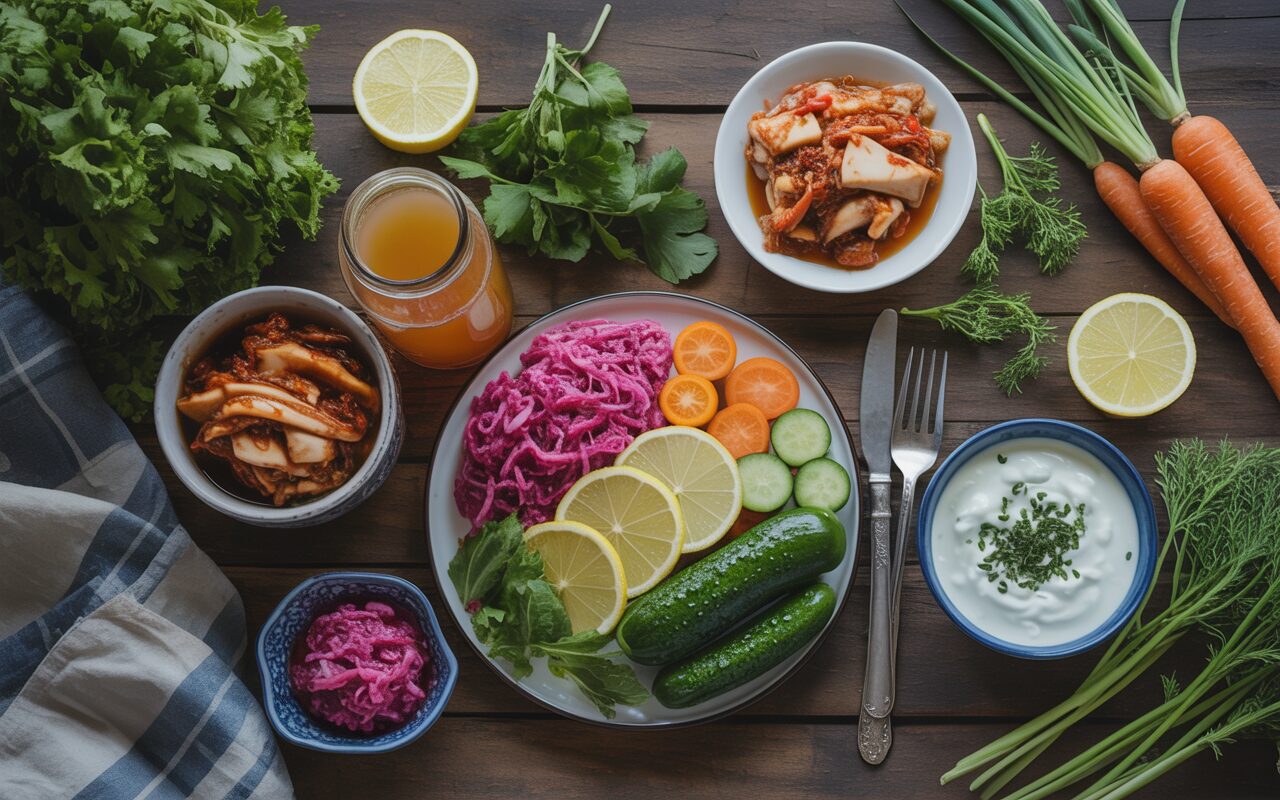
I want to be clear that a “gut reset” isn’t about a juice cleanse or a 10-day detox kit from Instagram. (Please, no.) What I mean is intentionally removing the things that are disrupting your gut microbiome and harming your gut lining, then adding back in the things that help you heal. It’s a recalibration. Think of it less like a dramatic overhaul and more like a tune-up.
Your gut is home to trillions of bacteria, and when that ecosystem gets knocked out of balance (by processed foods, stress, antibiotics, poor sleep, GI bugs, and about a thousand other things), the effects ripple across your entire body. The good news? The gut is remarkably resilient. Take out the bad stuff, give it the right support, and it heals.
Okay. Let’s get into the signs.
Sign #1: You’re Bloated Way More Often Than Feels Normal
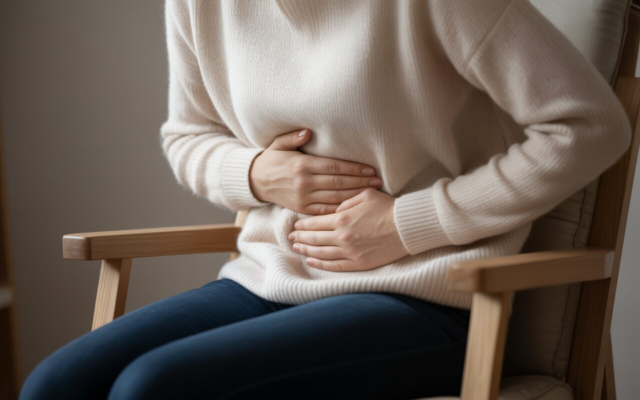
Occasional bloating after a big meal? Totally normal. But if you’re bloated most days, or bloating after meals that didn’t used to bother you, that’s your gut asking for help.
What to do: Start a simple food and symptom journal for one week. You don’t need an app, just a note in your phone. Jot down what you eat and how you feel 30 to 60 minutes later. Patterns usually show up fast. Keep in mind that bloating is typically a sign that your gut microbes are out of balance and certain foods can trigger extra gas production. Common culprits include gluten, dairy, high-FODMAP foods like onions and garlic, and carbonated drinks. Try eliminating some of these main culprits and then adding them back in slowly and strategically.
Sign #2: You’re Constipated or have Frequent Diarrhea
If your bowel movements are irregular, pay attention. Are you constipated? It is not normal to go every two or three days. You should be going every day. On the flip side, if you’re running to the bathroom urgently and often with loose stool, that’s also a problem. Both ends of the spectrum signal disruption.
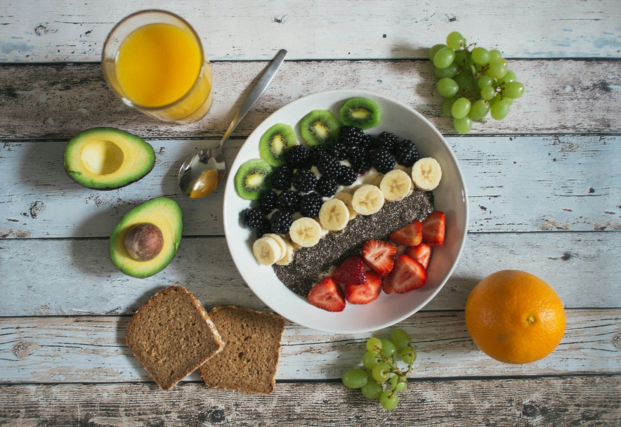
What to do: Fiber and hydration are your two best friends here, and most people are low on both. Aim for 25 to 35 grams of fiber per day from whole food sources (think: leafy greens, chia seeds, beans, berries, oats). And water. If you eat more fiber without increasing your water intake, you will get constipated. Consider adding a broad-spectrum probiotic or fermented food daily and give it two to three weeks before you evaluate.

Sign #3: You’re Exhausted Even When You Sleep Enough
This one surprises people every time. Your gut produces about 90% of your body’s serotonin. If your microbiome is imbalanced, your neurotransmitter production can take a hit, and that affects everything from your mood to your energy levels to how rested you feel when you wake up. On top of that, gut issues cause chronic inflammation, and when your body is constantly fighting a battle, it is exhausting.
What to do: Focus on prebiotic-rich foods that feed your good gut bacteria. Things like asparagus, bananas, oats, garlic, and onions. A diet rich in diverse plant foods is hands-down the best long-term investment you can make in your gut and your energy.
Sign #4: Your Skin Is Breaking Out or Reacting
The gut-skin axis (my favorite underrated connection in all of nutrition science) is very real. When your gut barrier is compromised, inflammatory compounds can enter the bloodstream and show up as acne, eczema, rosacea, or just general dullness and irritation.
What to do: Reduce ultra-processed foods, refined sugar, and alcohol, which are three of the biggest contributors to gut inflammation and leaky gut. Add in omega-3 rich foods like salmon, walnuts, and flaxseed to help calm systemic inflammation. Zinc is also worth looking at, as it supports both gut lining integrity and skin health. Food sources include pumpkin seeds, beef, and chickpeas.
Sign #5: You’re Getting Sick More Often Than You Used To
About 70% of your immune system lives in your gut. So if you’ve been catching every cold that goes around or just feel like your immune system is running on low, your gut health is a very logical place to start.
What to do: Fermented foods are your go-to here. Yogurt with live active cultures, kefir, sauerkraut, kimchi, miso, and kombucha all introduce beneficial bacteria that support immune function. You don’t have to eat all of them. Pick one or two that you actually enjoy and add them consistently. Consistency beats variety when it comes to fermented foods.

Sign #6: You’re Experiencing Brain Fog or Mood Swings
The gut-brain connection (via the vagus nerve, for the nerds in the room) means your gut health directly influences how you think and feel. If you’ve been feeling more anxious than usual, mentally foggy, or emotionally flat, it’s worth asking what’s going on in your gut.
What to do: This one is multi-layered, and I’ll be honest, it doesn’t have a one-week fix. But starting with the basics creates a foundation: diverse plant foods, fermented foods, reduced processed food intake, and managing chronic stress (which wrecks your gut microbiome faster than almost anything else). Even ten minutes of daily movement can measurably improve gut motility and reduce gut-related anxiety. Bodies are wild.
Sign #7: You’re Frequently Nauseated After Meals (And No, the Pink Stuff Isn’t the Answer)
Okay, I have to get on my soapbox for just a second.
I was watching TV recently and a commercial came on asking if you’re frequently nauseated after meals. Their solution? Reach for the pink stuff. You know the one. I literally said out loud, “OMG, NO. Fix the issue!”
Here’s the thing. If you are regularly nauseated after eating, or just throughout the day in general, that is your body sending a signal. This is not normal. Masking it with an antacid or other over-the-counter medication and moving on is like putting a piece of tape over your check engine light. The light goes away. The problem does not.
Frequent nausea can point to several gut-related issues worth paying attention to: low stomach acid (yes, LOW, which is actually more common than high), a damaged gut lining or mucosa, sluggish digestion or delayed gastric emptying, dysbiosis (an imbalance of bacteria in the gut), bile insufficiency, or even a food sensitivity you haven’t connected the dots on yet.
What to do: First, keep that food and symptom journal I mentioned in Sign #1 and note specifically when nausea hits. After eating? Before? Morning only? All day? The pattern matters. A few things that genuinely support digestive function and reduce nausea: Ginger (in tea, capsule form, or even just fresh in a smoothie) has solid research behind it for nausea relief. Smaller, more frequent meals take pressure off a sluggish digestive system. Digestive bitters or apple cider vinegar diluted in water before meals can support stomach acid production for people who are running low. And slowing down while you eat, actually chewing your food, giving your body time to prepare digestive enzymes before you inhale your lunch, does more than most people realize. Herbs like ginger, fennel, peppermint, tarragon, anise, and caraway are also very helpful. Add them to your recipes or make teas. I also love this essential oil blend from doTERRA. It’s actually what helped me and opened my eyes to alternative treatments in the first place!
If nausea is happening frequently, please don’t just manage the symptom. Talk to your provider or a dietitian (hi!) about what might actually be going on. Your gut is trying to tell you something. It would be a shame to keep hitting the snooze button.

Bonus: Sign #8: You’ve Had a Recent Course of Antibiotics
This isn’t really a sign or symptom, but antibiotics can cause major microbial disruption. Antibiotics are life-saving medicine and sometimes absolutely necessary. But they’re also non-discriminatory, meaning they wipe out good bacteria right along with the bad. If you’ve had a round in the last six to twelve months and haven’t actively worked to replenish your microbiome, it’s likely still rebuilding.
What to do: A high-quality, multi-strain probiotic supplement taken during and after your antibiotic course can help. Look for one with at least 10 billion CFUs and multiple Lactobacillus and Bifidobacterium strains. Beyond that, diversifying your plant-based food intake is the most research-supported way to rebuild microbial diversity over time. There’s actually a concept called “30 plants a week” that I love and talk about with clients a lot. It sounds like a lot, but spices, herbs, and legumes count. And Add some fermented foods like yogurt, kefir (water kefir workds too), komucha, kimchi…ect, all work. You can get there.
The Bottom Line
If you are having issues, don’t ignore them or mask them. Your gut is talking to you, and it’s time for healing. The bloating, nausea, fatigue, skin stuff, brain fog… these aren’t random inconveniences to push through. They’re data points. And when you start treating them that way, things change.
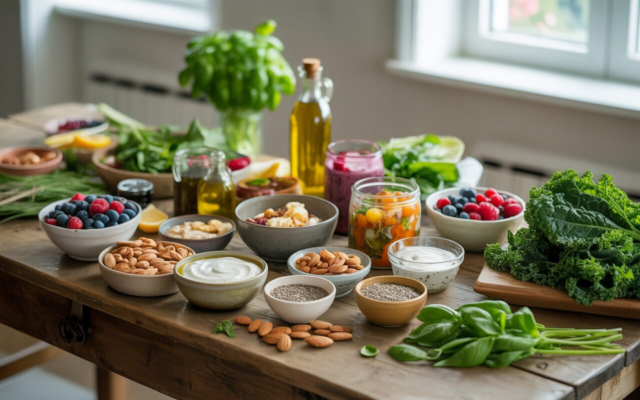
A gut reset doesn’t have to be complicated or expensive or dramatic. It’s mostly about getting back to the fundamentals: real food, fiber, fermented foods, water, sleep, and stress management. Not sexy, I know. But effective? Absolutely.
If you’re not sure where to start, I always encourage adding more fiber and plant foods first. Fiber is literally food for your healthy gut microbes, and plants (fruits, vegetables, seeds, beans…) are packed with micronutrients and bioactive compounds that support healing. And here’s the bonus: when you crowd your plate with more of the good stuff, the processed foods that may be causing damage in the first place naturally start to take up less space. Small, consistent changes add up to big shifts over time. Your gut will thank you.
If you want personalized support digging into your specific symptoms, I’m here to help! Schedule a Nutrition Consult and let’s dig in together. And if you really want to know what’s going on beneath the surface, testing like the GI Map is incredibly helpful for developing a plan that actually addresses your specific issues rather than just guessing.
More Articles You Might Like:
7 Simple Morning Rituals for a Calmer, More Peaceful Day
Frequently Asked Questions
How long does it take to reset your gut? It depends on how disrupted your gut is to begin with, but most people start noticing meaningful changes within two to four weeks of consistent effort. Full microbiome recovery, especially after something like antibiotics or a significant GI illness, can take three to six months. The key word there is consistent. Small daily habits compound faster than any short-term cleanse ever will.
Can I reset my gut without supplements? Absolutely. Food first, always. A diverse, plant-rich diet with plenty of fiber and fermented foods will do more for your gut microbiome than a cabinet full of supplements. That said, a good probiotic can be a helpful tool, especially if you’re recovering from antibiotics or dealing with significant dysbiosis. Think of supplements as support, not the solution.
What is the fastest way to improve gut health? Remove the biggest disruptors first: ultra-processed foods, excess sugar, alcohol, and chronic stress. Then add in fiber, hydration, and one or two fermented foods daily. That combination moves the needle faster than anything else I’ve seen, both in the research and in my own clients.
Is bloating every day normal? Nope! I get this question a lot and I want to be really clear: daily bloating is common, but it is not normal. Your body is telling you something is off. It might be a food sensitivity, a microbial imbalance, low digestive enzymes, or any number of things, but it is worth paying attention to rather than just accepting as your baseline.
Can stress really affect your gut that much? Oh, absolutely. The gut-brain connection runs both directions, meaning stress affects your gut just as much as your gut affects your mood. Chronic stress alters gut motility, reduces microbial diversity, increases intestinal permeability (leaky gut), and can trigger or worsen basically every symptom on this list. Stress management isn’t a bonus add-on to gut healing. It’s a core part of it.
When should I see a doctor about my gut symptoms? If you’re experiencing severe or worsening abdominal pain, blood in your stool, unexplained weight loss, or symptoms that aren’t responding to lifestyle changes after several weeks, please see your doctor. The same goes for symptoms that are significantly interfering with your daily life. There’s a lot we can do with food and lifestyle, and there’s also a time to bring in additional support. Both things are true.