Skip to content
Simple, everyday foods that help calm inflammation without dieting, restricting, or overthinking it
If you feel like the word anti-inflammatory is everywhere right now, you’re not imagining it. Nearly every wellness conversation eventually lands on inflammation, and honestly, for good reason. Chronic inflammation is linked to so many common issues I see every day, joint pain, digestive problems, fatigue, heart health concerns, autoimmune conditions, and more.
Here’s the good news. What you eat can make a real difference in how you feel and in how you protect your long-term health.
And no, this is not about a restrictive diet or cutting out everything you love. I want you to think about this as adding more of the good stuff. Foods that actively support your body and help calm inflammation, while still tasting good and fitting into real life.
These are foods you’ve probably seen before, maybe even eat sometimes already. The key is knowing how to use them consistently and without stress. So let me walk you through my top 10 anti-inflammatory foods, plus simple, realistic ways to work them into your everyday meals.
Because knowing what’s healthy is one thing. Knowing how to actually use it is where the magic happens.
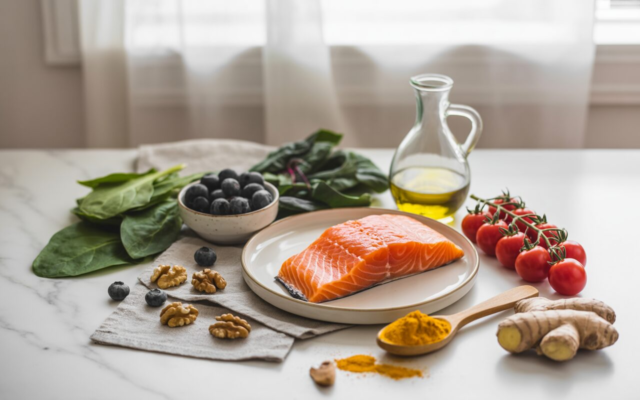
1. Fatty Fish (Salmon, Sardines, Mackerel)
Fatty fish are rich in
Research consistently shows that people who eat fatty fish regularly tend to have lower levels of inflammation in their blood.
How to use it:
Aim for two to three servings per week. Bake salmon with lemon and herbs, add sardines to a grain bowl, or make a simple mackerel salad with avocado and greens. Canned wild-caught salmon or sardines are budget-friendly and super easy.
If you love tuna salad, try swapping in canned salmon sometimes. Salmon is lower in mercury and adds variety to your lunch rotation. You can also make salmon patties, add flaked fish to pasta, or create a Mediterranean-style dish with tomatoes and olives.
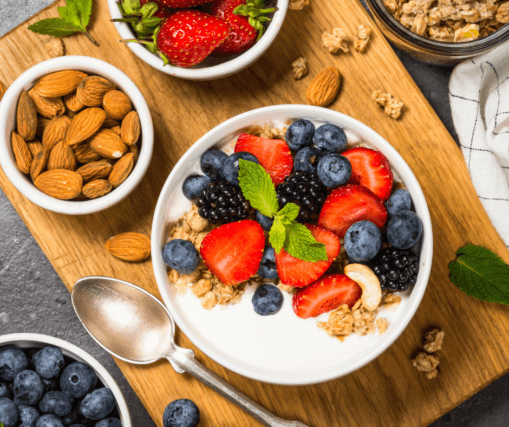
2. Berries (Blueberries, Strawberries, Raspberries)
Berries are packed with antioxidants called anthocyanins, which help reduce inflammation and protect your cells. They are also high in fiber, which supports gut health, and a healthy gut plays a huge role in managing inflammation throughout the body.
Plus, they are naturally sweet without the blood sugar spike you get from refined sweets.
How to use them:
Add them to oatmeal or yogurt, blend them into smoothies, or keep them washed and ready in the fridge for easy snacking. Frozen berries are just as nutritious and often more affordable.
Warm them up for a quick compote over pancakes or yogurt, bake them into muffins, toss them into salads, or mix them into
3. Leafy Greens (Spinach, Kale, Swiss Chard)
Dark leafy greens are loaded with vitamins A, C, and K, along with antioxidants that protect your cells from inflammatory damage. They also contain plant compounds that support your body’s natural detox pathways.
The variety helps keep things interesting, and each green offers slightly different benefits.
How to use them:
Sauté spinach with garlic, add kale to soups and stews, or toss baby spinach into smoothies. You really won’t taste it. If raw kale feels tough, massage it with olive oil and lemon to soften it.
Swiss chard is great sautéed with a splash of balsamic vinegar. Any leafy green works well in frittatas, grain bowls, pasta dishes, or as a simple side. Keeping pre-washed greens on hand makes this much easier.

4. Turmeric
Turmeric contains curcumin, a compound with impressive anti-inflammatory effects that has been used for centuries. Curcumin absorbs better when paired with black pepper and a healthy fat, like olive oil or coconut oil.
How to use it:
Add turmeric to scrambled eggs, roasted vegetables, soups, curries, or rice dishes. Make a warming golden milk with milk of choice, black pepper, cinnamon, and a little honey.
You can also sprinkle it on roasted cauliflower, blend it into hummus, or mix it into a tahini-lemon dressing for salads and bowls.
5. Extra Virgin Olive Oil
High-quality extra virgin olive oil contains oleocanthal, a compound that works similarly to ibuprofen in reducing inflammation. It is a cornerstone of the Mediterranean diet, which is consistently linked to lower inflammation and reduced chronic disease risk.
How to use it:
Drizzle it over salads, vegetables, soups, and whole grains. Use it for homemade dressings or pesto. Save your best olive oil for finishing dishes rather than high-heat cooking to preserve its benefits.
6. Nuts (Walnuts, Almonds, Pistachios)
Nuts provide healthy fats, fiber, protein, and antioxidants, a combination that supports blood sugar balance and reduces inflammation. Walnuts are especially high in
How to use them:
Keep individual packs in your bag for easy snacks. Sprinkle them on salads or oatmeal, blend into smoothies, or make your own trail mix with seeds and a little dark chocolate.
You can use crushed nuts as a coating for fish or chicken, add them to stir-fries, or make homemade nut butter. When buying nut butter, look for options with minimal ingredients and no added seed oils.
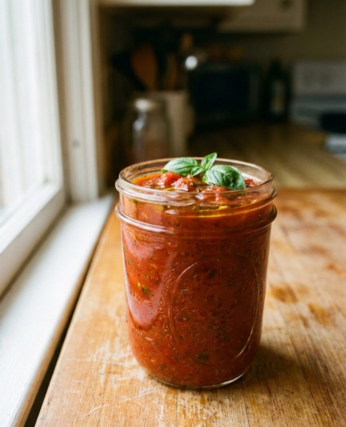
7. Tomatoes
Tomatoes are rich in lycopene, a powerful antioxidant that becomes more absorbable when tomatoes are cooked. They also provide vitamin C and potassium, both helpful for inflammation and heart health.
How to use them:
Make a simple marinara, roast cherry tomatoes with olive oil and garlic, or add fresh tomatoes to salads and sandwiches. Sun-dried tomatoes are great in pasta and grain bowls.
Homemade tomato soup, omelets with tomatoes, or fresh salsa are all easy wins.
8. Ginger
Ginger has strong anti-inflammatory properties and is especially helpful for digestion, nausea, muscle soreness, and joint discomfort. Heating ginger actually enhances some of its beneficial compounds.
How to use it:
Grate fresh ginger into stir-fries, smoothies, soups, or dressings. Steep it in hot water for tea. Keep ginger in the freezer so it lasts longer and grates easily.
Try it in carrot soup, immunity shots, or baked goods for warmth and depth.
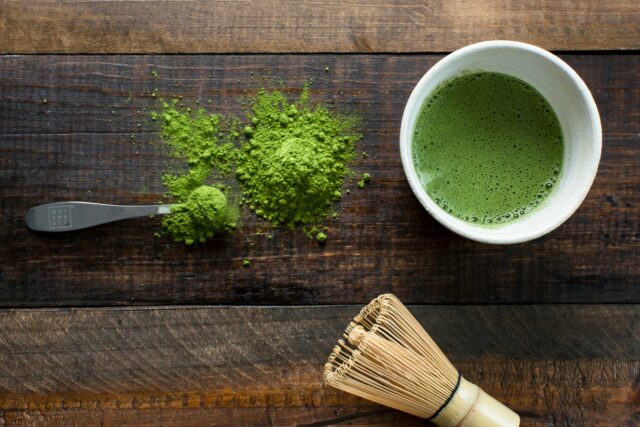
9. Green Tea
Green tea is rich in polyphenols, especially EGCG, which have powerful anti-inflammatory and antioxidant effects. It also provides gentle energy without the jitters some people get from coffee.
How to use it:
Enjoy it hot or iced. Brew it strong and use it as a smoothie base, or add mint and lemon for a refreshing drink. Matcha is a more concentrated option and works well in lattes or energy bites.
10. Dark Chocolate
Yes, chocolate counts. Dark chocolate with at least 70 percent cacao contains flavonols that support heart health and reduce inflammation.
How to use it:
Enjoy a small square mindfully, melt it over berries, or add cacao powder to smoothies or oatmeal. A little goes a long way. Homemade chocolate bark with nuts and dried fruit is another great option.
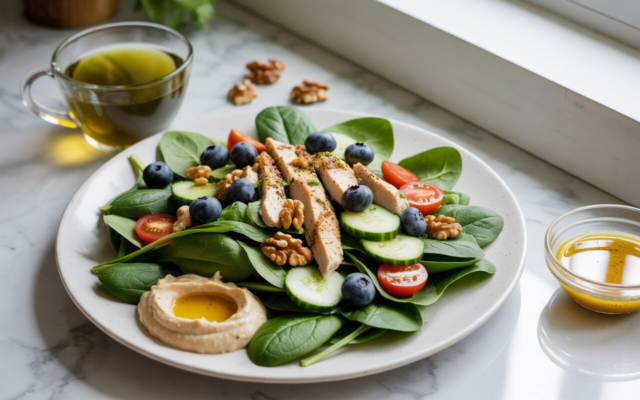
A Simple 3-Day Anti-Inflammatory Meal Plan
Day 1
Breakfast: Oatmeal with blueberries, walnuts, cinnamon, and honey
Lunch: Spinach salad with grilled salmon, cherry tomatoes, almonds, and olive oil lemon dressing
Snack: Green tea with pistachios
Dinner: Turmeric-spiced chicken, roasted vegetables with olive oil, sautéed kale with ginger
Day 2
Breakfast: Smoothie with spinach, frozen berries, ginger, almond butter, and green tea
Lunch: Kale and quinoa bowl with sardines, avocado, tomatoes, and turmeric tahini dressing
Snack: Apple slices with almond butter
Dinner: Baked mackerel with roasted tomatoes and herbs, Swiss chard, brown rice
Day 3
Breakfast: Scrambled eggs with turmeric and black pepper, sautéed spinach
Lunch: Mixed greens with grilled chicken, strawberries, pistachios, olive oil balsamic dressing
Snack:
Dinner: Salmon stir-fry with ginger, garlic, colorful vegetables, brown rice
Simple Tips for Success
Start small. Add one or two anti-inflammatory foods to your grocery list this week. Prep ingredients ahead of time so healthy choices feel easier. Keep frozen berries, canned fish, nuts, and olive oil on hand for quick wins.
At the same time, gently reduce highly processed foods, refined sugar, and excess red meat. This is about balance, not perfection.
Bringing it all together!
Reducing inflammation does not require a total diet overhaul or expensive supplements. It comes down to consistently choosing whole, nourishing foods that support your body’s natural healing systems.
Focus on progress, not perfection. Every anti-inflammatory meal counts, even if the next one is not perfect. Be kind to yourself, enjoy the food, and pay attention to how your body feels as you add more of these foods in.
Your body is incredibly responsive to care. Feed it well, and it will often return the favor with more energy, better digestion, less pain, and a stronger sense of overall well-being.

Get Personalized Support
If you’re feeling stuck, overwhelmed, or unsure how to make this work for your body, you don’t have to figure it out alone. I offer 1:1 nutrition and wellness support to help you reduce inflammation, improve digestion, and feel better in a way that’s realistic and sustainable.
👉 Reach out here to work with me 1:1
And if you want a simple place to start, grab my free Anti-Inflammatory Diet & Lifestyle Guide for easy food swaps, meal ideas, and daily habits you can start using right away.
Frequently Asked Questions
What does “anti-inflammatory” actually mean when it comes to food?
Anti-inflammatory foods help calm chronic, low-grade inflammation in the body. They tend to be rich in antioxidants, fiber, healthy fats, and phytonutrients that support your immune system, gut health, and overall cellular health.
How long does it take to notice results from eating anti-inflammatory foods?
Some people notice improvements in digestion, energy, or joint comfort within a couple of weeks. For deeper, long-term changes, consistency over several months matters most. This is about building habits, not quick fixes.
Do I need to avoid all inflammatory foods completely?
No. This is not about perfection or restriction. The goal is to add more anti-inflammatory foods more often. Over time, that naturally leaves less room for ultra-processed foods without feeling deprived.
Can an anti-inflammatory diet help with gut health?
Yes. Many anti-inflammatory foods are also high in fiber and polyphenols, which support a healthy gut microbiome. Since gut health and inflammation are deeply connected, improving one often helps the other.
Is an anti-inflammatory diet the same as the Mediterranean diet?
They overlap a lot. The Mediterranean diet emphasizes olive oil, fish, vegetables, fruits, and whole foods, which are all naturally anti-inflammatory. You can think of anti-inflammatory eating as the why behind many Mediterranean-style habits.
Can this help with joint pain, autoimmune issues, or chronic conditions?
Anti-inflammatory eating can be a powerful supportive tool for managing symptoms and improving quality of life. It does not replace medical care, but it often works alongside treatment to help people feel better.
Is this safe during pregnancy or menopause?
Generally yes, since it focuses on whole, nutrient-dense foods. That said, individual needs vary, especially during pregnancy, postpartum, or hormonal transitions. Personalized guidance can be helpful during these stages.
Do I need supplements if I eat an anti-inflammatory diet?
Not necessarily. Many people can meet their needs through food alone. Supplements may be helpful in certain cases, but they should be individualized rather than used as a blanket recommendation.
What if fiber bothers my digestion?
This is common, especially if your gut is sensitive. Start slowly, cook vegetables well, and focus on soluble fiber sources. More is not always better at first. This is where personalized support can make a big difference.
Is anti-inflammatory eating expensive?
It does not have to be. Frozen vegetables and berries, canned fish, bulk grains, and simple meals can be very budget-friendly. You do not need specialty products to eat this way.
How do I know if I’m doing “enough”?
If you are adding more whole foods, noticing how your body feels, and staying consistent most of the time, you are doing enough. Progress always beats perfection.
When should I consider working with a dietitian for inflammation?
If you have ongoing digestive issues, autoimmune conditions, chronic pain, fatigue, or feel overwhelmed trying to figure this out on your own, 1:1 support can help you personalize this approach and avoid trial and error.