Skip to content
Simple, Real-Food Meals to Boost Protein, Fiber, Energy, and Gut Health Without Powders or Supplements
If you’ve ever been told you need protein shakes, bars, powders, or something neon-colored from a tub to eat enough protein. I’m here to tell you nope! They can be helpful, but they are not essential.
You can eat a high-protein, high-fiber diet made up of real foods. Normal food. Food you actually enjoy and want to eat again tomorrow.
And honestly, this matters more than ever. Protein supports muscle, metabolism, blood sugar, hormones, and satiety. Fiber supports digestion, gut health, blood sugar balance, cholesterol, and inflammation. Together, they help you feel full, energized, and steady instead of hangry and crashing by midafternoon.
So today I’m walking you through one full day of eating that’s high in both protein and fiber. No protein shakes required. No perfect tracking. Just balanced, doable meals that work in real life.
This is how I like to eat, and this is how I teach my clients to eat.
What “High Protein” and “High Fiber” Really Mean
When I say high protein and high fiber, I’m not talking about extremes. For most women, I generally aim for about 25 to 35 grams of protein per meal and around 8 to 12 grams of fiber per meal.
That usually puts you in the range of 100 to 120 grams of protein and 25 to 35 grams of fiber per day, depending on portions and individual needs. This isn’t a rigid rule. It’s a framework, and it works.
Breakfast: A Savory, Protein-Packed Start
Starting the day with protein changes everything.
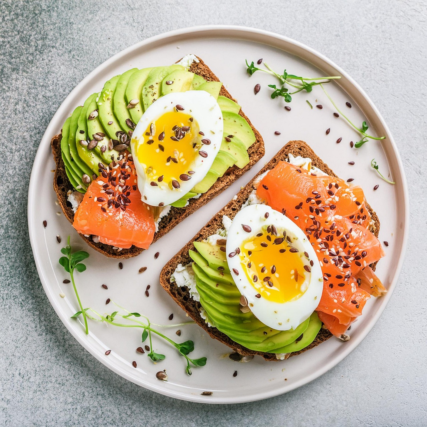
One of my favorite breakfasts is a savory egg and veggie plate. I usually do two whole eggs plus two egg whites scrambled with spinach, mushrooms, and red onion, cooked in olive oil, and served with a slice of hearty whole-grain or sourdough toast. Or try this yummy Breakfast Burrito Bowl!
Eggs are one of the most bioavailable protein sources we have. The vegetables add fiber and volume, and the toast provides slow-digesting carbs that support energy and hormones. This type of breakfast is similar to several of my simple egg-based recipes that load in vegetables without making breakfast complicated.
This meal typically provides around 30 grams of protein and 8 to 10 grams of fiber.
Mid-Morning Snack: Protein That Actually Holds You Over
Mid-morning is where a lot of people unintentionally under-eat protein, then wonder why lunch turns into a free-for-all.
A simple snack of Greek yogurt with berries and seeds can make a huge difference. Plain Greek yogurt paired with fresh or frozen berries and a spoon of
This is a snack I use constantly with clients who say they’re not big breakfast people or who forget to eat protein earlier in the day. It’s quick, balanced, and actually satisfying.
You can expect about 18 to 22 grams of protein and 6 to 8 grams of fiber from this combo.
Lunch: A High-Protein, High-Fiber Mediterranean Bowl
Lunch is where I love to lean into Mediterranean-style meals.
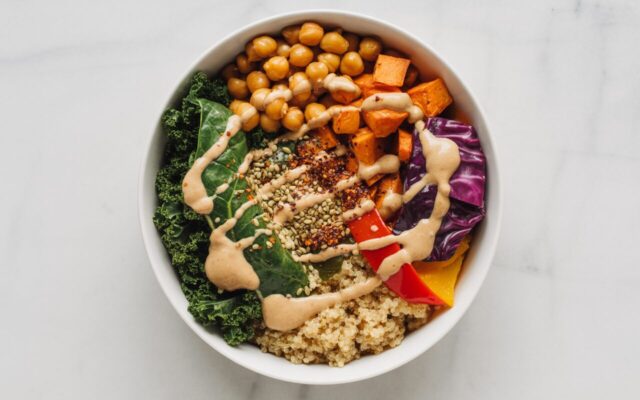
A high-protein Mediterranean bowl might include grilled or roasted salmon (you can even use a salmon or tune packet to make it easy), cooked quinoa or lentils, chopped cucumber, tomato, and red onion, plus roasted broccoli or Brussels sprouts, all finished with extra virgin olive oil, lemon, and herbs.
This style of meal shows up again and again in my recipes because it checks every box. You get complete protein, fiber from both vegetables and grains or legumes, and healthy fats that support satiety and nutrient absorption.
This kind of lunch keeps energy steady and helps prevent the afternoon crash. Most versions land around 35 grams of protein and 10 to 12 grams of fiber.
Afternoon Snack: Savory, Satisfying, and Balanced
In the afternoon, I like a snack that feels like real food, not filler.
Cottage cheese is one of the most underrated high-protein options out there. Pair it with cherry tomatoes or sliced cucumber, add a drizzle of olive oil and cracked pepper, and if you want a little crunch, include a few whole-grain crackers or roasted chickpeas.
Cottage cheese provides slow-digesting protein, vegetables add fiber and volume, and a little fat improves satisfaction. This is especially helpful if you’re tired of sweet snacks or feel like snacks never actually satisfy you.
This snack typically provides 20 to 25 grams of protein and 3 to 5 grams of fiber.
Dinner: Comforting, Nourishing, and Protein-Forward
Dinner doesn’t need to be light to be healthy, and it doesn’t need to be complicated.
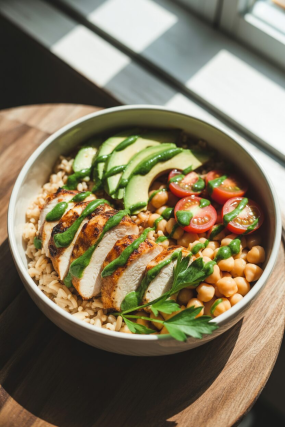
One of my favorite simple dinners is baked salmon or chicken with herbs and garlic, roasted sweet potatoes, and a generous side of sautéed greens or roasted cauliflower. This mirrors many of my weeknight dinner recipes where protein is the anchor, vegetables take up most of the plate, and carbs play a supportive role.
You finish the day with a nutrient-dense, anti-inflammatory meal that supports muscle repair, digestion, and sleep. Fiber at dinner also helps regulate blood sugar overnight.
Most dinners like this provide around 35 grams of protein and 8 to 10 grams of fiber.
Optional Evening Snack: If You’re Hungry, Eat
If you’re hungry in the evening, it’s okay to eat. But be mindful of not eating too late in the evening. Try to stop eating about 2 hours before bedtime.
This might look like apple slices with almond butter, a small bowl of berries with Greek yogurt, or air-popped popcorn with olive oil and sea salt. These options add fiber without turning into mindless eating.
What This Day of Eating Looks Like Overall
When you zoom out, this full day of eating typically lands around 110 to 125 grams of protein and 30 to 35 grams of fiber.
Notice what’s missing. No protein shakes, bars, powders, or restriction. This approach is flexible, realistic, and sustainable. It’s how you build habits that actually stick.
Want Help Making This Work for You?
If this feels far from how you currently eat, you’re not doing anything wrong. Most people were never taught how to build balanced meals that support energy, digestion, and metabolism. You’re not behind. You’re just missing a framework.
If you want personalized support, I currently have openings for 1:1 coaching where we tailor this approach to your body, schedule, and goals. And if you want to start on your own, grab my free high-protein, high-fiber guide where I break this down with food lists, simple swaps, and real-life examples.
Progress over perfection. Real food. Real support. You don’t need protein shakes. You just need a plan that works.
Download my Free 30+ Gram/ Day Fiber Guide to help you get started adding fiber into your diet!
Frequently Asked Questions About High-Protein, High-Fiber Eating
How much protein do I actually need per day?
Protein needs vary based on age, activity level, muscle mass, and health goals, but most women feel best eating around 20 to 30 grams of protein per meal. That typically puts daily intake in the range of 100 to 120 grams. You don’t need to hit a perfect number every day. Consistency over time matters more than precision.
How much fiber should I aim for each day?
Most adults benefit from at least 25 grams of fiber per day, and many feel even better closer to 30 to 35 grams. Fiber supports digestion, blood sugar balance, cholesterol, and gut health. The key is increasing fiber gradually and drinking enough water so your digestion can keep up.
Can I eat high protein and high fiber without protein shakes?
Yes, absolutely. Whole foods like eggs, Greek yogurt, cottage cheese, fish, chicken, legumes, and whole grains can easily meet protein needs when meals are built intentionally. Protein shakes can be convenient, but they are not required for a high-protein diet.
What if eating more fiber bothers my stomach?
If fiber tends to cause bloating or discomfort, increase it slowly. Focus on well-cooked vegetables, soaked or cooked grains and legumes, and spread fiber intake throughout the day rather than loading it all into one meal. Supporting digestion first often makes higher fiber intake much more comfortable.
Is this way of eating good for weight loss?
High-protein, high-fiber meals tend to support weight loss naturally because they increase fullness, stabilize blood sugar, and reduce overeating. This approach focuses on nourishment rather than restriction, which makes it more sustainable long term.
Can I eat this way if I’m a vegetarian?
Yes. Vegetarian protein sources like Greek yogurt, cottage cheese, eggs (if you are a lacto-ovo vegetarian), lentils, beans, tofu, tempeh, and quinoa can all fit into a high-protein, high-fiber approach. Check out this article about High Protein, High Fiber foods. You may need to be a bit more intentional with portions and variety, but it’s absolutely doable.
Is high-protein, high-fiber eating good for gut health?
Yes, when done thoughtfully. Fiber feeds beneficial gut bacteria, while protein supports tissue repair and immune health. The key is choosing a variety of fiber sources and avoiding extremes. If you have gut issues, starting slowly and individualizing choices is important.
Do I need to track protein and fiber to do this correctly?
No. Tracking can be helpful short term for awareness, but it’s not required. Building balanced meals with a protein source, fiber-rich vegetables or grains, and healthy fats will naturally move you in the right direction.
Can this help with blood sugar and energy levels?
Yes. Pairing protein and fiber at meals slows digestion and reduces blood sugar spikes, which helps prevent energy crashes and intense cravings. Many people notice steadier energy within a week or two of eating this way.
What’s the easiest way to start eating more protein and fiber?
Start with one meal. Add a protein source to breakfast, include vegetables at lunch and dinner, and choose snacks that contain both protein and fiber. Small changes add up quickly.
This post contains affiliate links, which means I may earn a small commission if you make a purchase through these links—at no extra cost to you. Thank you for supporting my work!.