 Skip to content
Simple, Easy and Healthy Meals You and Your Whole Family Will Love!
(Updated March 2026)
Let’s be real for a second. There have been plenty of weeks in my life where “dinner” meant a drive-through bag passed over the center console while someone in the back seat complained about homework. No judgment. Truly. But once I started actually planning our dinners ahead of time, something shifted… not just in how we were eating, but in how we felt. And the more I learned about what happens nutritionally when we cook at home versus eating out, the more motivated I got to stay consistent.
So let’s talk about it. Because I think once you know the why behind home cooking, the how gets a whole lot easier.

Why Cooking at Home is a Game Changer (Nutritionally Speaking)
Here’s something most people don’t realize: the average restaurant meal contains significantly more sodium, saturated fat, and calories than a comparable home-cooked meal. We’re talking sometimes two to three times more. Restaurants are in the business of making food taste incredible, and the way they do that is with generous amounts of butter, oil, salt, and sugar. That’s not a conspiracy theory, that’s just cooking for mass appeal.
When you cook at home, you control every single ingredient. You decide how much oil goes in the pan, whether the sauce gets a tablespoon of butter or a drizzle of olive oil, and how much salt actually ends up in the dish. That kind of control adds up in a big way over time, especially if you’re managing blood pressure, cholesterol, blood sugar, or just trying to feel better in your body on a daily basis.
A few more things worth knowing:
Fiber is almost always higher in home-cooked meals. When you’re building a plate with whole grains, real vegetables, and legumes, you’re naturally adding fiber that most restaurant meals are missing. And fiber matters more than people realize. It feeds your gut microbiome, keeps blood sugar stable, supports healthy cholesterol levels, and keeps you full longer. Most Americans are only getting about half the fiber they need daily, and eating at home is honestly one of the easiest ways to close that gap.

Protein quality is easier to control at home. Restaurant proteins are often heavily processed, breaded, fried, or swimming in high-sodium marinades. When you’re grilling your own chicken or baking your own salmon, you know exactly what you’re getting. You can also choose higher quality sources more easily, think grass-fed beef, wild-caught fish, or organic poultry, without paying the massive restaurant markup.
Portion sizes are realistic. This is a big one. Restaurant portions have ballooned over the decades to the point where a single entrée can contain two full servings (or more). At home, you plate what you need and put the rest away. Done. Over time, this makes a significant difference in how much you’re actually consuming without ever having to track or obsess over numbers.
You’re also much more likely to include vegetables. I know, I know. But it’s true! When you’re building a meal at home, you naturally toss in the broccoli or the side salad or the roasted asparagus. Eating out, vegetables are often an afterthought or an upcharge.

Your wallet will thank you too. Okay, this isn’t a nutrition benefit, but it’s worth saying! The average American family spends significantly more per meal eating out than cooking at home. Redirect even a few of those restaurant meals per week and you’ll feel it in your budget pretty quickly.
And honestly? The mental health side of home cooking is real too. There is something genuinely grounding about preparing food for yourself and the people you love. It slows the day down in the best way.
How to Build a Balanced Plate (Without Overthinking It)
Before we get to the recipes, here’s the simple formula I use every single time I plan a meal. No food math required.
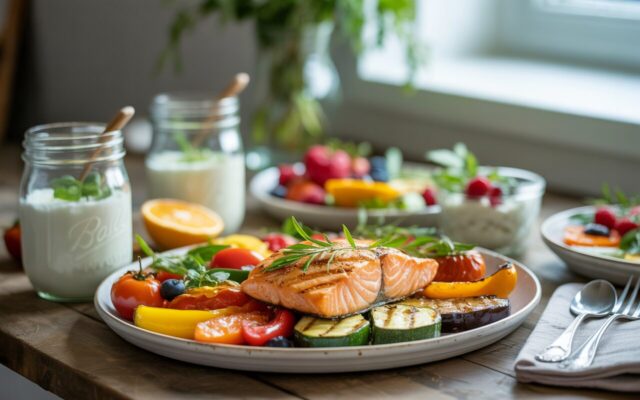
Your plate should have three things:
A protein. This is your anchor. Chicken, ground turkey, salmon, eggs, beans, tofu… whatever works for your family. Protein keeps everyone full and satisfied, supports muscle health, and stabilizes blood sugar after the meal.
A vegetable. At least one! Roasted, steamed, sautéed, raw, honestly it doesn’t matter. Getting a variety of colorful vegetables in throughout the week is one of the highest-impact nutrition moves you can make for your whole family.
A starch or complex carb. Brown rice, quinoa, whole grain pasta, sweet potato, regular potato… carbs are not the enemy (I will also die on this hill). Complex carbs provide sustained energy, and when you pair them with protein and vegetables, the whole meal works together beautifully.
That’s it. That’s the formula. Protein plus vegetable plus starch equals a balanced, nourishing dinner that will actually keep everyone full until morning.
The Key to Stress-Free Dinners: Planning
Okay so now that I’ve fully convinced you (I hope), let’s talk about making this actually doable.
The secret sauce to healthy weeknight meals? Planning ahead. Just 20 minutes on Sunday to map out your weekly menu will save you from the 5pm “what’s for dinner?!” spiral every single night. Once you have your menu, build your grocery list from it and you’re set. Bonus points if you do curbside pickup or delivery to save even more time!
And here’s a little tip that changed everything for me: when you’re grocery shopping for the week, do a tiny bit of prep when you get home. Wash and chop your vegetables, cook a big batch of rice or quinoa, or marinate your proteins. Even 20 to 30 minutes of Sunday prep makes Tuesday night dinner feel almost effortless.
2 Weeks of Family-Friendly Dinner Recipes
Here’s your go-to list of easy, nourishing dinners your family will devour:
(Grab a Free Mediterranean Diet Recipe Bundle Below!)

1. Chicken Burrito Bowl — Grilled chicken over cilantro rice with black beans, fresh salsa, and avocado. It’s a crowd-pleaser and endlessly customizable based on what your family loves.
2.Greek Chicken and Rice Bowl — Tender seasoned chicken over fluffy rice with cucumber, tomatoes, olives, and a drizzle of tzatziki. Fresh, filling, and on the table fast.
3.Cajun Black Beans and Rice with Turkey Sausage — Smoky, spiced, and deeply satisfying. This one is a fiber and protein powerhouse that tastes like it simmered all day (it didn’t).
4.Chicken Chimichurri Bowl — Juicy grilled chicken topped with a bright, herby chimichurri sauce over rice and roasted veggies. This one is on repeat in my house for good reason.
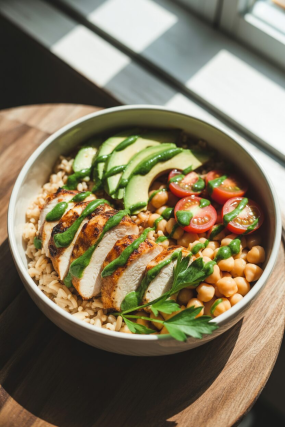
5. Egg Roll in a Bowl — All the flavors of a takeout egg roll without the wrapper or the guilt. Ground turkey, cabbage, carrots, and a savory sauce come together in about 20 minutes.
6. Honey-Lime Zucchini Tacos — A fun meatless option that even the non-vegetarians at your table will love. Sweet, tangy, and packed with fresh summer flavor.
7. Homemade Taco Soup — Everything goes in one pot and it basically makes itself. Ground turkey, beans, corn, and tomatoes in a richly seasoned broth. Serve it with tortilla chips and shredded cheese and watch it disappear.
8. Lentil Chili — Hearty, warming, and loaded with plant-based protein and fiber. This one is perfect for meal prep because it tastes even better the next day.
9. Rosemary Dijon Pork Tenderloin with Red Cabbage and Apples — This sounds fancy but it is genuinely weeknight easy. The sweet and savory combo of apples and cabbage alongside herb-crusted pork is something special.
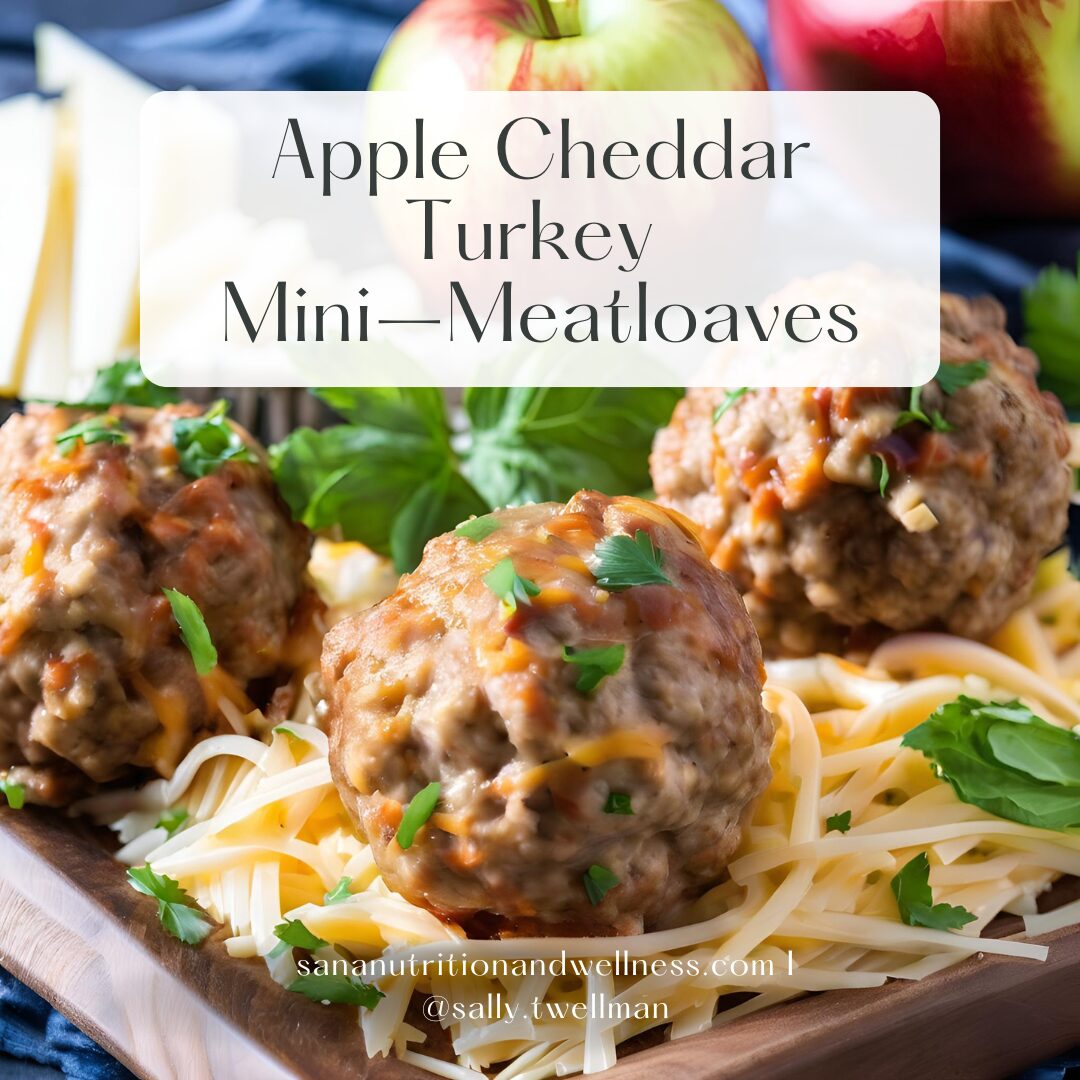
10. Apple Cheddar Mini Meatloaves — Individual meatloaves that bake in half the time of a traditional one. The apple and cheddar combo keeps them moist and gives them a slightly sweet, savory flavor the kids always love.
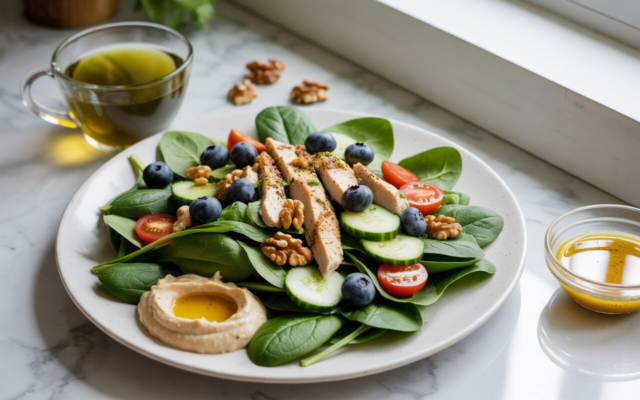
11. Dill Chicken with Apple Dijon Salad — Light, fresh, and so satisfying. Herb-seasoned chicken paired with a crisp apple and dijon salad that feels like a restaurant meal on a Tuesday night.
12. Sheet Pan Sausage and Veggies — Roast chicken sausage, broccoli, bell peppers, and baby potatoes all on one pan with olive oil and your favorite seasonings. Minimal cleanup, maximum flavor.
13. Spaghetti and Turkey Meatballs — Grab my Italian Red Sauce (it’s made with real, simple ingredients and so easy) or pick up a jar from the store, just check the ingredients first. You want to see tomatoes, olive oil, garlic, and herbs. If sugar is in the top three ingredients or you can’t pronounce half the list, put it back. Toss the sauce with gluten-free or whole-grain spaghetti and simple turkey meatballs, then add sautéed broccoli, zucchini, onion, and garlic to sneak in extra fiber and nutrients. The vegetables basically disappear into the sauce and nobody complains. Win.

14. Homemade Pizza Night — Who doesn’t love pizza! Use store-bought crusts and let everyone top their own with marinara, mozzarella, veggies, and their favorites. It is less of a recipe and more of a family activity, and honestly these are some of my favorite dinners
Need some more meal ideas? Glab this Mediterrean Recipe Bundle!
It makes eating healthy so easy! Download it right now.
Dinner time does not have to be so stressful! With a little planning, a simple balanced plate formula, and these recipes in your back pocket, you’ll have nourishing, genuinely delicious meals on the table without the chaos every single week. Your future self (and your gut microbiome) will thank you.

Frequently Asked Questions
Is it really cheaper to eat at home than go out? Yes, significantly. The average restaurant meal costs three to five times more per person than a comparable home-cooked meal. When you factor in tips, drinks, and the inevitable “let’s just get dessert too,” eating out adds up fast. Even a simple weeknight dinner made at home from whole ingredients is a fraction of the cost, and usually more nutritious too.
How do I get my family to actually eat healthy dinners? Honestly? Involve them. When kids (and partners!) have a hand in choosing meals or helping in the kitchen, they are so much more likely to eat what ends up on the plate. Start with familiar flavors and build from there. The taco soup, pizza night, and burrito bowls on this list are great starting points because they already feel fun and approachable, not like “health food.”
How do I start meal planning if I’ve never done it before? Start small. You don’t have to plan every single meal for the week right out of the gate. Start by planning just your dinners, which is where most people feel the most weeknight stress anyway. Pick three to five recipes, make your grocery list, and call it done. Once that feels easy, layer in lunches or a weekly meal prep session. Check out my post [Master the Art of Menu Planning] for a deeper dive!
What is the healthiest pasta option for spaghetti night? Great question! Whole-grain pasta is a solid choice because it retains more fiber and nutrients than traditional white pasta. Gluten-free pasta made from chickpeas or lentils is another fantastic option because it packs significantly more protein and fiber per serving. Either way, the real nutrition win on spaghetti night is loading the sauce up with vegetables like broccoli, zucchini, onion, and garlic the way we do in this recipe.
How do I build a balanced dinner plate without overthinking it? Use the simple formula from this post: protein plus vegetable plus starch. Pick one from each category and you’re done. A piece of grilled chicken, a handful of roasted broccoli, and a scoop of brown rice is a perfectly balanced, nourishing dinner. No food math, no tracking, no stress.
Can I meal prep any of these recipes ahead of time? Most of them, yes! The lentil chili, taco soup, and slow cooker style recipes actually taste better the next day after the flavors have had time to develop. Grains like rice and quinoa reheat beautifully, and proteins like grilled chicken and turkey meatballs hold up well in the fridge for three to four days. My biggest meal prep tip: cook once, eat twice. Make a double batch of whatever you’re already making and thank yourself on Thursday.
How much protein should a healthy dinner have? A good general target is 25 to 40 grams of protein per meal for most adults, though individual needs vary based on body size, activity level, and health goals. Every recipe on this list includes a quality protein source to help you hit that range. If you want to geek out on protein a little more, check out my post [How to Eat 100g of Protein Without Tracking Macros]!

![[Master the Art of Menu Planning]](https://sananutritionandwellness.com/wp-content/uploads/2014/07/Master-the-art-of-menu-planning-1.jpg)