Skip to content
How to Front-Load Your Fiber and Feel Better All Day Long
You have probably heard that you need to eat more fiber, at least 30 grams to be exact. But the average American gets around 15 grams of fiber per day, which is half of the basic recommendation of 30g/day. Getting enough fiber is so important; it supports gut health, feeds healthy microbes in your gut, helps to regulate blood sugar, and all of these things help your body manage chronic inflammation!
But it can be tough to get enough fiber, so that is why I like the strategy of fronting your fiber and trying to get ~30 grams before noon, because then the rest is gravy! Of course, I want you to continue focusing on high fiber foods throughout your day, because by eating high fiber foods, you will automatically get nutrient dense foods, fiber comes naturally packaged with foods that are high in vitamins, minerals, and phytochemicals. Also, fiber helps you feel fuller longer, your digestion runs more smoothly, and you’re supporting the kind of gut microbiome that does good things for your mood, your energy, and your long-term health.
The good news? Getting 30 grams of fiber before noon isn’t hard, you just need to be thoughtful and strategic!
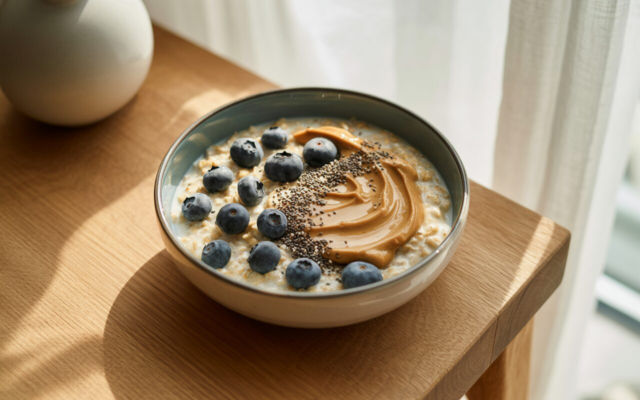
Why Fiber at Breakfast Is Such a Big Deal
As I have said, fiber is essential for good health! What does it do exactly? I love that question, let me tell you.
Blood sugar stability. Fiber slows glucose absorption, which means fewer blood sugar crashes, which means less energy crashes and less of that mid-morning hunger and snacking!
Gut microbiome support. Prebiotic fiber feeds the beneficial bacteria in your gut, which in turn produce short-chain fatty acids that reduce inflammation, support immune function, and even influence mood through the gut-brain axis.
Satiety and appetite regulation. Soluble fiber forms a gel-like substance in your digestive tract that keeps you feeling full and satisfied, not stuffed, just comfortably sustained.
Inflammation reduction. A fiber-rich diet is consistently associated with lower levels of systemic inflammation, which is foundational for everything from heart health to cognitive function to reducing chronic disease risk.
The Fiber Power Players to Keep on Hand
Before we get into the actual breakfasts, these are the ingredients that will do the most work for you:
Chia seeds bring 10 grams of fiber per 2 tablespoons. An absolute workhorse.
Ground flaxseed adds 3.8 grams per tablespoon, plus
Rolled oats: offer 4 grams per half cup dry, with a special type of soluble fiber called beta-glucan that’s been well-studied for cholesterol and blood sugar benefits.
Berries (especially raspberries and blackberries) give you around 4 grams per half cup with minimal sugar. Berries are great, but other fruits like apples, pears, and cherries are also great, high-fiber options!
Avocado clocks in at 10 grams per whole fruit; yes, it absolutely counts at breakfast.
Black beans or lentils: if you are open to savory mornings, beans offer 7 to 8 grams per half cup and are more breakfast-friendly than you might expect.
High Fiber Breakfast Ideas That Actually Hit 30 Grams
1. The Chia Pudding Power Bowl (~28 to 32g fiber)
This one is a make-ahead dream. Combine 4 tablespoons of
Sweeten with a little monk fruit or a drizzle of raw honey if you like it on the sweeter side.
2. Savory Avocado Toast with a White Bean Spread (~22 to 27g fiber)
Take two slices of whole-grain bread (look for at least 3 grams of fiber per slice) and spread a layer of mashed white beans seasoned with lemon juice, garlic, and a pinch of sea salt. Top with sliced avocado, a handful of baby arugula, and a soft poached egg for extra protein. Finish with red pepper flakes and a little olive oil.
The white beans are the secret here. They add a creamy texture similar to hummus but with significantly more fiber. Add a side of sliced fruit or a small smoothie to push closer to 30 grams.
3. The Anti-Inflammatory Smoothie (~18 to 22g fiber, pair with something solid)
Blend together one cup of frozen raspberries or mixed berries, half a banana, one tablespoon of
Pair this with a slice of whole grain toast topped with almond butter to round out your fiber and keep hunger at bay. The combination of soluble and insoluble fiber in this meal is especially good for digestive regularity and overall gut health.
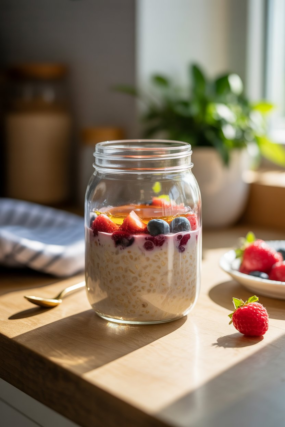
4. Overnight Oats with All the Toppings (~25 to 30g fiber)
Combine half a cup of rolled oats with three-quarters cup of your milk of choice, two tablespoons of
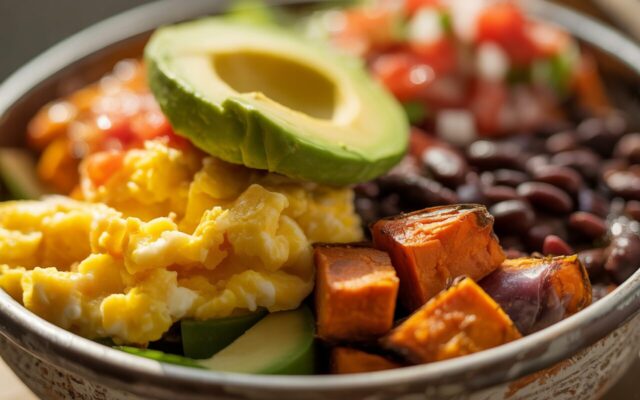
5. The Breakfast Burrito Bowl with a Twist (~25 to 30g fiber)
Scramble two eggs and combine them with half a cup of black beans, a handful of spinach or kale sauteed in olive oil, and some diced tomatoes. Wrap everything in a large whole wheat tortilla (look for ones with 8 to 10 grams of fiber each) and top with fresh salsa and sliced avocado. Get the whole recipe here.
I know a lot of these feel very lunchy, but this is an absolute powerhouse for anyone who prefers savory mornings. The combination of beans, leafy greens, and a fiber-rich tortilla gets you to that 25 to 30 gram mark with ease, and the protein keeps blood sugar steady throughout the morning.
A Few Tips to Increase Fiber Without Discomfort
Increase gradually. If you’re currently getting 15 grams per day, jumping to 30 grams overnight (especially all at one time) can cause bloating and discomfort. Increase by about 5 grams per week and drink plenty of water alongside it.
Stay Hydrated. Fiber absorbs water, so if you’re not drinking enough, it can actually make constipation worse instead of better. Aim for at least 8 cups of water daily.
Mix your fiber types. Both soluble fiber (oats,
Don’t rely on supplements alone. Fiber supplements like psyllium can be helpful as a complement, but they don’t provide the phytonutrients, antioxidants, and other compounds that come with whole food sources. Use them to fill gaps, not as a foundation. ( I Like this Fiber Supplement)

The Bottom Line
Getting 30 grams of fiber before noon sounds ambitious until you realize that a
And the payoff is real. Better digestion, steadier energy, fewer cravings, and long-term support for your gut health, inflammation levels, and metabolic function. That’s a lot of return on one meal.
Start with one of the ideas above and see how you feel. You might be surprised how much better your whole day goes when you front-load the fiber
Frequently Asked Questions
Is 30 grams of fiber a day really necessary? The official recommendation is 25 grams per day for women and 38 grams per day for men, so 30 grams is actually a really solid middle-ground goal for most people. And honestly, most of us are so far under that number that even getting close to 30 grams would be a meaningful upgrade for your gut health, blood sugar, and energy levels.
Can I get too much fiber? Technically yes, but it’s pretty rare from whole foods alone. The bigger issue most people run into is adding too much too fast, which can cause bloating, gas, and general digestive unhappiness. That’s why I always say increase gradually and drink your water. Your gut will thank you.
What if I’m not a breakfast person? Do I still need to front-load my fiber? Not necessarily! The front-loading strategy is just that, a strategy. It works really well for people who tend to under-eat fiber throughout the day and then try to play catch-up at dinner. But if you’re someone who eats a late breakfast or does better with a bigger lunch, just focus on building fiber into whatever your first meal of the day actually is.
Do fiber supplements count toward my daily total? They do count toward the gram count, yes. But I want to be clear that supplements like psyllium husk or inulin are not a replacement for food-based fiber. Whole foods bring fiber packaged alongside vitamins, minerals, antioxidants, and phytochemicals that you simply cannot get from a powder. Use supplements to fill in gaps, not as your primary source.
I already eat pretty healthy. Why am I still not hitting 30 grams? This is so common! Eating healthy doesn’t automatically mean eating high fiber. Things like chicken, fish, eggs, dairy, and even a lot of vegetables are actually pretty low in fiber. You really have to be intentional about including legumes, whole grains, seeds, and fruit consistently. A food journal for even just a few days can be eye-opening here.
Will eating this much fiber help me lose weight? Fiber isn’t a magic weight loss tool, but it genuinely supports the conditions that make managing your weight easier, like staying full longer, reducing cravings, stabilizing blood sugar, and supporting a healthy gut microbiome. So while I’d never promise a specific outcome, building a high fiber diet is one of the most evidence-backed things you can do for your overall metabolic health.
What’s the easiest way to start if this all feels overwhelming? Pick one meal. Just one. Start with overnight oats or a chia pudding and see how you feel. You don’t have to overhaul everything at once. Small, consistent changes are always going to beat a perfect plan you abandon after three days.
Grab my High Fiber Guide!
window.fd(‘form’, { formId: ‘6981ec304c7e41226209d841’, containerEl: ‘#fd-form-6981ec304c7e41226209d841’ });If you have been struggling with bloating, irregular digestion, low energy, or just feel like your gut needs a reset, we would love to help. Working with a registered dietitian one-on-one means you get a plan that is actually built around your body, your lifestyle, and your goals. No generic advice, no guessing. Just real, personalized nutrition support. Fill out this Interest Form!